AI Agent Security Gets Crowded as Reco Raises $55M
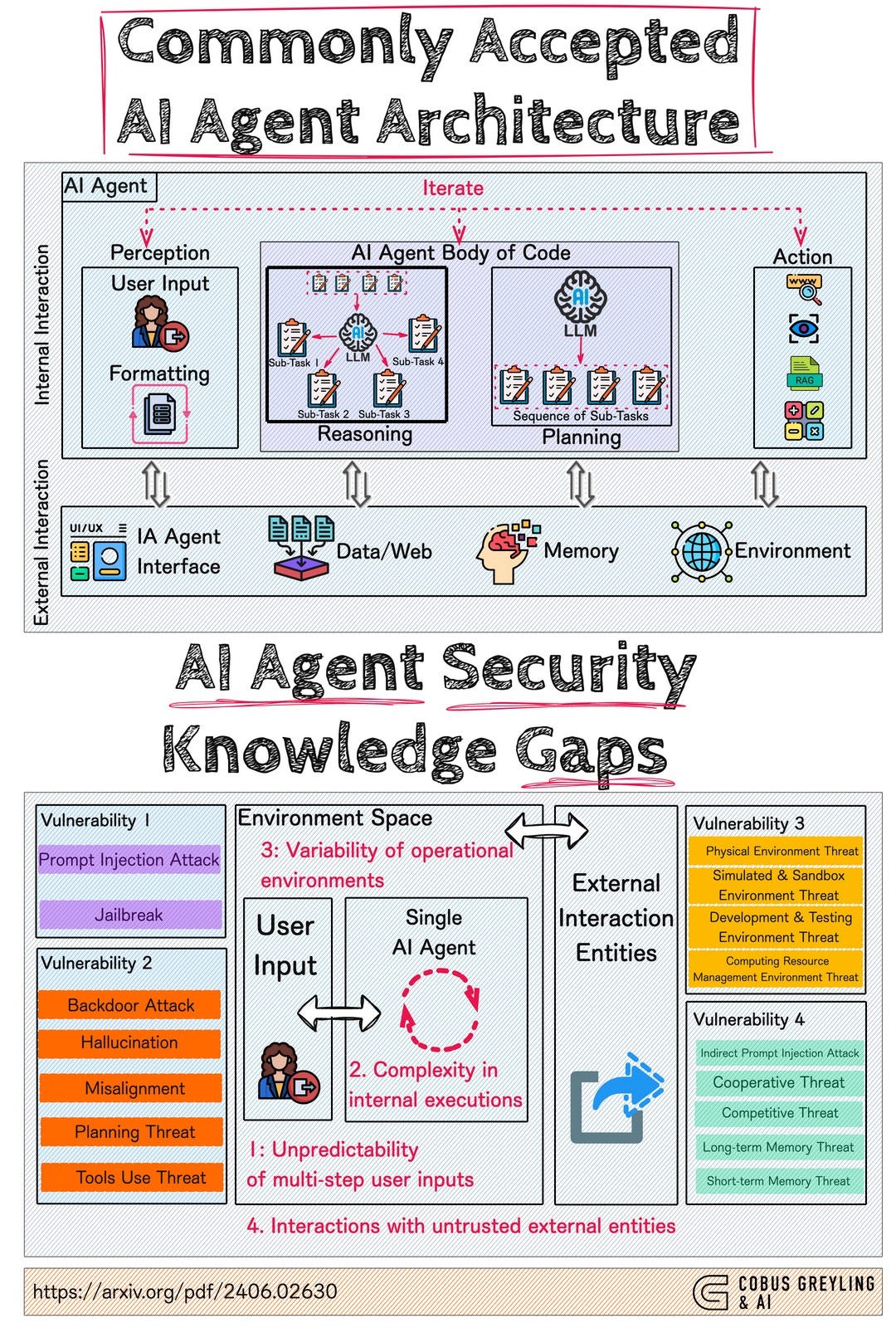
Your AI agents are starting to touch real systems, real data, and real customer workflows. That makes AI agent security a board-level problem, not a side project for the IT team. TechCrunch reported that Reco raised $55 million as startups race to secure the new wave of autonomous software agents. The timing makes sense. Companies are testing agents that can read documents, update CRM records, write code, file tickets, and move between SaaS apps. Each new permission creates another place where identity, access, and data controls can fail. The hard part is that agents do not behave like old software accounts. They act on behalf of people, switch context fast, and may chain tools together in ways your security stack was never built to watch.
Why this funding matters
- Reco’s $55 million round, reported by TechCrunch, shows that investors see agent risk as a near-term enterprise security budget item.
- AI agents blur the line between identity security, SaaS security, data loss prevention, and workflow monitoring.
- The market is getting packed, which means buyers need sharper filters before they add another dashboard.
- Security teams should focus on permissions, provenance, audit trails, and real-time controls before agents scale.
AI agent security is becoming its own buying category
For years, companies treated SaaS security as a mix of app permissions, single sign-on, and occasional access reviews. Agents strain that model. A sales agent might read email, update Salesforce, summarize a call, and draft a contract in one flow. That is useful. It is also a lot of trust to place in a system that can misread context or inherit sloppy permissions.
Reco sits in a group of vendors trying to answer a direct question: who, or what, is touching your business data, and should that action be allowed? The answer used to be tied to a human identity. Now it may involve a person, an AI agent, an API token, a browser extension, and a connected SaaS app.
Agent security is not only about stopping rogue AI. It is about controlling ordinary automation before it causes ordinary damage at machine speed.
That distinction matters. Most enterprise incidents are not cinematic. They come from over-permissioned accounts, exposed files, stale integrations, and unclear ownership. Agents can make those old problems move faster.
What Reco’s $55M says about AI agent security demand
Funding rounds do not prove product-market fit by themselves. I have covered enough security booms to know that capital often arrives before customers know what they are buying. Still, this round points to a real budget shift. CISOs are being asked to approve agent rollouts while also explaining how they will contain data leakage, privilege creep, and unapproved actions.
Look at the pressure points. Microsoft, Google, Salesforce, ServiceNow, OpenAI, Anthropic, and a long list of smaller vendors are pushing agentic features into daily work. Enterprises are not adopting one agent. They are adopting dozens, often through tools they already pay for. That makes the control layer more valuable.
The best analogy is a busy restaurant kitchen. One chef with a knife is easy to supervise. Twenty line cooks, delivery drivers, suppliers, and ticket printers create a different control problem. You need roles, timing, labels, and someone watching the pass. AI agents create a similar coordination problem inside software.
Where AI agent security can go wrong
Here is the thing. The risk is not that every agent becomes malicious. The bigger risk is that companies give agents broad access because it makes demos work better. Then the demo becomes a workflow, and the workflow becomes production.
What can break first?
- Overbroad permissions: An agent gets the same access as an executive or admin because granular setup takes time.
- Weak audit trails: A tool changes a record, but the log does not show whether a person, agent, or integration triggered it.
- Data sprawl: Agents pull sensitive files into prompts, summaries, tickets, or chat threads where existing controls are thin.
- Tool chaining: One agent calls another service, which calls another app, and the security team loses the full path.
- Shadow agents: Employees connect personal or team-level AI tools before central IT has a review process.
That last one is already familiar. Shadow IT did not disappear. It got a chat box and a nicer interface.
How buyers should judge crowded AI agent security startups
Reco is not alone. The market now includes startups focused on agent identity, runtime monitoring, prompt and data controls, SaaS posture management, browser security, and model governance. Some will grow into durable platforms. Some will get folded into larger security suites. A few will be features, not companies.
So how do you separate signal from pitch deck noise?
- Ask what the product sees: Does it monitor identities, SaaS events, browser actions, API calls, prompts, data movement, or all of the above?
- Check enforcement depth: Can it block risky actions in real time, or does it only send alerts after the fact?
- Demand clean attribution: You need to know whether a human, AI agent, service account, or third-party app took the action.
- Test messy workflows: Use real business cases, not polished vendor demos. Include Slack, Google Workspace, Microsoft 365, Salesforce, GitHub, and ticketing tools if those matter to your team.
- Review integration cost: A security tool that takes six months to tune may miss the window where agents spread fastest.
One practical test: ask the vendor to show the full story of a single sensitive document. Who accessed it? Which agent summarized it? Where did the output go? Who can see that output now? If the answer is fuzzy, the control model is not ready.
AI agent security needs identity, context, and restraint
Security teams should not treat agents as magic users. They should treat them as high-speed delegated identities. That means least privilege, scoped tokens, approval gates, data classification, and logs that a human investigator can read under pressure.
Simple controls still matter.
- Give each agent a named identity instead of sharing human credentials.
- Limit agents to the minimum apps and data needed for the task.
- Set expiration dates for experimental agent access.
- Require approval for actions that change money, customer status, legal terms, or production code.
- Log inputs, tool calls, outputs, and downstream data movement where policy allows.
Honestly, this is where many companies will stumble. They will debate model risk while ignoring basic access hygiene. A well-governed average model can be safer than a stronger model wired into every system with admin rights.
The crowded market is good for buyers, if they stay skeptical
Competition can help. It pushes vendors to prove value, publish clearer architectures, and support the systems enterprises already run. But crowded security categories also create fatigue. Every startup claims to be the missing layer. Every platform says it already has the answer.
Do you need a dedicated AI agent security tool right now? If your company is only experimenting in sandboxes, maybe not. If agents can touch customer data, source code, finance systems, HR records, or regulated workflows, waiting is harder to defend.
My take: the winners in this category will not be the loudest AI brands. They will be the vendors that map agent activity to business risk in plain language. CISOs do not need another blinking console. They need to know which agent can do damage, which control stops it, and which executive owns the risk.
What to do before your next agent rollout
Start with an inventory. List every AI agent, copilot, automation, plugin, and connected app that can act on company data. Then rank them by access level and business impact. This is dull work, but it beats learning about an agent through an incident report.
Reco’s funding is a useful marker, but the larger message is sharper: agent adoption is moving faster than most permission models. Before you buy another tool, decide what actions agents should never take without human approval. That policy will tell you which security products deserve a serious look next.

.png)