AI Agents Put Meta and OpenAI on a Collision Course
You have probably heard the pitch for AI agents. They will book trips, answer customers, shop for you, file reports, and sit between you and the messy web. The problem is simpler than the pitch. If these systems become the main way people get things done online, the company that controls them controls attention, commerce, and a large slice of software spending.
That is why the fight described by The Verge matters. Meta and OpenAI are not chasing the same product shape, but they are chasing the same prize. Meta has the social graph, messaging apps, ads, and open model strategy. OpenAI has ChatGPT, paid users, developer pull, and a stronger public identity around useful AI. Who wins? The answer depends less on demos and more on trust, distribution, and boring reliability.
What matters right now
- AI agents are shifting from chat to action. The next contest is about systems that can complete tasks, not only answer prompts.
- Meta has distribution that few companies can match. Facebook, Instagram, WhatsApp, and Messenger give it a direct path to billions of users.
- OpenAI has the stronger agent brand. ChatGPT trained users to expect a general-purpose assistant, and products like Operator and Deep Research push that idea forward.
- Reliability is the bottleneck. Agents that make purchases, send messages, or change business data need guardrails users can understand.
Why AI agents are the next Meta OpenAI fight
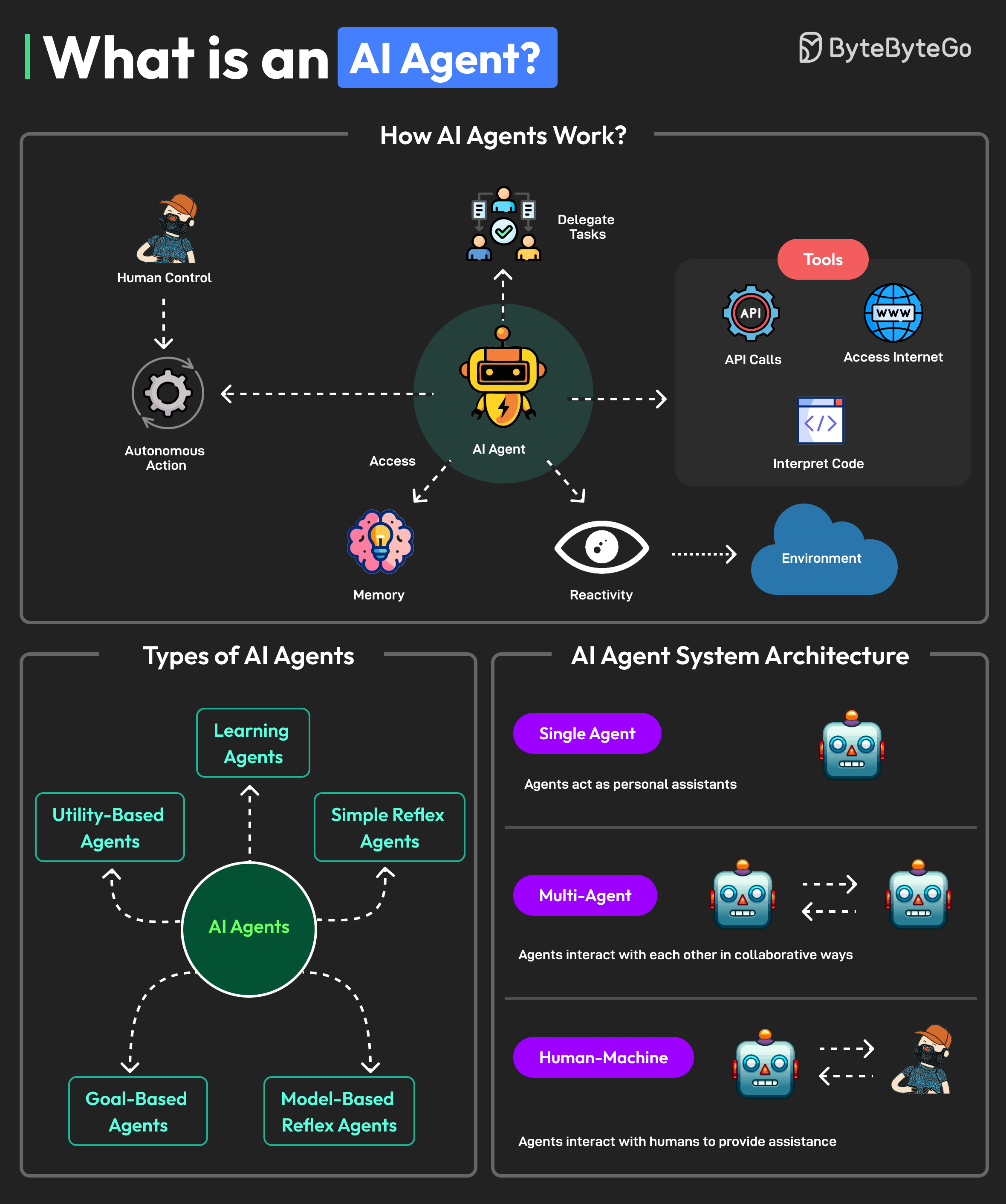
An AI agent is not just a chatbot with a nicer name. The useful version can plan steps, call tools, read pages, compare options, and act with your permission. That puts it closer to a sous-chef than a cookbook. It should prep the ingredients, check the timing, and tell you before it burns dinner.
The Verge frames this as a looming battle between Meta and OpenAI, and that framing is right. Search, social, and apps all trained users to jump between services. Agents try to sit above those services. Why open five apps if one assistant can do the errand?
“The company that owns the trusted agent layer could become the new front door to the internet.”
Look, the hype is thick here. I have covered enough platform shifts to know that the first wave usually overpromises. But the strategic logic is hard to ignore. If agents become a daily habit, they could reshape advertising, customer support, app discovery, and enterprise software.
How Meta could push AI agents into daily life
Meta’s edge is not mystery. It owns apps people already open without thinking. That matters because new behavior usually needs a familiar doorway, and Meta has several of them sitting on home screens.
Imagine an agent inside WhatsApp that helps a local shop answer buyers, create a catalog, and follow up after a sale. Or an Instagram agent that helps a creator edit captions, sort brand messages, and test post ideas. These are not science fiction use cases. They fit Meta’s existing mix of messaging, small business tools, creators, and ads.
Meta also has Llama, its family of open models, which gives it a different developer pitch from OpenAI. Open models can help Meta win goodwill with builders who want more control over cost, hosting, and customization. That does not mean every Llama-based agent will be good. It does mean Meta can seed the market in many places at once.
The catch is trust. Meta has spent years asking users to believe it can handle personal data responsibly. Agents raise the stakes because they may read messages, infer intent, and act across services. A bad recommendation is annoying. A bad agent action can cost money, expose private data, or damage a customer relationship.
How OpenAI is turning AI agents into a product category
OpenAI has a cleaner story. ChatGPT is already where many people go when they want help thinking, writing, coding, or summarizing. Products such as Operator and Deep Research show the company moving from answering questions to carrying out multi-step work.
This is OpenAI’s advantage. It does not need to convince users that AI can be a general assistant. Millions already treat ChatGPT that way. The harder job is proving that an agent can act safely enough to earn access to calendars, browsers, files, payments, and business systems.
OpenAI also has a strong developer ecosystem through its API and model lineup. If agents become the next software interface, developers will want models that can follow instructions, call tools, handle edge cases, and explain failures. That is where OpenAI has been strongest in public perception, even as Google, Anthropic, Meta, and others close gaps.
But OpenAI has its own weakness. It does not own the same consumer surfaces as Meta. ChatGPT is popular, yet it is still a destination users choose to visit. Meta can weave agents into places where conversations, shopping, and entertainment already happen.
AI agents still have a trust problem
Here is the thing. The agent demo is easy to love, especially when it books a restaurant or pulls research into a neat brief. Real life is messier. Websites change, logins fail, prices shift, and people often give vague instructions.
That gap is where the money will be made or lost.
What happens when an agent books the wrong flight, messages the wrong client, or buys the wrong size? Users will expect an audit trail, easy undo options, and clear permission prompts. Businesses will want logs, policy controls, and ways to block risky actions before they happen.
The best agents will feel less like magic and more like dependable staff. They will ask before taking expensive actions. They will show sources when research matters. And they will admit uncertainty instead of bluffing (a habit the industry still has not fully fixed).
What to watch as AI agents move from demos to defaults
If you are a user, founder, marketer, or IT buyer, do not judge this race by launch videos alone. Watch the dull signals. They tell you which products are ready for real work and which ones still belong in a lab.
- Permission design: Can you choose what the agent may read, change, send, or buy?
- Memory controls: Can you inspect, edit, or delete what the agent knows about you?
- Tool access: Does it connect to email, browsers, docs, payments, CRM software, or ad accounts without brittle workarounds?
- Error handling: Does it recover from failed logins, missing data, and conflicting instructions?
- Business model: Is the agent serving you, an advertiser, a platform owner, or all three?
That last point may be the most uncomfortable one. Meta’s business runs on ads and engagement. OpenAI’s runs on subscriptions, enterprise deals, and API usage. Their incentives will shape how their agents recommend products, prioritize tasks, and decide what counts as a good outcome.
Why AI agents could change advertising and software
If agents become common, advertising may shift from persuading humans on a feed to persuading software acting for humans. That sounds odd, but it follows the logic of the product. If your agent shops for running shoes, brands will want to appear in its comparison set.
Meta is built for that fight. It already connects advertisers with intent signals across its apps, and AI tools could make ad creation, targeting, and customer follow-up faster. OpenAI, meanwhile, has to decide how commercial its assistants should become without making ChatGPT feel like a sales channel.
Software could change too. Many business apps assume workers will click through dashboards and forms. Agents flip that pattern. You ask for an outcome, then the system touches the apps for you. In theory, anyway.
Honestly, that is where I would push back on the loudest forecasts. Companies do not replace workflows overnight. Compliance, security reviews, procurement, and employee habits move slowly. The winning agent in business may be the one that handles boring tasks with boring accuracy.
The next move belongs to users
Meta and OpenAI both want to define AI agents before the market hardens. Meta has the pipes. OpenAI has the mindshare. Neither has yet solved the full trust equation at consumer scale.
Your practical move is simple. Try agents on low-risk tasks first, such as research summaries, draft replies, travel comparisons, or internal knowledge searches. Hold off on giving broad permissions until the product shows clear logs, strong controls, and a reliable way to undo mistakes.
The big question is not whether AI agents will arrive. They are already here. The question is which company earns the right to act on your behalf, and how much of your digital life you are willing to hand over for the convenience.