AI and Medical Bills: Why Costs Are Rising
AI is showing up in more parts of health care, and your medical bills may be one of the first places you feel it. The concern is not that a robot is writing your invoice. The problem is more ordinary and more frustrating. Hospitals, insurers, and billing vendors are using automated tools to sort claims, flag services, and push payment decisions faster than a human team usually would.
That matters now because families are already dealing with confusing charges, denied claims, and bills that do not match what they expected. Transplant patients feel it hard. Their care is complex, expensive, and full of separate charges from different providers. If an algorithm helps decide what gets paid, what gets reviewed, or what gets delayed, your out-of-pocket cost can change fast. And yes, that can happen even when you did everything right.
What should you watch for, and how do you push back when a bill looks wrong?
What stands out about AI and medical bills
- Automated systems can speed up claim reviews. That can also speed up denials or payment delays.
- Complex cases are more exposed. Transplant care often involves many claims, many codes, and many chances for error.
- Billing disputes may get harder to untangle. You may have to challenge both the human decision and the software behind it.
- Earlier review is now essential. Checking estimates before treatment matters more when systems are screening claims at scale.
- Documentation is your strongest tool. The right records can stop a bad charge from sticking.
How AI changes the billing pipeline
Hospitals and insurers use AI for pattern recognition, code sorting, prior authorization, and fraud detection. Some of that is sensible. A system can scan huge piles of claims faster than a person can.
But speed is the tradeoff. If an automated tool flags a service as unusual, the claim may be slowed, bounced, or denied before anyone looks closely at the medical need. That is where the bill starts to climb, because a delay today can turn into a collection notice tomorrow.
AI does not need to make a dramatic mistake to hurt you. A small coding error, repeated at scale, can create a very real financial mess.
Why transplant patients are hit so hard
Transplant care is a billing maze. You may see charges from the hospital, surgeon, anesthesiologist, lab, imaging center, pharmacy, and follow-up specialists. One missed authorization or one mismatched code can break the chain.
That is why transplant patients are vulnerable when billing systems become more automated. The process is a lot like building a house from parts delivered by different crews. If one crew follows the wrong blueprint, the whole structure gets shaky. And unlike a house, you may not see the mistake until the invoice arrives.
What you should check first
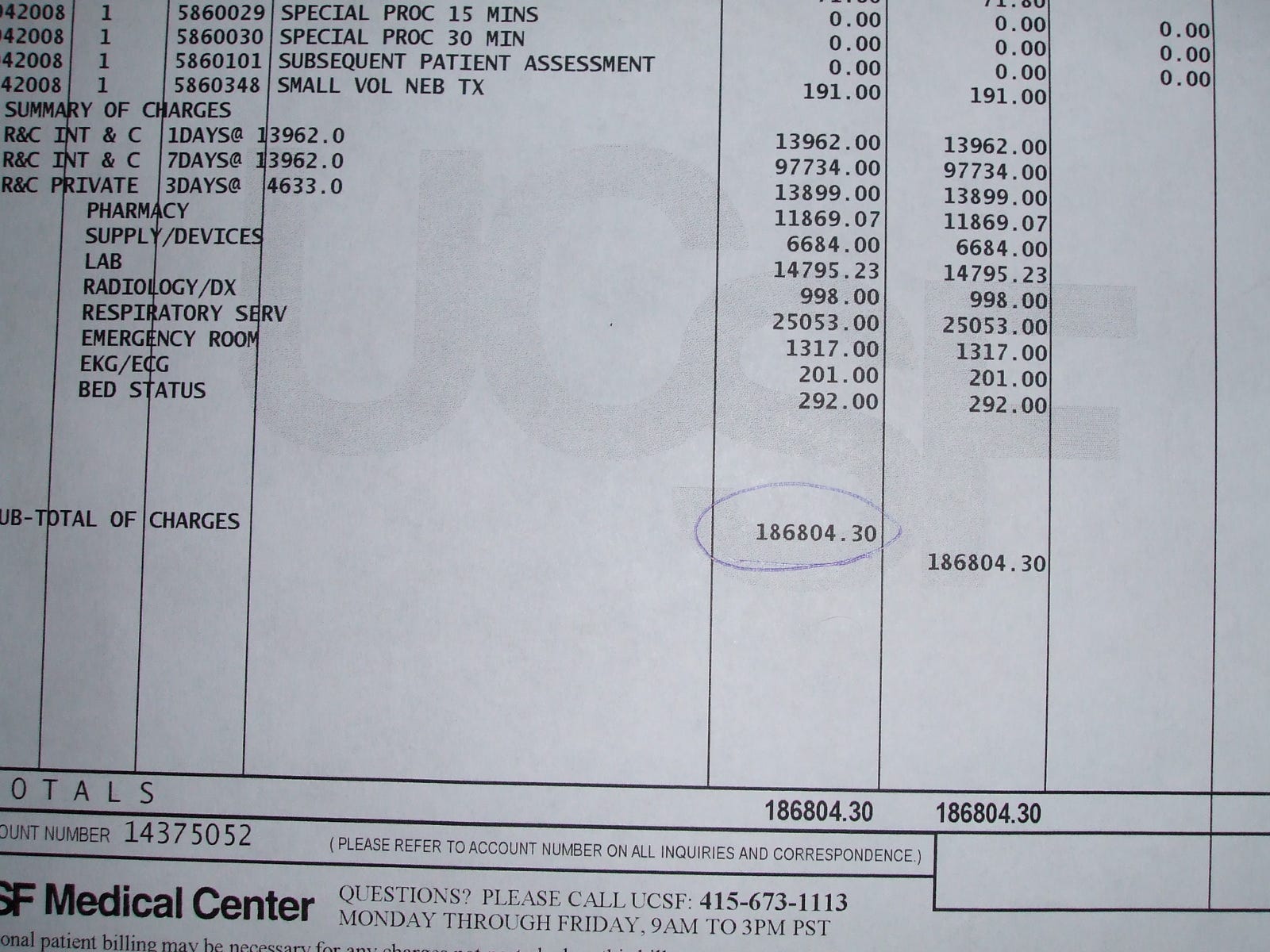
- Itemized bills. Do not accept a summary bill if the charges look off.
- Procedure codes. Compare the code on the bill with the service you actually received.
- Prior authorization records. Keep approval numbers, dates, and names.
- Explanation of Benefits. Match the insurer’s payment or denial reason against the provider’s bill.
- Appeal deadlines. These can be short. Missing one can cost you leverage.
Where the pressure lands on families
Families often become unpaid claim managers. You spend hours on hold, file appeals, and repeat the same story to different departments. AI can make that worse if it removes the human pause that sometimes catches a billing mistake.
Honestly, that is the part people miss. The issue is not only cost. It is time, stress, and the feeling that no one is reading the file as a whole. Who wants to fight a machine that does not care whether your child, spouse, or parent needs care now?
Still, you are not powerless. The smart move is to treat every major charge as a document to verify, not a demand to pay on sight.
How to protect yourself from bad AI-driven billing
Start before treatment if you can. Ask for a written estimate, confirm network status, and request prior authorization in writing. If the case is complex, ask who is coordinating billing and get a direct contact.
After treatment, move quickly. Compare the insurer’s explanation with the provider bill line by line. If a charge looks wrong, ask for the diagnosis and procedure codes used, then request a corrected claim if needed. Keep every email, fax, and letter. Old-school paperwork still wins fights.
Practical rule: if a charge is large, vague, or repeated, do not pay it until you understand the code behind it.
What this means for the next wave of health care billing
AI in billing is not going away. The real question is whether hospitals and insurers will pair it with stronger oversight. Without that, the system rewards fast denials and weak explanations.
That is a bad deal for patients. The more automated billing becomes, the more you need plain-language statements, human review paths, and fast appeals. If health care wants the efficiency gains, it has to absorb the accountability too.
The next test is simple: will providers use AI to clean up billing, or to shift more of the burden onto patients? That answer will show up in your mailbox long before it shows up in a policy paper.
What to do before your next bill arrives
Ask for a cost estimate. Save every authorization. Photograph paper forms. And if you receive a bill that looks inflated or duplicated, push back right away.
AI is already inside the billing stack. Your best defense is still human attention, your own records, and a fast response when the numbers do not add up.