AI-Authored Webpages Surge After ChatGPT, Study Finds
Publishers, marketers, and search teams now face a blunt problem. The web is filling up with AI-generated text, and the line between human reporting and machine output is getting harder to see. That matters because your readers, your rankings, and your brand all depend on trust. The latest AI-authored webpages study suggests this shift is not a side effect. It is happening at scale.
Look, this is not a debate about whether AI should write. It already does. The real question is what happens when a third of new pages start to look machine-made, especially if they are thin, repetitive, or built for search first and people second. If you publish content, you cannot ignore that change. You need to know how to spot it, how to respond, and where the real damage shows up.
- AI-authored webpages are now common enough to shape the open web.
- Search quality and reader trust take the first hit when pages blur together.
- Detection is imperfect, so process matters more than guessing.
- Human editing still separates useful content from bulk output.
What the AI-authored webpages study is really saying
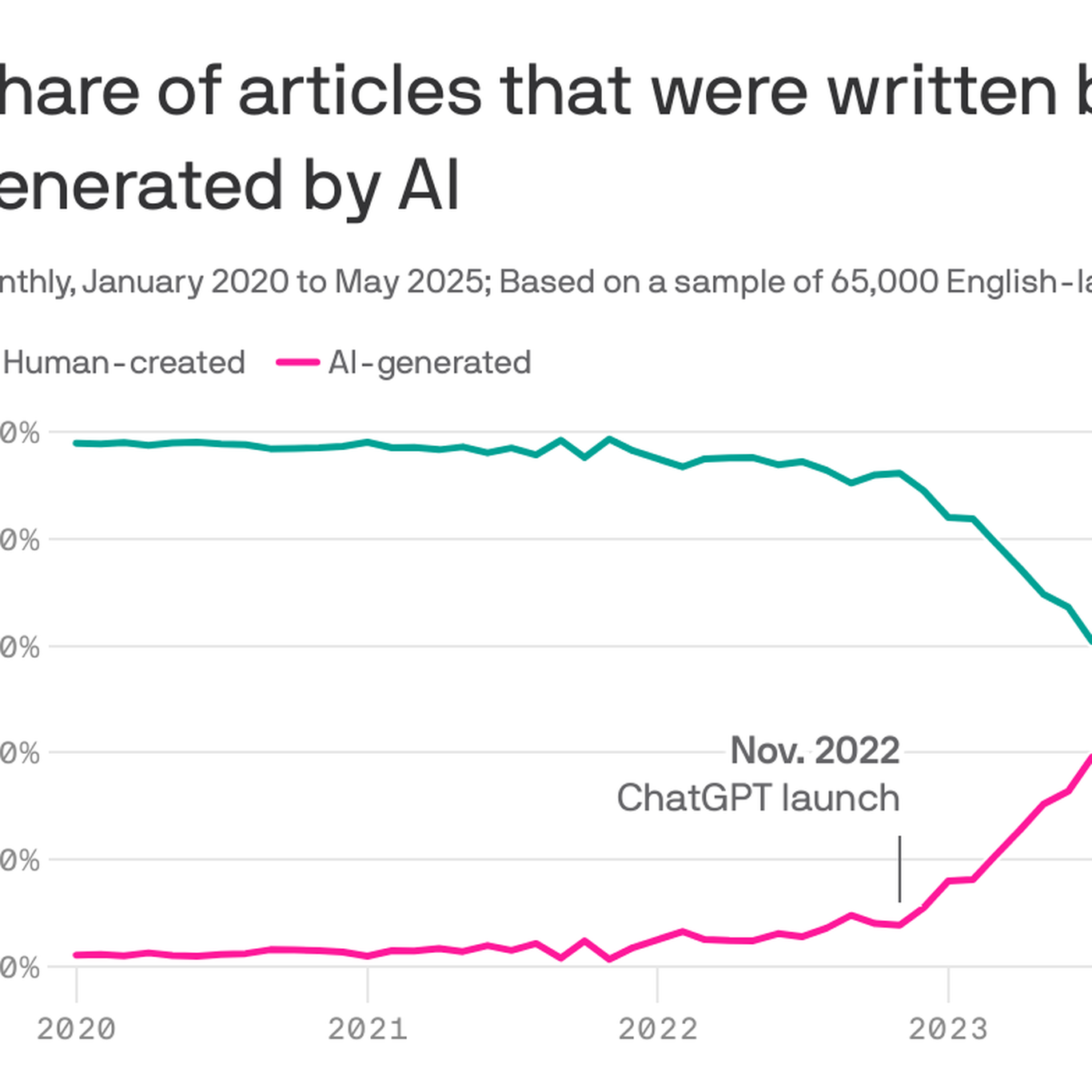
The headline number is hard to ignore. Since ChatGPT launched, a large share of newly published pages appear to carry signs of AI authorship. That does not mean every one of those pages is bad. It does mean the web is changing fast, and fast often means messy.
Studies like this usually rely on pattern detection, language signals, and sampling methods. So no, they are not perfect lie detectors. But they do point to a seismic shift in publishing behavior. The incentives are obvious. AI lets teams produce more text, more quickly, and at lower cost. That is the business case. The quality case is much harder.
If you can mass-produce pages faster than you can review them, you will eventually publish junk. That is not a model. It is a cleanup bill.
Why AI-authored webpages matter for search and trust
Search engines want useful pages. Readers want answers they can believe. AI-authored webpages can serve both goals when humans set the brief, check the facts, and rewrite the copy with care. But a lot of sites stop halfway. They generate text, paste it live, and call it content strategy. That is where things go sideways.
Think of it like building a house with prefabricated parts. The panels are not the problem. The problem is whether anyone checks the frame, the wiring, and the foundation. Content works the same way. A machine can draft the walls. You still need someone to make sure the structure holds.
Search systems also react to patterns at scale. If your site publishes endless near-duplicate pages, shallow summaries, or keyword-heavy prose, you invite filtering, lower engagement, and weaker return visits. And once readers notice the sameness, they leave faster. Why would they stay?
How to spot AI-authored webpages on your own site
You do not need a detector tool to catch the obvious cases. Start with the page itself. If it reads like a neat stack of generalities, with no specific reporting, named sources, or lived detail, that is a red flag.
- Check the sourcing. Real pages cite people, documents, datasets, or direct experience.
- Look for repetitive structure. Many AI drafts repeat sentence shapes and transition words.
- Scan for false precision. Cleanly phrased claims can still be wrong.
- Test for freshness. Does the page add anything only your team could say?
- Read it out loud. Awkward rhythm and bland phrasing stand out fast.
Human editors should also look for missing context. AI-generated copy often explains what something is, but not why it matters right now. That gap is a tell. It is the difference between a weather report and a forecast. One describes the sky. The other helps you plan.
What publishers should do about AI-authored webpages
The answer is not a ban. That would be silly. The answer is process. Use AI where it helps with outlines, summaries, metadata, and first drafts. Then force a human pass before anything goes live. That pass should check accuracy, voice, source quality, and originality.
Here is the practical version:
- Set a disclosure rule for content that uses substantial AI assistance.
- Require editorial review before publication, not after.
- Use subject-matter editors for claims, stats, and product details.
- Prune low-value pages that exist only to fill a content calendar.
- Measure engagement quality, not just traffic volume.
One more thing. Teams should stop pretending that volume is the same as value. It is not. A hundred thin pages can be worse than ten strong ones, especially if the thin ones crowd out the good work in search results and site architecture.
What this means for readers, search, and the next wave
Readers will keep getting better at sensing when a page has no pulse. Search systems will also keep getting stricter about low-value content. The companies that win will not be the ones that use the least AI. They will be the ones that use it with judgment.
That is the awkward truth behind the AI-authored webpages boom. The web is not becoming more automated in a clean, elegant way. It is becoming more crowded, more uniform, and easier to flood. The sites that stand out will be the ones willing to slow down, add reporting, and publish fewer pages with more signal. If your content looks like everyone else’s, why should anyone trust yours tomorrow?