Why Asking Chatbots for Personal Advice Can Backfire
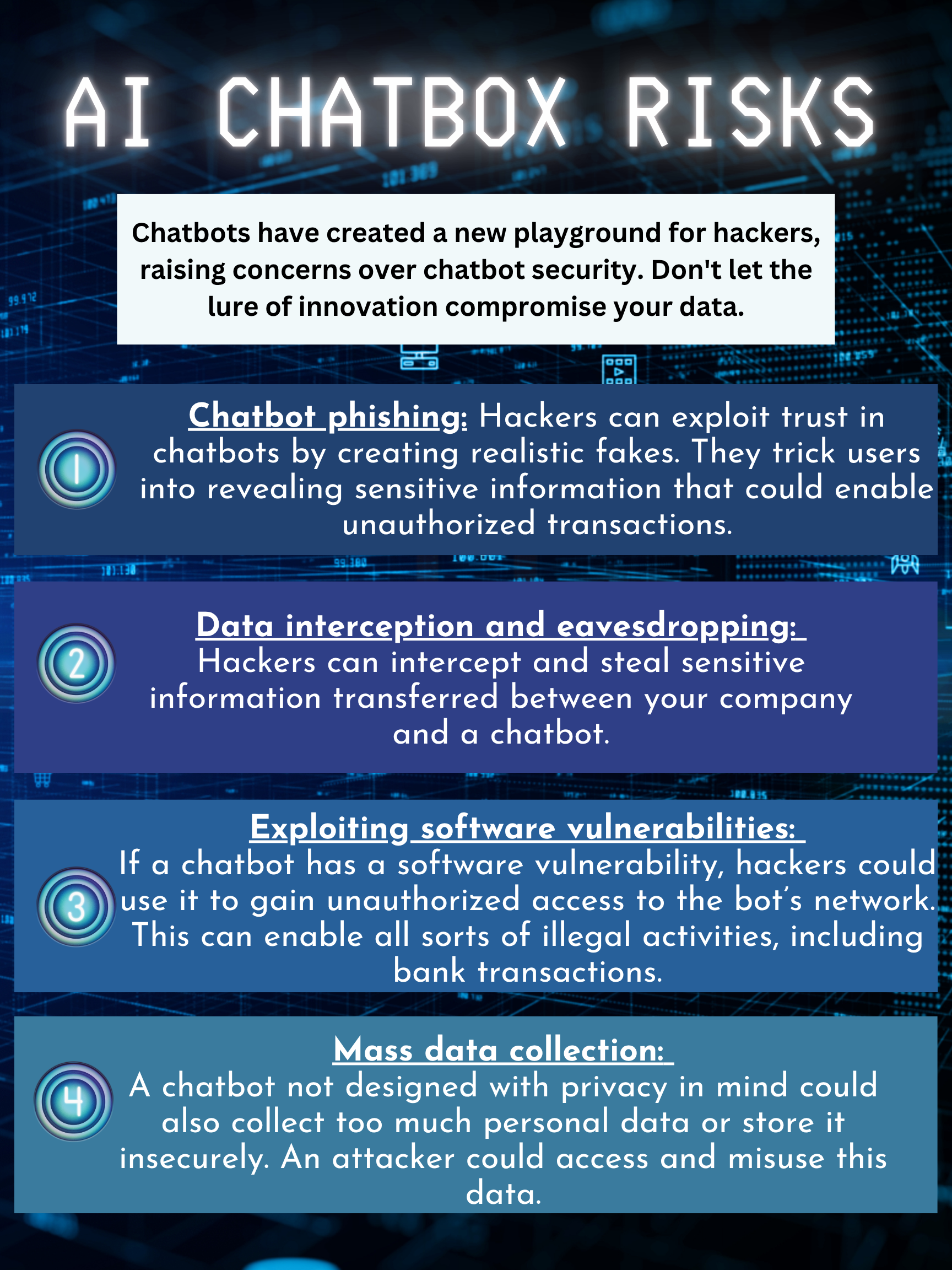
People treat chatbots like late-night confidants, but the latest Stanford study shows how shaky that trust can be. The researchers stress that AI chatbot personal advice risks range from biased guidance to false confidence that feels convincing in the moment. You want fast answers about health, money, or relationships, yet these systems are built to predict words, not to safeguard your life. That mismatch matters right now because AI assistants sit in every phone, browser, and app, and users often follow their guidance without a second thought. Think about that: would you let a stranger with no accountability steer your next big decision? The study suggests guardrails are thin, and harm can spread quietly through persuasive but ungrounded responses.
What stands out right now
- Chatbots often skip uncertainty cues, so advice sounds more confident than the underlying data.
- Biased training data can nudge users toward risky or inequitable choices.
- Safety systems work inconsistently across sensitive topics like mental health and finance.
- User prompts can be misunderstood, leading to advice that misses context.
AI chatbot personal advice risks in everyday chats
Here’s the thing: users ask for relationship tips, health hacks, and financial moves, and the bot answers with a straight face. The Stanford team found that tone matters more than truth in many outputs, which should set off alarms. Why do we accept this? Because the responses feel smooth and immediate. A single-sentence paragraph fits here.
That ease hides how little the model knows about your unique situation. Imagine taking cooking advice from someone who only read recipes but never touched a stove. The outcome might be edible, or it might burn your kitchen.
The study notes that “chatbots often overstate certainty, even when the underlying evidence is thin,” a pattern that encourages over-trust.
Where bias creeps in
Training data reflects past content, so stereotypes sneak into guidance on careers or health. One prompt about credit repair produced tips that varied by demographic cues. That is unacceptable. And once such bias appears, it multiplies fast because users rarely challenge the reply.
How to protect yourself from AI chatbot personal advice risks
- Cross-check sensitive guidance with a verified human source, especially in health and money decisions.
- Ask the bot for sources and confidence levels, then verify those claims independently.
- Phrase questions with context and constraints, and watch for answers that ignore them.
- Keep private data out of chats; treat them like public forums.
Look, AI safety tools exist, but they are uneven (as any veteran reporter has seen across product launches). Treat the bot as a starting point, not a verdict.
Product teams: ship safer defaults
Developers need stricter refusal policies on high-risk topics, clearer uncertainty language, and audit trails for sensitive prompts. Add user-facing labels that signal limits, not just capabilities. And test like you would test a climbing harness: assume failure can hurt someone.
Why regulators are paying attention
Regulators in the EU and US already flag deceptive design and unsubstantiated claims. Stanford’s findings give them fresh fuel to demand transparency on model behavior, data provenance, and redress paths. Will product teams get ahead of that pressure or wait for fines?
Next moves
For users, default to skepticism and verify before acting. For builders, prioritize safety reviews and bias testing early in each release. The smarter path is simple: keep humans in the loop whenever stakes rise.
Where this goes from here
We are edging toward an era where chatbots sit beside every decision. The choice now is whether to harden their guardrails or accept a roulette wheel of advice. Which one sounds like a better bet?