AI Compute Pricing: How Wall Street Is Valuing GPU Time
You may think of AI as software, but the real bottleneck is compute. That matters because AI compute pricing is turning scarce GPU time into something investors, CFOs, and infrastructure buyers can actually measure, trade, and compare. If you are spending millions on model training or inference, guessing at the cost is a bad habit now. The market is getting too tight for that. A startup helping Wall Street price AI compute is tapping into a simple truth. GPU capacity is no longer a vague ops line item. It is an asset with supply, demand, and a moving market price. Why should you care? Because the way compute gets priced will shape which AI products survive, which clouds win, and which companies burn cash fastest.
What AI compute pricing is telling the market
- GPU time is becoming a financial object. Buyers want benchmarks, not vendor promises.
- Cloud bills do not tell the full story. Spot pricing, reserved capacity, and scarcity all distort the real cost.
- Wall Street wants a reference price. That helps funds, lenders, and operators value compute-heavy businesses.
- Inference is the new pressure point. Training gets attention, but serving models at scale can eat even more spend.
The shift is easy to miss if you only follow model launches. The money story sits underneath. A bank, hedge fund, or infra team wants to know whether a batch of A100s or H100s costs a certain amount today, next week, or under load. That is not a theoretical exercise. It affects margin, procurement, and risk.
“The market is not pricing AI as code anymore. It is pricing access to chips, power, and queue position.”
Why AI compute pricing matters now
Compute has a supply problem. Nvidia GPUs are still the default, and demand keeps rising as teams train larger models and push more inference into production. That makes pricing messy. Cloud rates, private deals, and secondary market access all tell different stories, and none of them fully captures the real cost of getting work done.
Here is the thing. If you run AI infrastructure like a sports team manages roster slots, every GPU hour is a lineup decision. Use it on training, and you may delay product improvements. Use it on inference, and you may slow the next model. That tradeoff is now a balance sheet issue.
How AI compute pricing works in practice
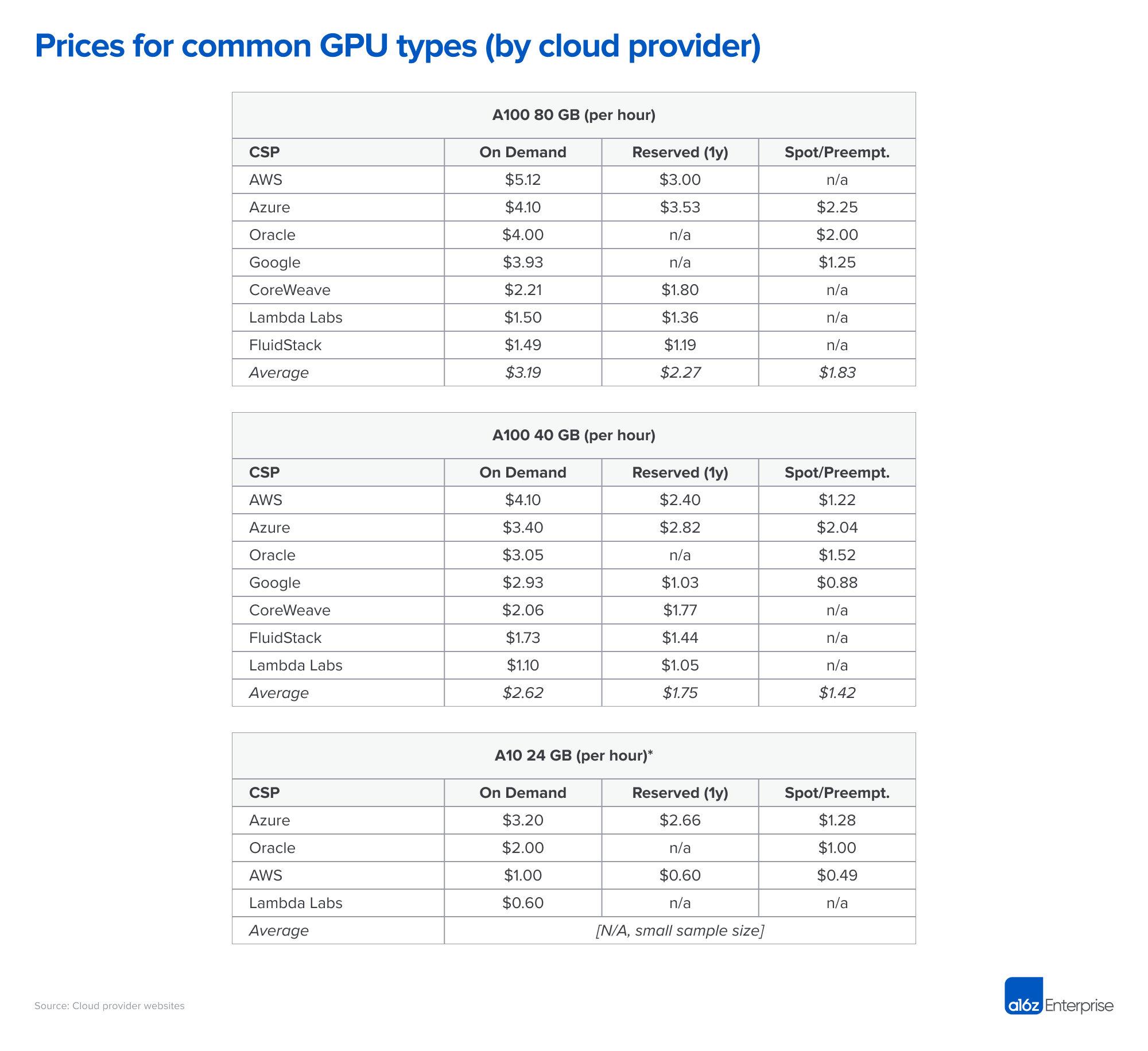
There is no single global sticker price. Instead, the market layers several pricing signals on top of each other.
- List price. This is the posted rate from cloud providers or GPU vendors.
- Contract price. Large buyers often get negotiated rates tied to volume and term length.
- Spot or on-demand price. Short-term capacity can move fast when demand spikes.
- Effective price. This is what you actually pay after idle time, retries, networking, storage, and ops overhead.
That last one is the one people forget. A cheap GPU is not cheap if jobs fail, queues back up, or your team wastes time hunting capacity. The real cost is closer to a restaurant tab than a grocery shelf tag. You pay for the main dish, yes, but the side orders and service charges matter too.
What Wall Street is trying to model
Investors are not just trying to value chipmakers. They want to understand the economics of the full stack. That includes cloud providers, data center operators, AI model vendors, and startups that burn through inference at a brutal rate.
Better pricing data helps answer a few blunt questions. Can this company keep gross margins intact once usage scales? Is this cloud contract actually favorable? Does a model business depend on temporary chip scarcity to look healthy? Those are not academic questions. They decide who gets funded and who gets squeezed.
AI compute pricing and the risk of hype
Look, the market loves a clean narrative, and compute pricing is fertile ground for nonsense. Some people talk as if every GPU hour is identical. It is not. Location, power cost, cooling, utilization, and software stack all change the economics. A rack in one region is not the same as a rack in another.
The smartest buyers are treating compute like procurement, not folklore. They compare providers, run workloads in more than one place, and track unit economics by use case. That discipline matters more than any headline about model size.
What buyers should watch
- Cluster utilization, not just raw capacity
- Training cost per run
- Inference cost per 1,000 requests or per token
- Energy and cooling charges
- Contract lock-in and exit terms
One more thing. If your team cannot explain its compute spend in plain language, your pricing model is probably weak. That is a governance problem, not just a finance one.
What this means for startups and buyers
Startups will feel this first. A company that prices its product as if compute is stable may get surprised when inference load doubles and margins vanish. You can see why investors care. A startup with strong revenue can still have weak economics if it misreads GPU costs.
Buyers should ask harder questions before signing contracts. What happens if demand spikes? Can you move workloads across providers? Are you paying for reserved capacity you will not use? And if your vendor claims to have a better rate, what is the effective price after everything is counted?
AI compute pricing is becoming a discipline. Not a buzzword. A discipline.
The bigger signal for the AI market
This is bigger than one startup or one trading desk. Pricing compute makes AI feel less like magic and more like industrial infrastructure. That is healthy. Markets work better when scarce things have a visible price, even if the number moves around.
Expect more scrutiny next. The buyers who win will not be the ones who shout loudest about model size. They will be the ones who know exactly what each GPU hour buys them. Who is ready to defend their compute bill when the next round of funding or the next earnings call comes around?
What to do next
Start with your own numbers. Track GPU hours by workload, then compare effective cost across vendors and contract types. If you cannot explain why one workload costs twice as much as another, you have found the problem worth fixing.
And if Wall Street is now putting a price on AI compute, the rest of the market will have to get much better at doing the same.