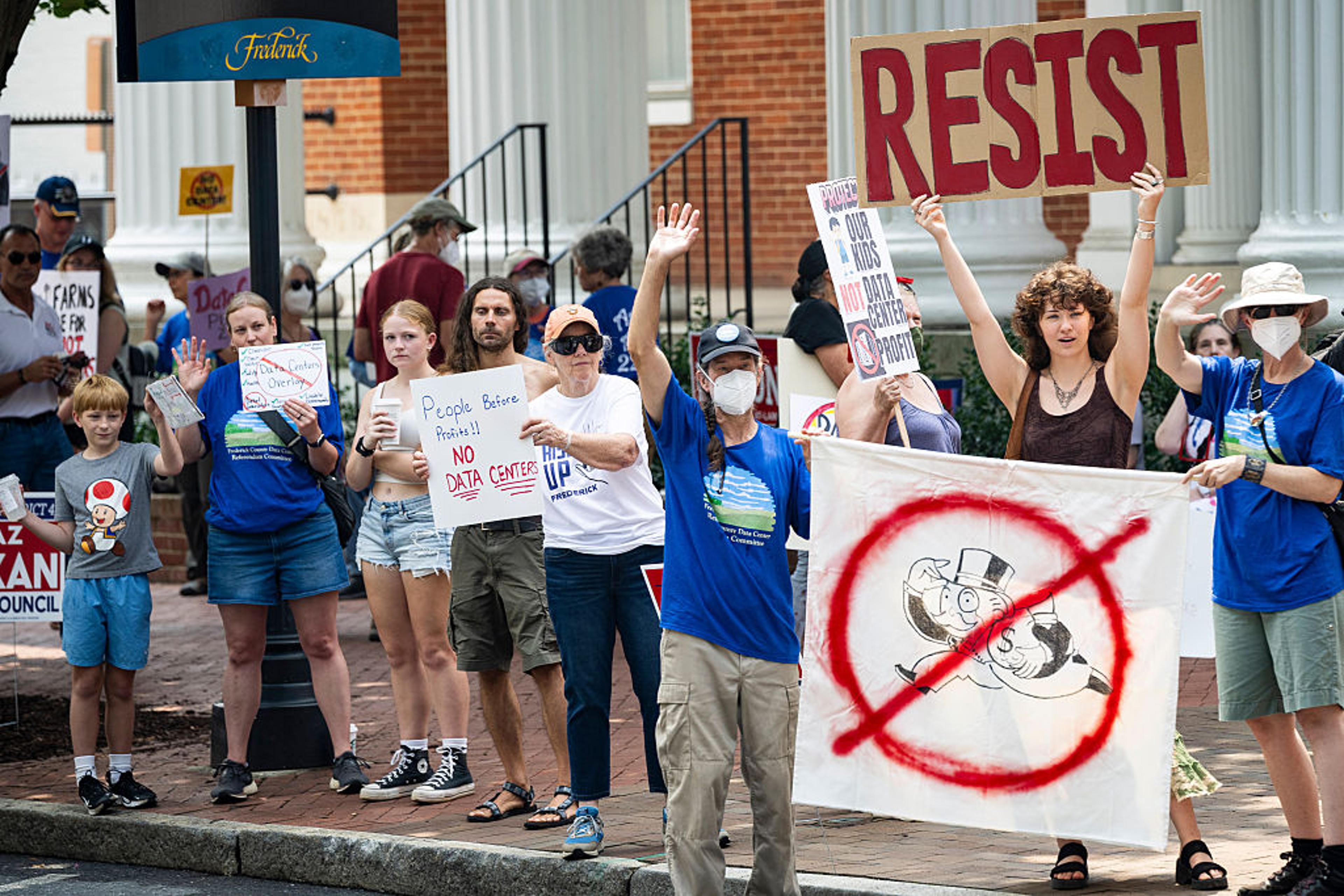
AI Data Center Backlash Is Becoming an Election Issue
AI data centers are no longer just a Silicon Valley infrastructure story. They are showing up on city agendas, in utility hearings, and now in campaign speech. That matters because AI data center backlash is turning abstract concerns into votes, and the pressure is building fast. People are seeing higher power demand, stress on local water systems, and promises of jobs that do not always match the noise, land use, or tax deals on the ground.
Look, this is not a minor nuisance. It is a fight over who pays for the physical cost of AI, and who gets the upside. If you live near a planned data center, or you care about how fast AI grows, you should pay attention. Why? Because once a tech issue becomes an election issue, the rules change. Politicians stop talking like boosters and start talking like referees.
What the AI data center backlash is actually about
- Electricity demand: Large data centers can strain local grids and push utilities to plan new generation and transmission.
- Water use: Cooling systems can increase pressure on municipal and regional water supplies.
- Tax deals: Local governments often offer incentives, which can trigger anger if residents feel the public gets too little in return.
- Neighborhood impact: Noise, land use, traffic, and visual changes can turn a facility into a local flashpoint.
This is not a theory problem. It is a zoning problem, a utility planning problem, and a trust problem. And when those stack up, the backlash gets sticky.
Why the politics are changing now
AI is eating power at the exact moment many communities are already anxious about bills and reliability. That creates a simple political script. Candidates can frame data centers as economic growth, or they can cast them as another case of private profit backed by public subsidy.
That tension is especially sharp in swing states and fast-growing suburbs, where voters care about jobs but also hate feeling steamrolled. Campaigns know this. So do mayors, county boards, and utility regulators. The result is a more skeptical mood, and a much less forgiving public.
Tech leaders still talk about AI infrastructure as if scale alone settles the argument. It does not. People want to know where the power comes from, who bears the cost, and what their community gets back.
How AI data center backlash turns into policy
The first signs usually show up in local hearings. Then come permit delays, tougher disclosure rules, and demands for water and grid impact studies. After that, state lawmakers get involved, especially if one county starts approving deals that neighboring counties think are too generous.
Here is the pattern I keep seeing: once residents ask whether a project needs to be built at all, the debate moves from engineering to politics. That is a very different game. It is like a stadium deal that starts with promises of redevelopment and ends with voters asking why they are footing the maintenance bill.
- Local opposition forms around power, water, and land use.
- Media coverage widens the issue beyond the immediate neighborhood.
- Candidates adopt the issue to signal they are defending residents.
- Lawmakers move to tighten siting, reporting, or tax incentives.
Why AI data center backlash matters for companies
Companies that treat community outreach as a press release are going to lose. The smart move is earlier and more concrete. Show the grid plan. Show the water plan. Show the jobs plan with numbers, not slogans. And if the project depends on a tax abatement, explain the return in plain English.
Transparency is not a nice-to-have here. It is the only way to lower suspicion before it hardens into opposition. A site can look efficient on a spreadsheet and still fail politically if the public thinks the deal is tilted.
What to watch next
Expect more scrutiny from state utility commissions, county boards, and environmental reviewers. Expect candidates to ask whether AI infrastructure is being built faster than the grid can support it. And expect this issue to spread, because the next wave of data centers will not all land in places that welcome them.
Companies still have time to get ahead of this. But the window is shrinking. If the AI boom keeps colliding with local costs, how long before every new data center permit becomes a campaign weapon?
Where the debate goes from here
The smartest policymakers will stop treating AI data centers as invisible infrastructure. They are visible now. They shape bills, water plans, and land use, and voters can feel those effects long before they see a finished building.
That means the next fight is not about whether AI will keep growing. It will. The real question is whether communities get a fair deal while it does. That is the line every candidate will have to draw, and some of them are going to draw it pretty sharply.