AI Deepfake Scams in 2025: How They Worked and How to Avoid Them
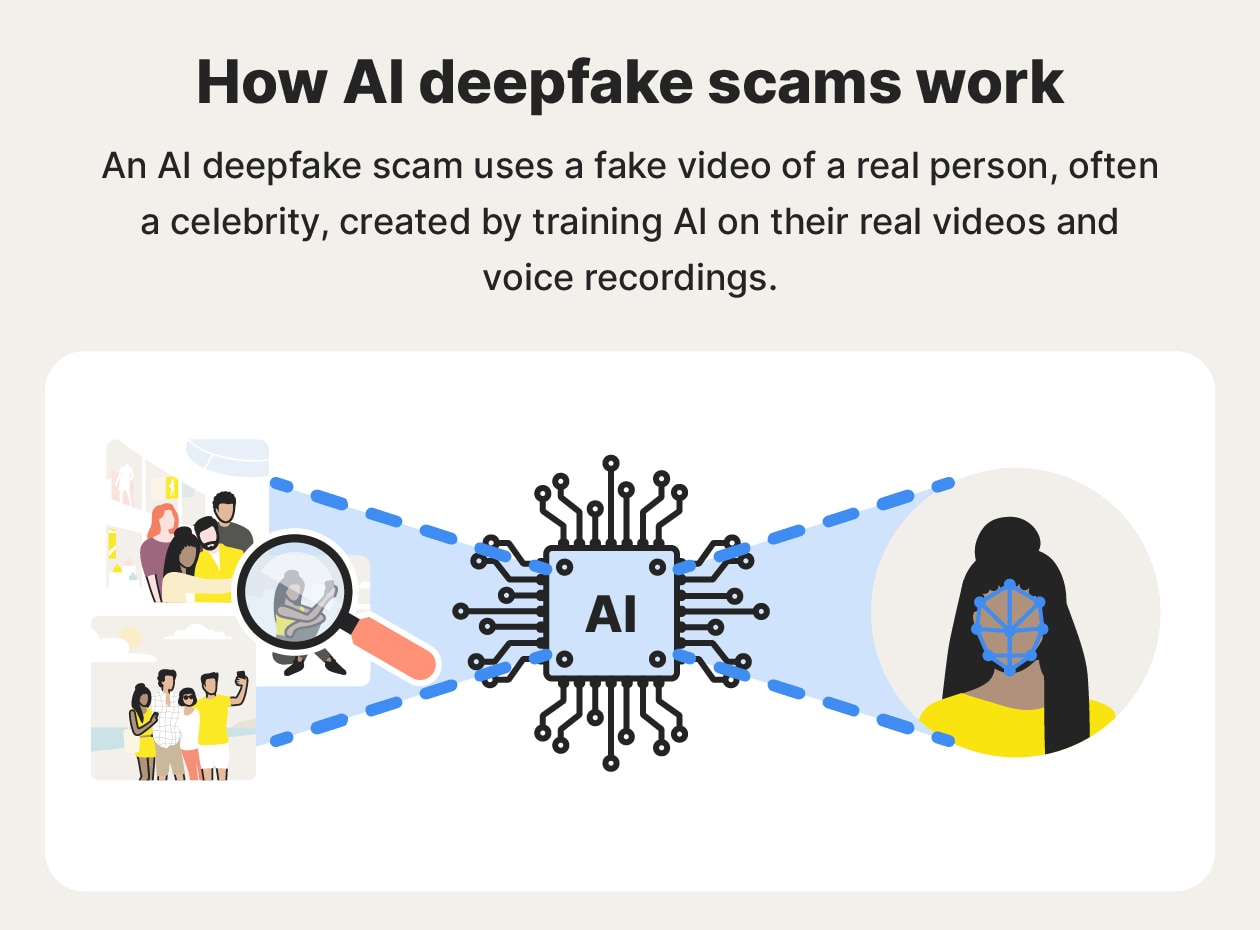
AI deepfake scams are no longer a future problem. They are already taking money, time, and trust from people who thought they were being careful. NBC News reported on a poll showing 12 successful scams in 2025 that used AI-generated voices, faces, or messages to fool U.S. adults. That matters because the old advice, like “look for bad spelling” or “listen for a strange accent,” is getting weaker by the month. If a scammer can copy a boss’s voice, a child’s panic, or a bank’s tone, what exactly are you supposed to trust? The answer is not panic. It is a tighter verification habit.
- Deepfakes now help scammers sound familiar and urgent.
- Voice and video are no longer proof by themselves.
- Verification needs a second channel, every time.
- High-pressure requests are the real red flag.
- Simple family and workplace code words still work.
Why AI deepfake scams are working now
Scams succeed when they feel normal. AI makes that easier. A scammer can copy a relative’s voice, mimic a manager’s writing style, or generate a fake support agent that sounds calm and competent. The result is a fraud that looks less like spam and more like a rushed real-life problem.
That is the shift. Older scams often relied on obvious mistakes. AI deepfake scams can be polished enough to pass a quick check, especially when the target is stressed, distracted, or afraid of missing something urgent. Think of it like a fake key cut from a photo. It may not be perfect, but it only needs to work once.
The new scam test is simple: if someone wants speed, secrecy, and money or access, slow it down.
What the 2025 scams had in common
Most successful deepfake scams lean on the same playbook. The details change, but the structure stays familiar.
- They create urgency. A fake emergency, locked account, missed payment, or stranded family member pushes you to act fast.
- They borrow trust. The scam uses a known name, face, phone number, or writing style.
- They block verification. You are told not to call back, not to tell anyone, or not to use the usual channel.
- They ask for a fast transfer. Gift cards, wire transfers, crypto, password resets, and account codes are common targets.
Look closely and the pattern is plain. The tech is flashy, but the psychology is old. Pressure works because people are human, not because they are careless.
AI deepfake scams: the checks that still work
There is no magic filter that catches every fake. But a few habits cut risk a lot.
1. Verify through a separate channel
If a voice message says your son is in trouble, hang up and call the number you already have. If a boss sends a video asking for a payment, confirm by text, email, or a known internal line. Do not reply inside the same thread if you think the account may be compromised.
2. Use a family or team code word
A private phrase gives you a quick check for emergencies. Keep it simple. Change it if it leaks. This works because deepfakes can imitate tone, but they cannot guess what only your group knows.
3. Watch for pressure, not perfection
Many people focus on glitches in the fake. That is the wrong habit. The stronger clue is the request itself. Why would a bank ask for a one-time code by phone? Why would a relative need gift cards in the next ten minutes?
4. Slow down money moves
Transfers are hard to reverse. Card payments can be disputed. Bank wires, peer-to-peer transfers, and crypto are much harder to recover. Put a delay in place for anything unusual, even if the request sounds familiar.
Honestly, that delay is the whole game. A scam that works in sixty seconds often dies in six minutes.
Where AI deepfake scams hit hardest
These scams land hardest in places where people already expect quick action. Finance teams, customer support desks, and family groups are all exposed. An executive voice asking for an urgent payment can bypass normal caution. A fake grandchild in distress can bypass common sense. A cloned customer service rep can get you to hand over a code before you think twice.
The risk also rises on busy days. Holidays, travel, payroll windows, and school pickup hours are ideal for fraud because attention is split. That is why this problem is less like a software bug and more like kitchen safety. You do not wait until the pan is smoking before you check the stove.
What you should do this week
Start with the basics. Put these habits in place before the next scam lands in your inbox or on your phone.
- Set a family code word. Make it memorable and private.
- Save verified contact numbers. Do not trust caller ID alone.
- Require callback checks for payments. Especially for new bank details or vendor changes.
- Turn on account alerts. Watch for password resets, new logins, and transfer requests.
- Teach one rule at home and work. No urgent money move without a second check.
And if you manage a business, write the rule down. Staff need a clear path for verification, not a vague warning to “be careful.” People follow systems better than slogans.
What this means for the next wave
AI deepfake scams will keep getting better at sounding real. That part is already baked in. The useful response is boring, disciplined, and effective. Verify outside the original channel. Slow down money requests. Build one extra check into anything sensitive.
The biggest mistake is treating a convincing voice or video as proof. That habit is fading fast. The next question is whether your routines are stronger than the fake.