AI Drive-Thru Ordering Is Not Ready Yet
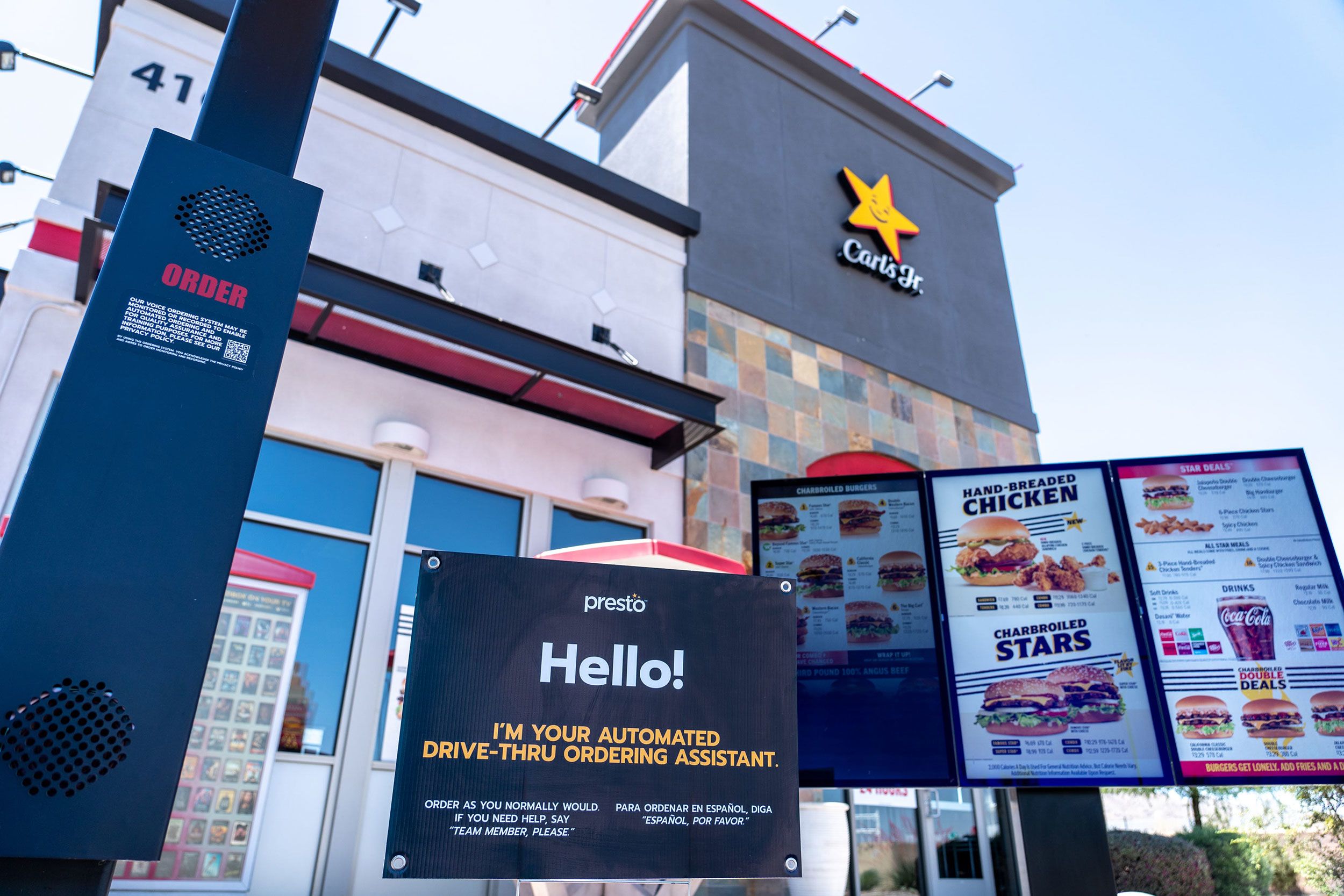
You want a drive-thru line that moves fast, gets your order right, and does not turn a simple burger run into a five-minute correction session. That is the pitch behind AI drive-thru ordering. Restaurants say voice bots can trim labor costs and speed up service at a time when fast food chains face wage pressure, staff shortages, and thinner margins. Fair enough. But the gap between the sales pitch and the parking lot reality is still wide. Real deployments at McDonald’s, Wendy’s, and other chains show a stubborn problem. Ordering food sounds simple, yet speech recognition, menu complexity, accents, background noise, and customer improvisation keep tripping these systems up. So the real question is not whether AI can take some orders. It can. The question is whether it can do the messy part consistently enough to replace a human voice at the speaker.
What matters most
- AI drive-thru ordering works best in narrow, predictable scenarios.
- Accuracy breaks down when customers change items, speak casually, or order in noisy conditions.
- Fast food chains still need human backup, which cuts into the promised savings.
- Brands risk customer frustration when the system feels slower than a person.
Why AI drive-thru ordering keeps running into trouble
Voice ordering sounds like a clean automation task. It is not. A drive-thru is closer to a live sports play than a script. Cars idle. Kids shout in the back seat. People mumble, change their minds, stack modifiers, and ask for half-menu substitutions.
That is where AI drive-thru ordering starts to wobble. Speech models can handle a standard request like “number one with a Coke.” They struggle more when someone says, “Can I do the spicy one, no pickles, add bacon, swap the drink for a chocolate shake, and make the fries large, actually wait, medium.” Humans process that kind of messiness with context and instinct. Machines still miss the beat.
Fast food ordering is not hard because the menu is big. It is hard because people are unpredictable.
The Verge’s reporting points to a pattern many tech watchers have seen before. Companies pilot AI in public-facing roles, the demos look smooth, then real customers expose the ugly edge cases. Honestly, that should surprise no one.
What McDonald’s and Wendy’s reveal about the limits
McDonald’s tested automated voice ordering with IBM before pulling back from that partnership in 2024, according to widely reported coverage referenced in The Verge piece. The company did not abandon automation as a category, but the retreat said plenty. If one of the most operationally disciplined restaurant brands on earth cannot make it stick at scale, the problem is deeper than tuning a microphone.
Wendy’s has pushed its own system, often framed around speed and upselling. That makes business sense. Drive-thrus are margin engines. A voice bot that nudges you toward a combo or dessert can lift average ticket size. But there is a catch. If the bot gets the base order wrong, the upsell feels like a bad joke.
And customers notice.
This is where the business case gets shaky. Chains want lower labor costs, steadier throughput, and more consistent prompts. Yet every failed interaction creates hidden costs:
- Longer order times when customers repeat themselves.
- More handoffs to staff inside the store.
- Wrong orders that lead to refunds or remakes.
- Brand damage when clips of bad interactions spread online.
That last point matters more than executives like to admit. A broken kiosk annoys one person. A confused drive-thru bot can become a viral clip by dinner.
The labor pitch sounds neat. Reality is messier.
Restaurant operators have obvious reasons to chase automation. Labor is one of their biggest costs. If AI can absorb repetitive tasks, managers can put more staff on food prep, handoff, and peak-hour problem solving. On paper, that is a solid operational shift.
But the labor argument often skips a basic fact. Most chains cannot fully remove humans from the loop. They still need workers to monitor the system, jump in during failures, and fix order errors at the window. So instead of replacing labor, the tech often reshapes labor into a more awkward workflow.
Think of it like a kitchen gadget that promises to save time but needs constant cleaning, setup, and babysitting. You still use your hands. You just added a machine in the middle.
That does not mean the technology has no value. It means buyers should judge it by total operational friction, not by the slickest demo.
Where AI drive-thru ordering actually fits
Look, there are environments where these systems can help right now. The sweet spot is a constrained menu, repeatable ordering patterns, and stores with enough volume to justify tuning and oversight. Late-night snack orders? Maybe. Simple breakfast combos? Sure. Highly customized family orders during a lunch rush? Good luck.
The strongest use cases today tend to share a few traits:
- Short menus with limited customization
- Clear audio hardware and controlled lane design
- Strong fallback to human staff
- Frequent model updates based on real store data
- Customer bases used to digital ordering flows
Even then, the system has to earn trust. If customers think the AI will misunderstand them, many will slow down, over-explain, or ask for a person. That cancels much of the speed gain before the first item hits the screen.
Why this matters beyond burgers and fries
The fast food drive-thru is a useful stress test for consumer AI. It strips away the hype and exposes a harder truth. Voice AI is decent at structured tasks until humans behave like humans.
That has wider implications for retail, call centers, healthcare intake, and customer service. Companies keep treating conversational AI as if language itself is the finished product. It is not. The real job is handling ambiguity, interruptions, emotion, memory, and context under pressure (and doing it cheaply enough to matter).
That is a tall order.
So, should brands keep testing? Yes. Should they pretend the hard part is solved? No. Veteran operators know that service businesses live or die on tiny points of friction. One extra “sorry, can you repeat that?” can be the difference between convenience and irritation.
What smart operators should do next with AI drive-thru ordering
If a restaurant chain wants to use this tech without annoying customers, the playbook should be practical, not ideological.
Start with narrow lanes
Deploy the system in limited scenarios first. Breakfast hours, loyalty users, or locations with simpler menu mix are better test beds than full-menu national rollout.
Measure the right metrics
Do not focus only on average speed. Track correction rate, human takeover rate, remake rate, customer satisfaction, and abandoned orders. A faster bad order is still a bad order.
Keep humans easy to reach
Some companies hide the human fallback because they want adoption numbers. That is backwards. If people cannot quickly switch to a staff member, frustration spikes fast.
Treat voice AI as assistive, not autonomous
The best near-term role may be helping staff, not replacing them. For example, AI can capture the first pass of an order, suggest upsells, or structure messy speech for an employee to confirm.
The winning version of this technology may sound less like “human replacement” and more like “human support.”
What to watch from here
The next phase will not hinge on whether AI can take an order at all. We already know it can. The real test is whether AI drive-thru ordering can handle the ugly, ordinary chaos of real customers while saving enough money to justify the headache.
My bet? The technology will improve, but the full human-free drive-thru remains farther off than restaurant tech vendors want you to believe. For now, the chains that win will be the ones that use AI with restraint, keep a person close by, and resist the urge to confuse a pilot program with proof.
And if the bot still cannot handle “no onions, extra sauce, and my kid changed his mind,” what exactly are we automating?