AI Is Making Patch Tuesday Easier to Read
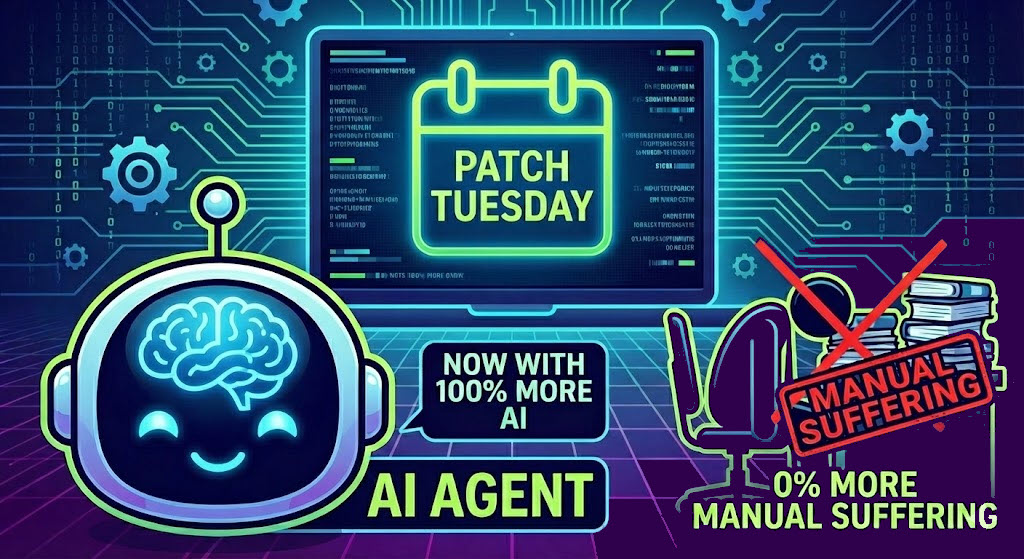
Patch Tuesday used to feel like a pile of warning labels dumped on your desk before coffee. Now the pressure is different. You still have to decide what to patch first, what to test, and what could break a line-of-business app, but mainKeyword is starting to change how fast you can make those calls. That matters because the volume has not gotten smaller. The complexity has grown, the attack window is still short, and one bad choice can ripple across hundreds of machines. So the real question is simple. Can AI help you sort the noise without making you trust the wrong thing?
My short answer: yes, but only if you use it as a first pass, not the final word. That distinction is doing a lot of work here.
What AI Changes in Patch Tuesday
- Faster triage. AI can group advisories by severity, affected product, and likely exposure.
- Cleaner summaries. It can turn dense release notes into a readable shortlist for admins and managers.
- Better prioritization. It can help you spot the updates tied to internet-facing systems, privilege escalation, or active exploitation.
- Less manual scanning. You spend less time hunting through vendor pages and more time testing the fixes that matter.
The appeal is obvious. Patch Tuesday often lands like a box of mixed parts, and AI can sort the screws from the cables before you start building. That does not mean it assembles the machine for you. It just saves time on the grunt work.
Why mainKeyword Matters for Admins
Security teams have always had to rank risk under time pressure. AI helps by turning vendor language into a cleaner decision tree. It can flag which updates touch remote code execution, privilege escalation, or authentication paths, and that gives you a sharper starting point.
But the useful part is not magic. It is pattern recognition at scale. If Microsoft, Adobe, and other vendors publish a flood of notes, AI can read faster than you can (no surprise there) and hand you a shortlist. You still need to know your own environment, which apps are brittle, which servers are exposed, and which teams will complain if a patch forces a reboot at the wrong hour.
Good AI triage does not replace patch judgment. It compresses the boring part so you can spend more time on the risky part.
Where the Hype Breaks Down
Here is the thing. AI summaries can be wrong in boring ways that still hurt you. They can flatten nuance, miss dependency chains, or overstate urgency because a vulnerability sounds dramatic in plain English. A model can tell you a patch is serious. It cannot tell you that your payroll system will fall over because of an old printer driver.
That is why the human review stays non-negotiable. Which systems are exposed to the internet? Which ones sit behind layers of control? Which patches need a lab test before rollout? AI does not know your network map unless you feed it one, and even then it may miss the edge cases that only show up in production.
How to Use AI Without Trusting It Blindly
- Use AI to pre-sort advisories. Ask it to rank updates by likely business impact, not just CVSS score.
- Cross-check the source. Open the vendor bulletin and verify the exact product, version, and exploit type.
- Map to your assets. Match the update against your inventory, including legacy systems and anything with special handling.
- Test the highest-risk fixes first. Focus on internet-facing servers, auth systems, and remote management tools.
- Keep a human approval step. Someone on your team should own the final call, every time.
Think of it like cooking for a big crew. A smart prep cook can chop, sort, and label everything. But you still taste the sauce before it goes out. Patch management works the same way.
What to Ask Your AI Tool
Use prompts that force the model to stay specific. Ask for affected products, likely attack paths, and whether the issue has known exploitation signals. Ask it to separate “urgent because exploitable” from “urgent because noisy.” That split matters more than a generic risk score.
And do not ask one vague question and walk away. Ask for the top three patches that could disrupt service, then ask why. Ask which updates affect remote access, identity, or public-facing apps. That gets you closer to something useful.
The Real Win Is Time, Not Certainty
AI will not make Patch Tuesday safe. It can make it faster to understand, which is a different and much more practical goal. That is enough to matter when teams are thin and the backlog is ugly.
Some admins will treat this shift as a novelty. Others will use it to cut triage from hours to minutes. The second group will sleep better. What happens when the next wave of advisories lands and your team is already behind?
Use AI for the first read, then trust your own environment more than any summary. That is the habit worth keeping.