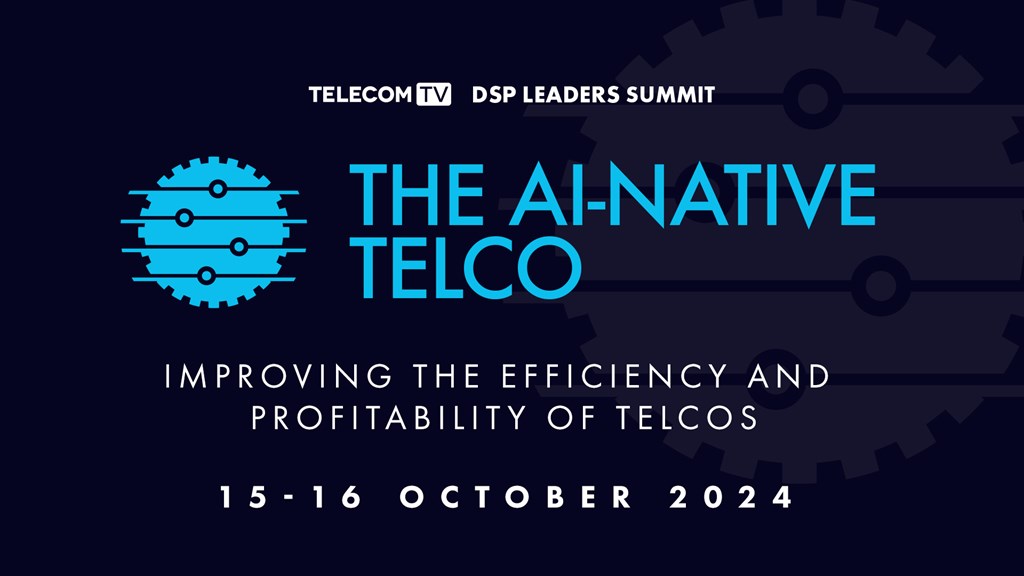
AI-Native Telcos: What the Next Industry Forum Could Change
Telecom operators have spent years talking about AI. Now the pressure is on to prove that ai-native telcos are more than a slide deck promise. That matters because margins are tight, network complexity keeps rising, and customers expect faster fixes with less friction. If operators cannot turn AI into real operational change, they will keep paying for old processes with new software labels. That is a bad trade. The next industry forum will likely surface where the real work is happening, from network operations to customer care to revenue protection. And that is exactly where the industry needs honesty, not more hype. What does an AI-native operator actually look like in practice?
What AI-native telcos are trying to prove
- They want automation with measurable impact. Less manual triage, fewer outages, and faster resolution times.
- They need better decision speed. AI has to help planners and operators act before problems spread.
- They must show business value. Cost savings alone will not carry the pitch.
- They are under trust pressure. Security, governance, and data quality have to hold up.
The phrase AI-native is getting thrown around a lot, but the bar is simple. Can the operator run core tasks differently, or is AI just sitting on top of the old stack like a fresh coat of paint?
Why this shift is happening now
Telcos have hit a practical wall. Networks are more fragmented, customer journeys are messier, and legacy operations teams are stretched thin. At the same time, generative AI and machine learning tools have matured enough to sit inside workflows instead of living in pilot projects.
That does not mean every use case is ready. It means operators now have enough evidence to pick the boring, high-value jobs first. Fault detection, ticket routing, field dispatch, and churn prediction are less glamorous than chatbot demos, but they move the needle.
“The market does not reward AI theatre. It rewards lower cost per action, faster repair, and cleaner customer interactions.”
Where AI-native telcos can deliver real value
Network operations
Network teams are the clearest fit for AI. They already work with large volumes of telemetry, logs, alarms, and configuration data. AI can help spot anomalies faster, group related incidents, and cut the time it takes to isolate a root cause.
Think of it like a racing pit crew. You do not need more people shouting at the car. You need the right signal at the right moment.
Customer care
Chatbots and agent-assist tools can reduce handling time, but only if the knowledge base is current and the handoff is clean. Bad automation annoys customers faster than no automation. That is especially true in telecom, where billing disputes and service outages already test patience.
Sales and retention
AI can help identify churn risk and surface the next best action for a rep or a digital channel. But the operator still has to earn the right to use that insight. If the offer is clumsy, the model does not matter.
AI-native telcos and the operating model problem
Here is the thing. Buying AI tools is easy. Changing how the company works is hard.
Many operators still split data, network, IT, and customer teams into separate silos. That structure slows model training, blocks feedback loops, and creates governance gaps. An AI-native operator has to connect those teams around shared data, shared metrics, and clear accountability (which sounds obvious until you try to do it inside a large carrier).
That is why forum updates from this space matter. They can reveal whether telcos are talking about isolated use cases or a broader redesign of how decisions get made.
What to watch for at the forum
- Named use cases with numbers. Look for reductions in outage time, call handling time, or manual workload.
- Data architecture choices. Are operators building a shared data layer, or keeping AI trapped in separate teams?
- Governance language. Clear answers on privacy, model risk, and auditability will matter more than glossy demos.
- Vendor posture. Are suppliers selling point tools, or helping telcos redesign operations?
- Talent strategy. The strongest operators will talk about training, not just procurement.
Those details separate serious operators from the ones still chasing press release oxygen. And yes, that line is sharp for a reason.
How buyers and partners should read the signals
If you work with telcos, pay attention to whether they talk about outcomes or features. Outcomes tell you they are moving toward operational discipline. Feature lists usually mean they are still shopping for answers.
Partners should also watch how much control the operator wants to keep in-house. Some will want full ownership of models and data. Others will want managed services that bundle analytics, integration, and support. Both paths can work, but only if the accountabilities are clear from day one.
For investors and vendors, the signal is simple: AI-native language means little unless the operator can show repeatable execution across the network and the customer stack.
What the next year may decide
The next phase will not be about whether telcos use AI. That question is already settled. The real question is whether they can turn AI into a durable operating advantage before the market stops caring about the label.
Some will get there first. Most will move in uneven steps, with a few strong wins and a few messy failures. That is normal. The real test is whether they learn fast enough to keep up with the pace of change. Who ends up with a genuinely AI-native telecom model, and who just rebrands the old one?