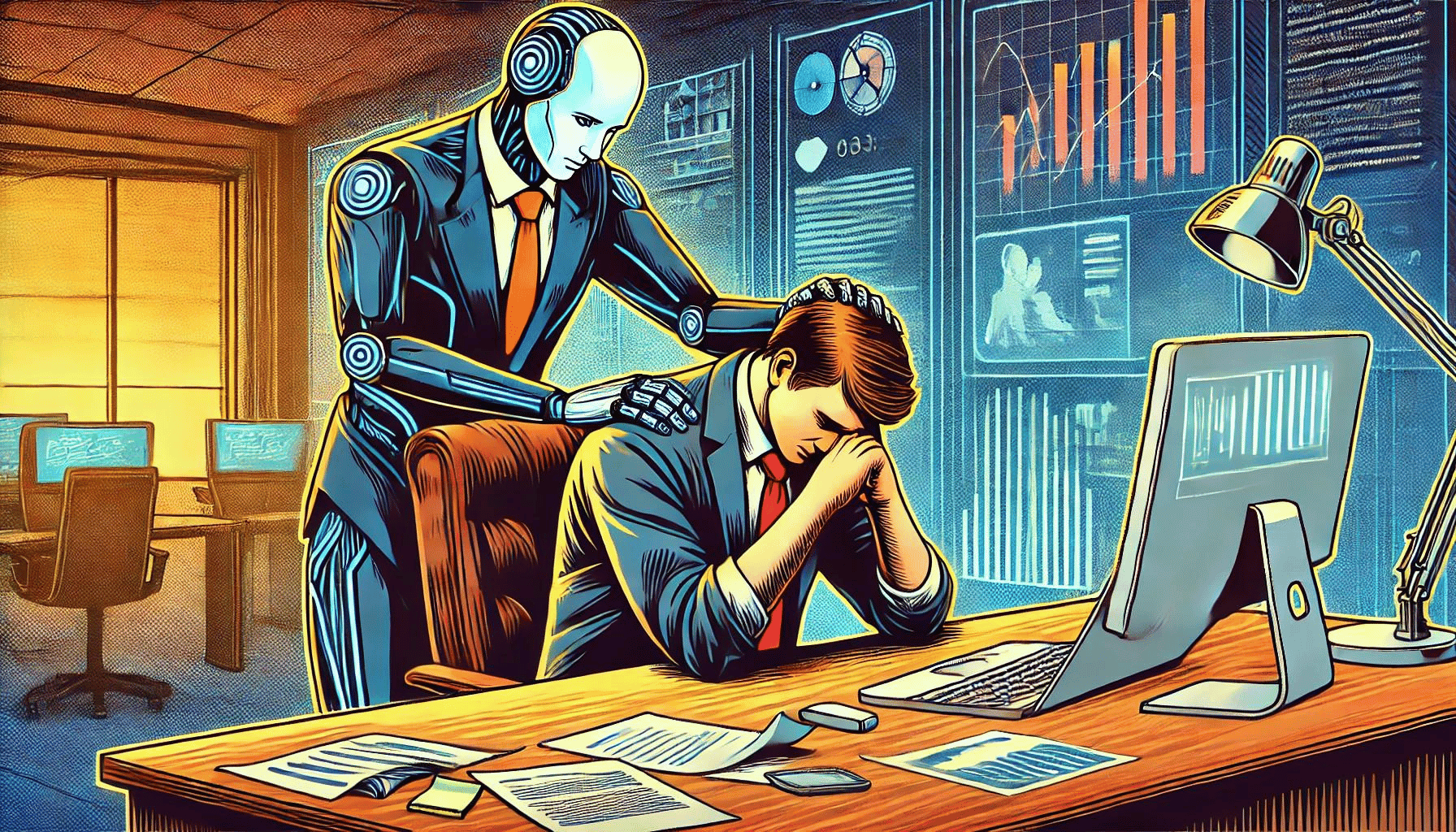
AI Return-to-Office Pressure Hits Parents Hard
If you are trying to balance a career, caregiving, and a return from parental leave, the latest wave of office policy changes can feel less like progress and more like a trap. AI return-to-office pressure is becoming part of that problem. Employers are using new tools to track attendance, rank productivity, and justify stricter in-office rules, often while pitching AI as a modern fix for workplace flexibility. But for many parents, especially mothers, the reality looks harsher. Time away from a desk can already stall pay and promotion. Add algorithmic monitoring and rigid office mandates, and the gap can widen fast. Why does this matter now? Because companies are racing to install AI systems before they have worked through who gets squeezed by them, and parents are often first in line.
What stands out
- AI systems can reinforce old workplace bias under a new label.
- Return-to-office mandates often hit new parents harder than other employees.
- Metrics like badge swipes and keyboard activity miss the actual value of many jobs.
- Parents need clear documentation, manager alignment, and policy facts before they push back.
Why AI return-to-office pressure lands differently on parents
Return-to-office rules are not new. The twist is that companies now have software to watch who comes in, how long they stay, and whether their digital activity matches management’s preferred pattern. That sounds neutral on paper. It rarely stays neutral in practice.
Parents returning from leave often have less schedule slack. Child care pickups are fixed. Sleep is wrecked. Medical appointments pile up. If a company starts treating office presence as a proxy for commitment, who gets marked down first?
Usually the worker with the least room to perform theater.
This is where the issue gets sharper for women. Research on the motherhood penalty has shown for years that mothers can face lower pay, fewer promotions, and harsher assumptions about commitment compared with fathers and women without children. The National Women’s Law Center and Pew Research Center have both documented how caregiving demands and workplace structures push women into a weaker position after childbirth. AI does not erase those patterns. It can freeze them into dashboards.
Old bias with a fresh interface is still bias.
How companies use AI to support return-to-office mandates
Not every employer uses the same stack, but the pattern is familiar. Badge data, calendar data, VPN logs, Slack activity, and productivity software can all feed management decisions. Some tools are sold as workforce analytics. Some are plain employee surveillance with nicer branding.
Look, the problem is not data alone. The problem is what gets counted, what gets ignored, and who gets judged by the result.
Common signals employers may track
- Office attendance through badge swipes or Wi-Fi connections
- Time online through login, idle, or messaging data
- Meeting frequency and calendar response patterns
- Output metrics tied to tickets, sales, code commits, or documents
- Manager assessments shaped by these dashboards
Each signal has holes. A parent who leaves at 4:30 for daycare pickup may still log back in at 8:00 pm. A strategist may produce excellent work with fewer messages than a hyperactive coworker. A software engineer on leave or in phased return may look less productive in a short-term metric window. The data can be precise and still miss the point.
What the Wired report adds
The Wired piece points to a tension that has been building for months. AI is being sold as a way to improve work, yet some workers see it tightening control at the exact moment they need flexibility most. For women coming back from parental leave, office mandates backed by AI can turn a hard transition into a career risk.
That framing matters. Too much discussion about workplace AI gets stuck on shiny product demos or generic ethics talk. The real story is more grounded. Who gets measured. Who gets doubted. Who ends up forced out because the system was built around an ideal worker with no care duties.
Honestly, this is less a tech story than a power story.
Why AI return-to-office pressure can hurt careers over time
The damage is rarely dramatic at first. It accumulates. Think of it like bad architecture in a house. One awkward doorway is manageable. Ten of them shape how you live every day.
If your attendance score drops because of a phased return schedule, you may lose visibility. If your manager sees an activity dashboard before they see your actual work, their judgment can shift. If promotion panels start with system-generated summaries, small penalties can stack into larger ones.
That is how short-term accommodations turn into long-term career drag.
Where the risks show up
- Performance reviews that overvalue presence
- Promotion decisions based on narrow productivity signals
- Reduced access to stretch assignments
- Pressure to return full-time before home support is stable
- Quiet attrition, where parents leave instead of fighting the system
And once enough parents exit, companies can pretend the pipeline problem appeared out of nowhere.
What you can do if you are facing AI return-to-office pressure
You do not need a perfect argument. You need a factual one.
Start by finding out how your employer measures attendance, performance, and flexibility exceptions. Ask direct questions. Is office presence tracked? Does it affect review scores? Are return-from-leave employees evaluated differently during a transition period? Get answers in writing when you can.
Then line up your own evidence. Keep records of output, deadlines met, client feedback, and hours worked outside standard office time. If your value is spread across channels, make it visible. Managers often default to the easiest metric in front of them. Your job is to put better metrics on the table.
Practical steps
- Review your parental leave, accommodation, and hybrid work policies.
- Document your deliverables and results weekly.
- Ask your manager how success will be measured during your return period.
- Flag any mismatch between attendance metrics and actual job performance.
- If needed, speak with HR or legal counsel about protected rights in your location.
But do not make it abstract. Tie every concern to work quality, fairness, retention, or policy consistency.
What better policy looks like
Companies that want to avoid this mess have options. They can exclude leave periods and phased returns from comparative productivity models. They can audit workplace AI tools for gender and caregiver bias. They can stop treating seat time as proof of contribution. None of that is radical. It is basic management discipline.
A smarter approach would include:
- Transparent use of employee monitoring tools
- Human review before dashboards affect pay or promotion
- Separate standards for employees returning from leave
- Manager training on caregiver bias
- Outcome-based evaluation instead of presence-based scoring
Would that solve every workplace equity problem? No. But it would at least stop software from turning old assumptions into official policy.
The next test for workplace AI
For years, tech companies said AI would make work more efficient and more flexible. Parents, especially mothers coming back from leave, are now a clean test of whether that promise means anything. If AI mainly helps employers monitor, rank, and pressure people into rigid schedules, workers should read the message clearly.
The next move belongs to employers and regulators, but also to workers who are willing to question the metric before it hardens into rule. If your company says the data proves who belongs in the office, ask a simple question. Data about what, exactly?