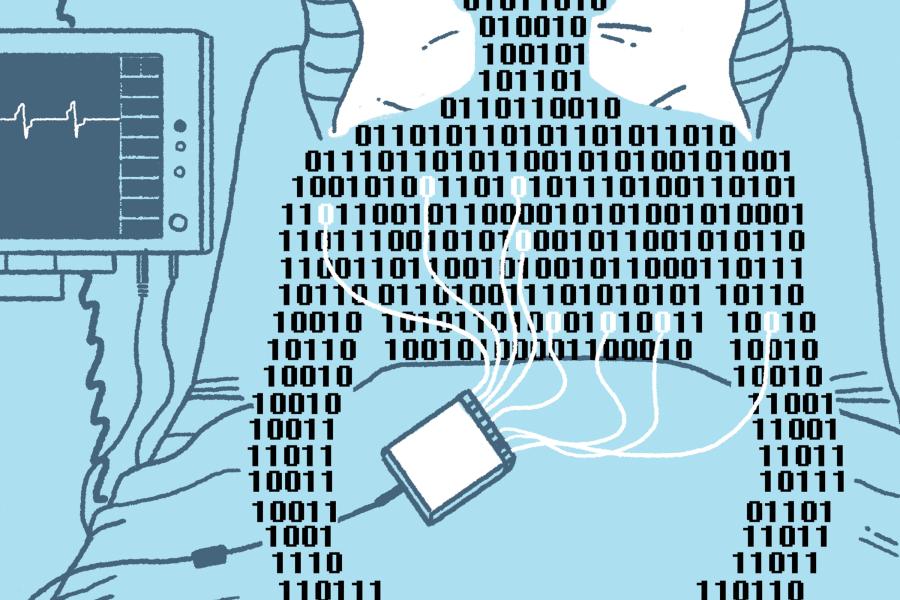
AI Sepsis Alerts and Overtreatment Risk
Hospitals keep buying predictive systems that promise earlier sepsis detection, fewer deaths, and cleaner workflows. But if you are evaluating one of these tools, the headline numbers can fool you. AI sepsis alerts may look effective on paper while quietly pushing clinicians toward extra antibiotics, more lab tests, and treatment for patients who were never truly septic. That matters now because sepsis care sits in a narrow lane. Miss it, and patients can deteriorate fast. Overtreat it, and you add cost, side effects, resistance pressure, and noise to already busy care teams. The harder truth is that some models may appear to improve outcomes partly because they change behavior in ways that inflate measured success. Look, that is not a small methodological quirk. It cuts to whether the tool helps patients or just helps a dashboard.
What stands out
- Performance claims for AI sepsis alerts can look better than the real clinical value.
- Earlier alerts may trigger extra treatment, which can blur whether the model found sepsis or created more sepsis workups.
- Hospitals should ask how studies handled false positives, antibiotic exposure, and clinician behavior changes.
- Good evaluation needs patient-centered outcomes, not just alert timing or protocol compliance.
Why AI sepsis alerts can look better than they are
Sepsis prediction is a tempting target for AI. The condition is common, dangerous, and time-sensitive. A model that flags risk earlier sounds like an easy win. But medicine is rarely that tidy.
The core problem is feedback. Once a model fires an alert, clinicians often act. They order cultures, start broad-spectrum antibiotics, repeat lactate testing, and monitor more closely. If the patient later meets sepsis criteria, was that a clean prediction or a chain reaction shaped by the alert itself?
That question matters because many studies rely on retrospective labels, EHR timing, and process measures. Those methods can overstate benefit. It is a bit like judging a smoke detector by how often people run to the kitchen, rather than by how often it prevents a house fire.
Earlier action is not the same thing as better diagnosis. And better diagnosis is not the same thing as better outcomes.
How overtreatment slips into the picture with AI sepsis alerts
Sepsis treatment often starts before certainty. That is reasonable in high-risk cases. But an alert system can widen the net too far, especially if hospitals push teams to respond to every signal.
Here is where overtreatment shows up:
- More patients receive antibiotics before infection is confirmed.
- More blood cultures and repeat labs get ordered.
- ICU consults and fluid resuscitation may increase, even in borderline cases.
- False positives can train staff to treat the alert rather than the patient.
Honestly, this is the part vendors tend to skate past. If a tool increases treatment intensity across a large group, some apparent gains may come from treating more people, not from identifying the right people.
That can distort results.
What a solid study of AI sepsis alerts should prove
If you are reading a paper or vendor deck on AI sepsis alerts, ask a few blunt questions. Did the study measure mortality, ICU length of stay, organ failure, and antibiotic days? Or did it lean on softer endpoints such as faster bundle completion and earlier chart documentation?
The difference is non-negotiable. Process metrics matter, but they are not the finish line.
Questions worth asking
- How was sepsis defined, and could the alert itself influence that definition later?
- What was the false-positive rate?
- Did antibiotic use rise, and by how much?
- Were harms tracked, including C. difficile risk, kidney injury, and unnecessary admissions?
- Was the comparison group exposed to the same staffing, workflow, and quality-improvement pressure?
- Did performance hold up across age groups, comorbidities, and hospital units?
But there is another wrinkle. Sepsis labels in EHR data are messy. Some systems train on billing codes, order patterns, or charted suspicion of infection. Those signals are shaped by local habits. If one hospital has a hair-trigger sepsis culture, the model may learn that habit rather than the disease itself.
The real clinical risk is alert-driven behavior
A veteran ICU nurse can tell you this in plain language. Once a screen flashes red often enough, staff either overreact or tune it out. Neither result is great.
That is why workflow design matters as much as model accuracy. A model with decent AUROC but poor precision can create a lot of clinical churn. And if every alert pushes the same action set, hospitals may drift toward protocolized overtreatment.
Would you trust a thermostat that kept your house warm by blasting heat every hour, even on mild days?
Health systems should test whether alerts improve judgment or replace it. There is a big difference between surfacing a useful risk signal and nudging staff into reflex care.
How hospitals should evaluate AI sepsis alerts before rollout
If your team is considering a deployment, skip the shiny pilot language and get practical. You need a clinical, operational, and methodological review.
A smarter checklist
- Look for prospective validation. Retrospective wins are cheap. Real-time testing tells you more.
- Measure harm alongside benefit. Track antibiotic days, broad-spectrum use, fluid overload, and false alarms.
- Audit subgroup performance. Patients in the ED, oncology, and step-down units may see different results.
- Review the action pathway. Decide what happens after an alert, and where clinician override fits.
- Watch for alert fatigue. Adoption drops fast if staff feel spammed.
- Demand transparent reporting. Calibration, sensitivity, specificity, PPV, and workflow impact should all be visible.
And do not ignore the incentive structure. Some hospitals want cleaner compliance metrics. Some vendors want a dramatic case study. Those goals can nudge evaluations toward easier wins rather than honest ones.
What this says about AI in medicine more broadly
This story is bigger than sepsis. Clinical AI often gets judged on what it speeds up, not what it truly improves. That can produce a strange result where a model seems useful because it prompts action, even if the action is too broad, too costly, or too detached from patient need.
As someone who has watched health tech cycles for years, I think this is where skepticism helps. Not cynicism. Skepticism. Hospitals should absolutely test predictive tools. But they should treat bold claims the way a good editor treats a shaky statistic. Check the denominator, ask who benefits, and keep pulling at the thread.
The best hospital AI is not the model that shouts first. It is the one that improves decisions without flooding the ward with extra care no one needed.
What to watch next
Expect more scrutiny of how sepsis models are evaluated, especially around label design, clinician response, and downstream harms. Regulators, clinical journals, and hospital buyers are getting less patient with glossy outcome claims that cannot survive a hard methods review.
If you are buying, studying, or deploying AI sepsis alerts, ask one final question before you sign off. Is this system finding danger earlier, or is it simply making more treatment happen? The next wave of hospital AI will be judged by that difference.