AI Shopping Faces a Trust Problem
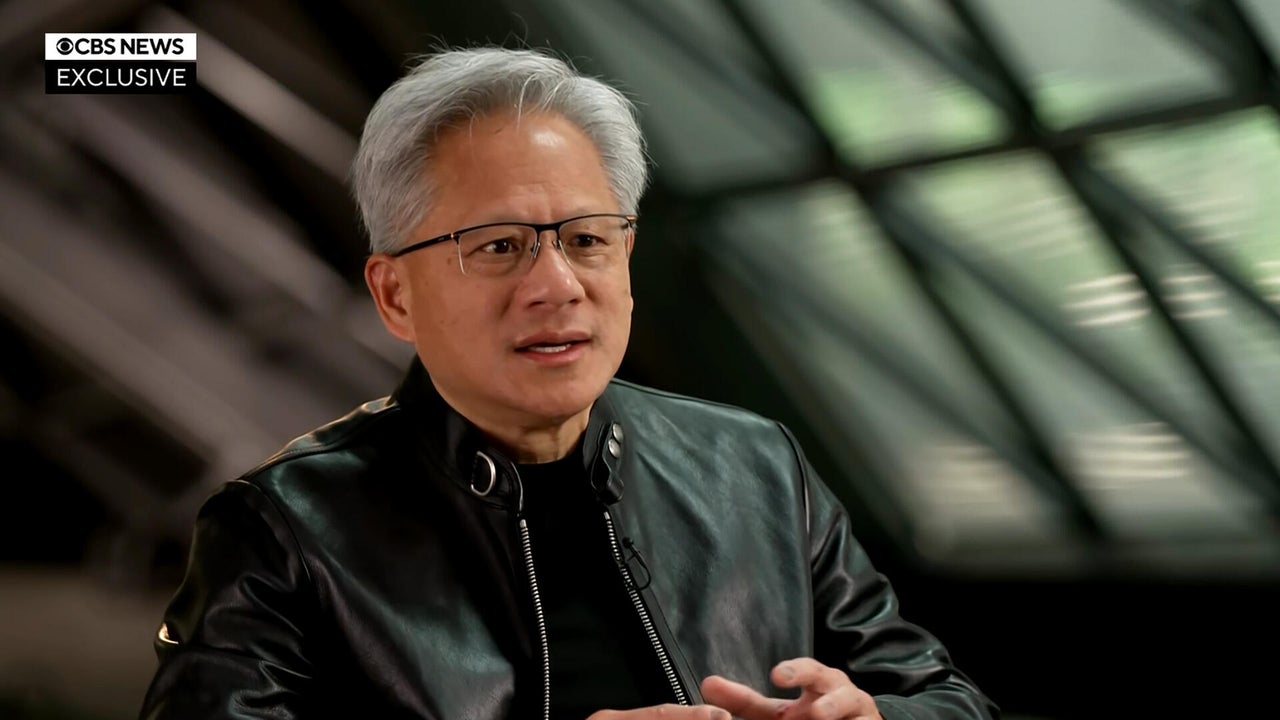
You are being told that AI shopping will soon pick your clothes, compare your groceries, book your travel, and maybe spend your money before you even open a browser. That pitch matters now because retailers, payment companies, and AI startups are racing to own the next buying interface. But Ron Johnson, the former Apple retail chief credited with building Apple’s stores, is not convinced. In a TechCrunch interview, Johnson pushed back on Silicon Valley’s faith that shopping can be reduced to prompts, agents, and checkout automation. His point is simple, and I think he is right to press it. Buying is often emotional, social, and oddly personal, especially when the product says something about who you are.
What Stands Out
- AI shopping works best for repeat, low-risk purchases, not every buying decision.
- Trust is the main bottleneck, especially if an agent can spend money for you.
- Stores still matter when fit, feel, service, or brand experience affects the sale.
- Retailers should treat AI as sales support, not as a full replacement for human judgment.
Why Ron Johnson’s AI shopping skepticism matters
Johnson is not some outsider throwing rocks at tech hype. He helped create one of the most successful physical retail formats of the past 25 years, then later founded Enjoy, a company built around at-home product setup and service.
That history matters because he has seen both sides of retail. Apple Stores proved that a physical shop can act like a product demo, support desk, classroom, and brand billboard at once.
Johnson’s critique lands because he is not arguing against technology. He is arguing against a thin view of why people buy.
AI shopping boosters often frame the store as friction. But for categories like phones, jewelry, furniture, cosmetics, running shoes, and premium apparel, friction can be useful because it gives buyers confidence.
Where AI shopping actually helps
Look, some parts of buying are dull. If an AI agent can reorder detergent, find a cheaper HDMI cable, or compare refund policies across five sites, most people will not miss that work.
The clearest use cases have three traits. The product is easy to define, the stakes are low, and the buyer already knows what good looks like.
- Reordering household staples based on past purchases.
- Comparing commodity electronics by price, shipping, and warranty.
- Finding available sizes across retailers.
- Summarizing customer reviews and return policies.
- Flagging hidden fees before checkout.
This is where AI shopping can save real time. It is the retail version of a sous-chef chopping onions before dinner, useful work, but not the whole meal.
Where AI shopping breaks down
The harder problem starts when taste enters the room. Would you let an AI agent buy a wedding outfit, a sofa, or a birthday gift for your partner without checking its choice first?
Most people want control at that point. They may want help narrowing options, but they still want the final say because the cost of a bad pick is not only financial.
That is the hard part.
Shopping also carries social signals. A Patagonia jacket, a Herman Miller chair, a Rolex, or an Apple Vision Pro purchase is rarely just a line item, and AI can flatten that context if it treats the decision as a specification match.
The real AI shopping fight is about trust
Trust is not a feature you bolt on after launch. If an AI shopping agent can choose products, enter payment details, and manage returns, it needs permission that most consumers will grant slowly.
Retailers should separate recommendation from action. Suggesting three options is one level of trust, while buying one automatically is another, and the gap between those two steps is where many startups will stumble.
What retailers should build first
- Clear approval controls. Let shoppers set spending caps, preferred brands, blocked brands, and approval rules.
- Visible reasoning. Show why the agent picked an item, including trade-offs on price, quality, delivery, and returns.
- Easy reversals. Make cancellations and returns simple inside the same AI interface.
- Human backup. Offer staff chat, video help, or in-store appointments when the decision gets complex.
Amazon, Google, OpenAI, Perplexity, and Shopify all have reasons to push AI deeper into commerce. But the winner will not be the company that hides the most steps, it will be the one that makes shoppers feel safe while those steps happen.
AI shopping will not kill the store
Tech investors love clean replacement stories. Search replaced directories, streaming weakened cable, and mobile apps changed banking, so AI agents must replace shopping sites and stores, right?
Retail rarely moves that neatly. Apple’s own stores show why, since customers can compare devices online but still show up to test cameras, ask about trade-ins, fix problems, and get a feel for the product (and the crowd around it).
Physical retail has costs, of course. Bad stores are expensive warehouses with music, but good stores reduce doubt and raise attachment in a way a chatbot cannot yet match.
How brands should use AI shopping now
The practical move is not to reject AI. Brands should use it where it removes boring work while keeping people in charge of judgment-heavy moments.
Start with service, search, and post-purchase support. If your AI can answer sizing questions, compare models, explain warranties, and help with returns, it will earn trust before it asks for more authority.
- Use AI to guide shoppers to the right product family, then offer expert help for final selection.
- Train AI on your actual product data, not vague web summaries.
- Measure return rates, not only conversion rates.
- Give store staff AI tools too, so digital and physical channels do not fight each other.
- Be blunt about sponsored placement. Hidden incentives will poison trust fast.
Here’s the thing. If an AI assistant recommends the product with the highest margin while pretending it is the best fit, shoppers will figure it out.
The next test for AI shopping
Johnson’s skepticism should make the industry sharper, not defensive. AI shopping has a future, but it will look less like a magic buyer and more like a patient assistant that knows when to stop and ask.
The next practical step for retailers is simple. Pick one category where customers already feel confident, add AI help there, and prove that it lowers effort without making buyers feel managed.