AI Warning Signs for Primaries and Public Safety
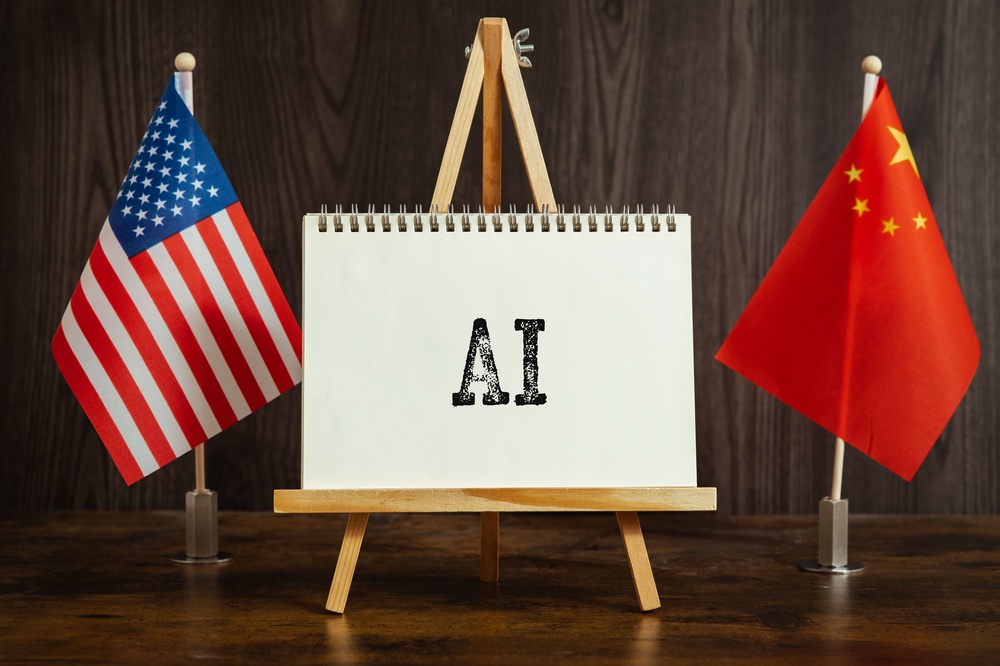
AI warning signs are no longer a niche issue for policy wonks. They now sit in the middle of election integrity, public safety, and public trust, which means you are seeing the problem before the guardrails are ready. That matters because the same systems that speed up content creation can also speed up confusion, fraud, and bad decisions. The pace is the real problem. Officials, platforms, and voters are all reacting to AI at different speeds, and that gap creates room for harm. If you care about how campaigns, newsrooms, and agencies handle synthetic media, this is the moment to pay attention. What happens when a convincing fake spreads faster than the truth can catch up?
What stands out right now
- AI warning signs are showing up in election communication, not only in lab demos.
- Public safety teams need faster verification tools, especially for audio, images, and text.
- Policy responses still move slower than the systems they are meant to control.
- Real-world harms usually start small, then spread through repetition.
Why AI warning signs matter in elections
Election seasons are a stress test. AI makes that test harder because it lowers the cost of creating believable junk at scale. A fake robocall, a synthetic candidate quote, or a doctored image can hit voters before reporters or election officials have time to respond.
Look, this is not about one dramatic hoax. It is about volume, speed, and timing. A campaign only needs confusion for a few hours to shape the narrative (and that is often enough).
“The threat is not just deepfakes. It is the cheap, fast, repeatable production of misleading content that looks ordinary enough to pass at first glance.”
Where the risk is highest
- Primary elections, where turnout is lower and small shifts matter more.
- Down-ballot races, where fewer journalists are watching.
- Local crisis moments, where fake emergency alerts can cause real panic.
Newsrooms and election offices need a verification habit, not a one-time policy memo. That means checking source metadata, calling the named office, and preserving original files before they get reposted and stripped of context.
How public safety agencies should read AI warning signs
Public safety teams are dealing with a different version of the same problem. A synthetic image of a fire, a fake evacuation order, or an AI-written scam text can waste time when minutes count. The playbook has to be simple, because complexity slows response.
Think of it like building codes. You do not design a bridge for the best case. You design it for load, weather, and bad assumptions. AI policy should work the same way.
Practical checks that help
- Require a human call-back for urgent alerts before release.
- Store original media files with timestamps and source details.
- Use approved channels for emergency messaging only.
- Train staff to flag language that sounds polished but lacks local details.
And yes, that includes social media screenshots. Screenshots are easy to fake and easy to misread. If the source is missing, the proof is weak.
What policymakers keep getting wrong about AI warning signs
The usual mistake is treating AI as one issue. It is not. It is a set of tools that affect elections, safety, labor, and law at the same time. That is why narrow fixes often miss the bigger pattern.
Some lawmakers focus only on disclosure labels. Others lean on platform moderation. Both matter, but neither solves the core problem if bad actors can still flood the zone. The better question is simpler: can you verify a claim before it shapes behavior?
That is the non-negotiable test.
Credible oversight also needs outside pressure. The Pew Research Center has repeatedly shown that public trust in AI is cautious, and that caution is rational. People can spot the gap between what vendors promise and what institutions can prove.
What you should watch next
The next round of AI warning signs will likely come from small errors that expose big flaws. A wrong name in a generated script. A fake local detail. A mismatched voice on an urgent phone call. Tiny cracks. Then the whole thing slips.
Stay alert to how institutions respond, not just to the content itself. Do they verify fast? Do they admit uncertainty? Do they correct publicly? Those answers tell you more than any demo ever will.
For now, the smartest move is plain: treat AI output as untrusted until a person checks it. That sounds basic because it is. And basic is exactly what keeps the damage from spreading.
Where this goes from here
The next year will show whether governments and campaigns can build routines that match the speed of AI. If they cannot, the public will keep doing the hard work with too little help. Who do you want making the first call when the message looks real but might not be? That answer will shape the next crisis.