Alpha School NYC and the Limits of AI Learning
If you are trying to make sense of Alpha School NYC, the first problem is basic: what is this thing, exactly? The branding says school. The fine print says something else. That matters now because more parents are hearing bold claims about AI tutors, faster learning, and tiny classroom time, then assuming those claims describe a standard private school model. They do not. Alpha School NYC has drawn attention because it packages homeschooling, learning software, and adult coaching into something that looks like a campus school experience. But the legal structure, daily setup, and educational tradeoffs deserve a colder read. Hype spreads fast in education, especially when it promises efficiency. Your job as a parent, educator, or observer is simpler. Ask what students actually do all day, who is teaching them, and what kind of accountability exists when the software pitch gets louder than the pedagogy.
What stands out
- Alpha School NYC is not a conventional school. Reports indicate it operates through a homeschooling or educational support model rather than as a state-recognized school.
- The AI story is only part of the product. The full offer includes software, adult guides, enrichment, and a curated environment.
- Regulatory labels matter. Parents may expect certified teachers, standard oversight, and academic transparency that do not automatically come with this setup.
- Short academic blocks sound efficient, but they raise hard questions. How much learning depth, discussion, and feedback can students really get?
What is Alpha School NYC, really?
Look, this is the core issue. Alpha School NYC appears to market an education experience that feels like a private school, while operating outside the usual definition of one. Wired’s reporting says the New York campus is not actually a school in the formal sense. That is not a minor paperwork detail. It shapes oversight, staffing, and parent expectations.
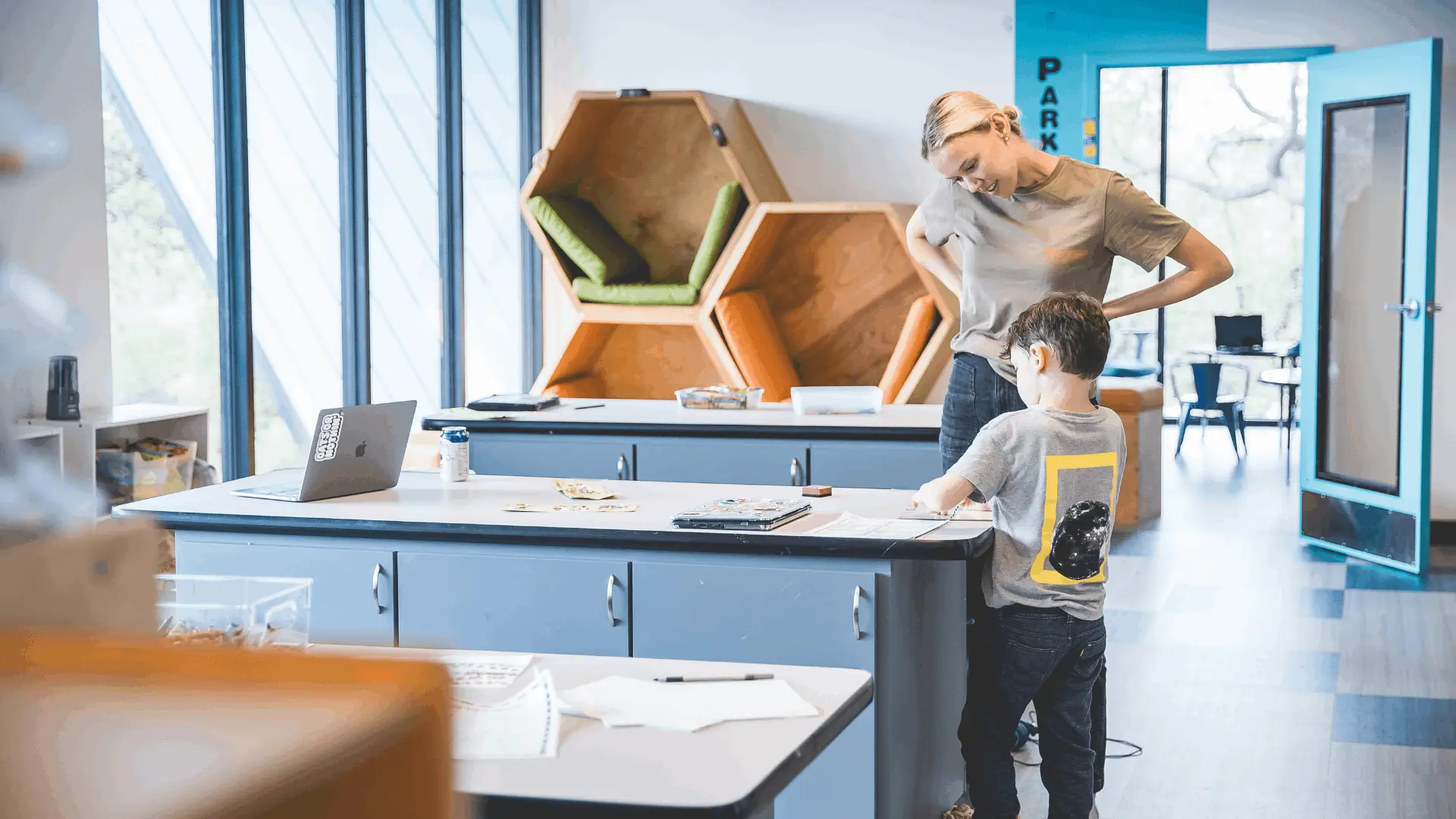
In practice, the model seems closer to a hybrid support center for homeschooled students. Kids attend a physical site. They use education software, often with AI-driven components, and work with adults sometimes described as guides or coaches rather than traditional classroom teachers. That distinction is non-negotiable if you are comparing options.
Calling something a school carries assumptions about regulation, teachers, curriculum, and accountability. If those assumptions do not apply, parents need that spelled out in plain English.
And yes, branding does a lot of work here.
Why the Alpha School NYC model gets attention
The pitch is easy to see. Students spend a relatively short window on core academics, often framed around adaptive learning platforms, then use the rest of the day for projects, life skills, workshops, or enrichment. For families frustrated with rigid school systems, that can sound fresh. For investors and edtech founders, it sounds scalable.
It is the education version of a meal-kit service. Ingredients are portioned, prep is simplified, and the process looks clean from the outside. But cooking still depends on the quality of the ingredients, the skill of the person in the kitchen, and whether the finished meal actually nourishes you.
That is the gap many AI learning models try to skip past. Efficiency is not the same thing as education.
Alpha School NYC and AI learning claims
Any serious review of Alpha School NYC has to separate software strengths from marketing spin. Adaptive learning systems can help with pacing, repetition, and immediate feedback. They can be solid for math drills, reading practice, and skill gaps. That part is real.
But schools are not only delivery systems for content. Students need discussion, interpretation, social friction, writing feedback, and human judgment. They need adults who can spot confusion that does not show up in a dashboard. They also need someone to challenge easy answers. A chatbot can score a response. It cannot fully replace a seasoned teacher who knows when a student is bluffing, coasting, or quietly lost.
Honestly, that is where a lot of AI education hype falls apart. It assumes learning is mainly a speed problem. Often it is a motivation, context, or relationship problem instead.
Where AI learning can help
- Practice basic skills at an individual pace
- Flag weak areas quickly
- Reduce time spent waiting for the rest of a class
- Give some learners more confidence through private repetition
Where AI learning still looks thin
- Socratic discussion and debate
- Nuanced writing instruction
- Critical reading of complex texts
- Social learning and group problem solving
- Emotional support and behavior insight
What parents should ask before choosing Alpha School NYC
If you are weighing a program like this, skip the glossy language and ask blunt questions. Who designs the curriculum? Who is legally responsible for the student’s education? Are instructors certified teachers, subject experts, or general mentors? How is progress measured beyond software dashboards?
Ask these next:
- What does a normal day look like, hour by hour?
- How much live teaching happens each week?
- Which AI tools or platforms are used?
- How are writing, science labs, and discussion-heavy subjects taught?
- What happens if a student struggles socially or academically?
- How are transcripts, records, and grade-level benchmarks handled?
- What oversight exists from New York education authorities?
One more thing matters. If the program relies on homeschooling rules, parents should understand exactly what obligations shift onto them. That can affect documentation, compliance, and future school transitions.
Is this a school, a homeschool hub, or an edtech business?
Probably some blend of all three. And that ambiguity is the story.
Traditional schools are messy institutions. They handle instruction, supervision, records, special needs, conflict, family communication, and public accountability in one place. An AI-first learning center can trim parts of that structure, which may make it faster and cheaper to run, but also narrower in what it really provides.
This does not mean the model cannot work for some families. It might. A self-directed student with strong support at home may do well in a setup built around software, coaching, and enrichment. But that is a much smaller claim than saying AI has solved schooling.
Big difference.
What the Wired report signals for AI in education
The Wired piece points to a wider pattern in AI learning startups and alternative education programs. Labels get stretched. Claims get polished. The hard parts of teaching are pushed into the background while the product story focuses on personalization and speed.
That should make you cautious, not cynical. There is room for new models. Plenty of families want something outside the standard classroom. But if a company presents itself like a school while operating under looser rules, scrutiny is fair. In fact, it is overdue.
Veteran education reporters have seen this cycle before. A new platform arrives. It promises better outcomes with fewer inputs. Then reality shows up. Students vary. Families vary. The adults in the room matter more than the interface (even if the interface is slick).
Before you buy the pitch
If you are evaluating Alpha School NYC or any AI-heavy education option, treat it like a serious due diligence exercise. Read the legal structure. Ask for daily schedules. Request clear information on staffing, curriculum, and student outcomes. Do not settle for broad claims about personalization.
And ask the obvious question that too many people skip: if this is not formally a school, what are you actually paying for?
That question will only get louder as more AI learning startups move into education. The winners will not be the loudest brands. They will be the ones willing to show, in plain terms, what children gain and what tradeoffs parents accept.