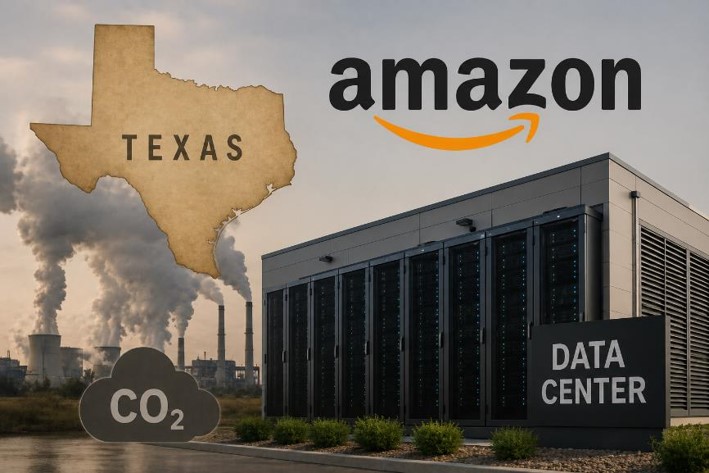
Amazon Data Center Climate Pollution Risk
Massive data centers are no longer a niche infrastructure story. They are now an energy story, a water story, and a climate story. The planned Amazon data center at the center of this debate could become the biggest climate polluter in the U.S., and that should worry anyone who cares about how fast AI and cloud infrastructure are scaling. Amazon data center climate pollution is not a side issue. It sits right at the collision point between corporate growth, grid capacity, and emissions targets. If a single campus can reshape local power demand so sharply, what happens when every major tech company tries to build the same thing?
Look, the problem is not that data centers exist. We need them. The problem is the speed and size of the buildout, plus the weak public visibility around what these facilities burn, draw from the grid, and push onto communities. That is why this case matters now. It is a preview of the next fight over AI infrastructure.
What stands out about the Amazon data center climate pollution debate
- The proposed facility could bring a huge new electricity load to the grid.
- Power demand at this scale can drive more fossil fuel generation if clean supply does not keep up.
- Water use, transmission strain, and local air quality all sit in the same bucket here.
- Big tech’s climate pledges can look thin when matched against real-world infrastructure growth.
- Regulators and utilities may be the only forces that can slow the pace.
Why does one data center matter so much?
Because data centers do not behave like ordinary office buildings. They run around the clock, pull large amounts of electricity, and keep expanding as demand rises. A hyperscale campus can act like a small industrial plant, except it is often marketed as invisible digital infrastructure.
That framing is convenient. It hides the fact that every new server rack needs power, cooling, backup systems, and grid support. Think of it like building a huge commercial kitchen in a quiet neighborhood. The menu might be digital, but the utility bill is very physical.
Energy-hungry computing is only “clean” if the grid behind it is clean too.
Amazon data center climate pollution and the power problem
The real issue is not just how much electricity the site uses. It is where that electricity comes from. If a utility has to add gas peaker plants, extend fossil generation, or delay retirements of older plants to meet demand, emissions rise fast.
Amazon has made public climate commitments and has said it wants to run on more renewable energy. But corporate pledges do not automatically clean up the grid. The electricity mix at the time and place a data center operates is what matters. That is the hard part, and it is why local scrutiny matters more than glossy sustainability reports.
What to watch in the power data
- Peak load forecasts from the utility.
- Whether new transmission is needed.
- Any planned gas capacity added to serve the site.
- Renewable power contracts versus actual local generation.
- Demand response plans, if the operator claims flexibility.
Is this just an Amazon problem?
No. Amazon is a headline case, but the same pattern is spreading across the sector. Microsoft, Google, Meta, and AI startups all want more compute. The race is similar to a stadium arms buildout. One team expands first, the others follow, and suddenly the city needs more roads, more lights, more parking, and more police detail. Except here the cost shows up in grid upgrades and emissions.
And the public often learns about it late. By the time permits are filed and transformers are ordered, the political shape of the project is already locked in. That gives utilities and developers a huge advantage over residents who only see the scale after the fact.
What regulators can do before the damage is baked in
There are a few practical levers. Local planners can demand clearer environmental review. Utility commissions can ask for transparent load forecasts. State agencies can require more disclosure around backup power and emissions. None of this is glamorous. It is paperwork, hearings, and accounting. But that is where the fight lives.
Here is the thing. If a project could become one of the biggest climate polluters in the country, then it should face the kind of scrutiny that matches the risk. Fast approvals and vague assurances are not enough.
Useful questions for regulators:
- Will this site increase fossil fuel generation in the short term?
- Can the grid support the load without new emissions?
- What is the backup power plan during outages?
- How much water will cooling systems use?
- Who pays for the infrastructure upgrades?
What this means for Amazon and the rest of Big Tech
Amazon is trying to grow cloud services, AI capacity, and logistics all at once. That makes its climate story harder, not easier. A company can buy renewable credits and still drive massive real-world emissions if it keeps expanding power-hungry facilities faster than clean supply arrives.
That gap is where credibility gets tested. If the industry wants people to believe its climate promises, it needs to show the math, not just the branding. Otherwise, every new data center announcement will look like a very expensive shrug.
The next test for Amazon data center climate pollution
The next round of permits, utility filings, and public hearings will tell us more than any polished sustainability page. Watch those documents closely. They reveal whether this is a genuine clean-energy buildout or just another scramble for more power.
And if the numbers do not add up, why should anyone pretend they do?