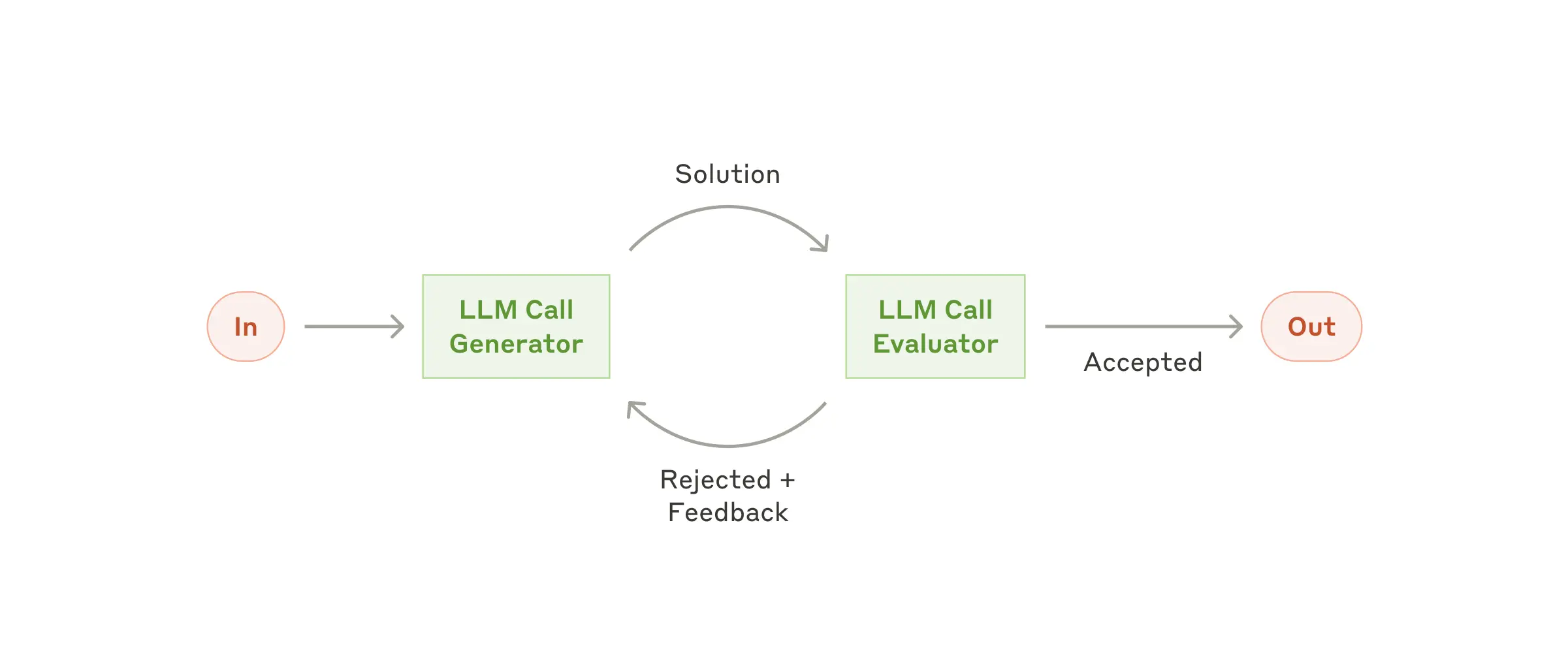
Anthropic AI Agents and the Turf War Problem
You want AI agents to save time, not create a mess. That is the catch with Anthropic AI agents and similar systems right now. Put more than one agent on the same task, and you can get overlap, duplicated work, or direct conflict over who should do what. That matters because companies are already pushing agents into customer support, research, coding, and ops workflows where coordination is not optional. A tool that can act on its own also needs rules for sharing space with other tools. Otherwise, you are just automating confusion.
Look, the hype around agents often skips the dull parts. Who owns the task? Who checks the result? What happens when two models both think they are in charge? Those questions are the real story.
- Agent conflict is a design problem, not just a model-size problem.
- Shared tasks need clear roles or you waste time and money.
- Human oversight still matters when agents make competing decisions.
- Coordination rules beat raw autonomy in real workflows.
- Testing agents together can expose failures you will not see in solo demos.
Why Anthropic AI agents collide on the same task
Anthropic AI agents, like other autonomous systems, can optimize for their own local objective without understanding the bigger workflow. If two agents are told to solve the same problem, they may duplicate effort, race each other, or step on shared resources. That is not a glitch in the dramatic sense. It is an expected outcome when you give software partial instructions and ask it to behave like a team.
Think of it like a kitchen with two head chefs and one stove. Both may be skilled. But without a clear station map, dinner gets messy fast.
Autonomy without coordination does not produce teamwork. It produces collision.
The deeper issue is that many agent systems still treat planning, memory, and execution as separate layers that do not always agree. One agent may believe a task is complete while another is still gathering inputs. Another may reuse the same data, trigger the same tool call, or overwrite a shared file. That is where the turf war starts.
What the Anthropic AI agents example tells you about agent design
The lesson here is simple. You cannot evaluate agents one by one and assume the combined system will behave well. If your workflow uses multiple agents, you need rules for handoff, ownership, and escalation. Otherwise, the system will invent its own hierarchy, and you may not like it.
What good coordination looks like
- Assign one owner per task. Make it obvious which agent is responsible.
- Limit shared state. Keep memory and files separated unless you truly need shared access.
- Use checkpoints. Require agents to confirm progress before moving on.
- Set conflict rules. Decide which agent wins when outputs disagree.
- Log every action. You need a paper trail when things go sideways.
That may sound boring. It is. But boring is better than a runaway workflow making real-world decisions with no adult in the room.
Where Anthropic AI agents still make sense
None of this means agents are useless. It means you should match the tool to the job. Single-agent workflows work best when the task is bounded, the inputs are clean, and the output can be checked quickly. Multi-agent setups can help on messy projects, but only if you are willing to design the coordination layer with care.
For example, an agent that drafts a support reply is manageable. Two agents both trying to draft, edit, and send that reply across a shared inbox is asking for trouble. The second setup adds more moving parts than most teams need.
Ask yourself one question before you deploy agents: does this workflow need more autonomy, or just better orchestration?
What teams should do next with Anthropic AI agents
If you are testing Anthropic AI agents or any rival system, start with controlled tasks and tight boundaries. Measure duplicate actions, failed handoffs, and disagreement rates. Do not just track speed. Track friction. That is where the hidden cost lives.
Teams should also treat agents like junior operators, not magical staff. They need supervision, limits, and review. If you skip that part, the system may look impressive in a demo and fail in production.
And that is the real tension here. The more capable agents get, the more dangerous sloppy coordination becomes. So the next step is not to ask whether agents can act on their own. It is to ask who sets the rules when two of them both think they are right?