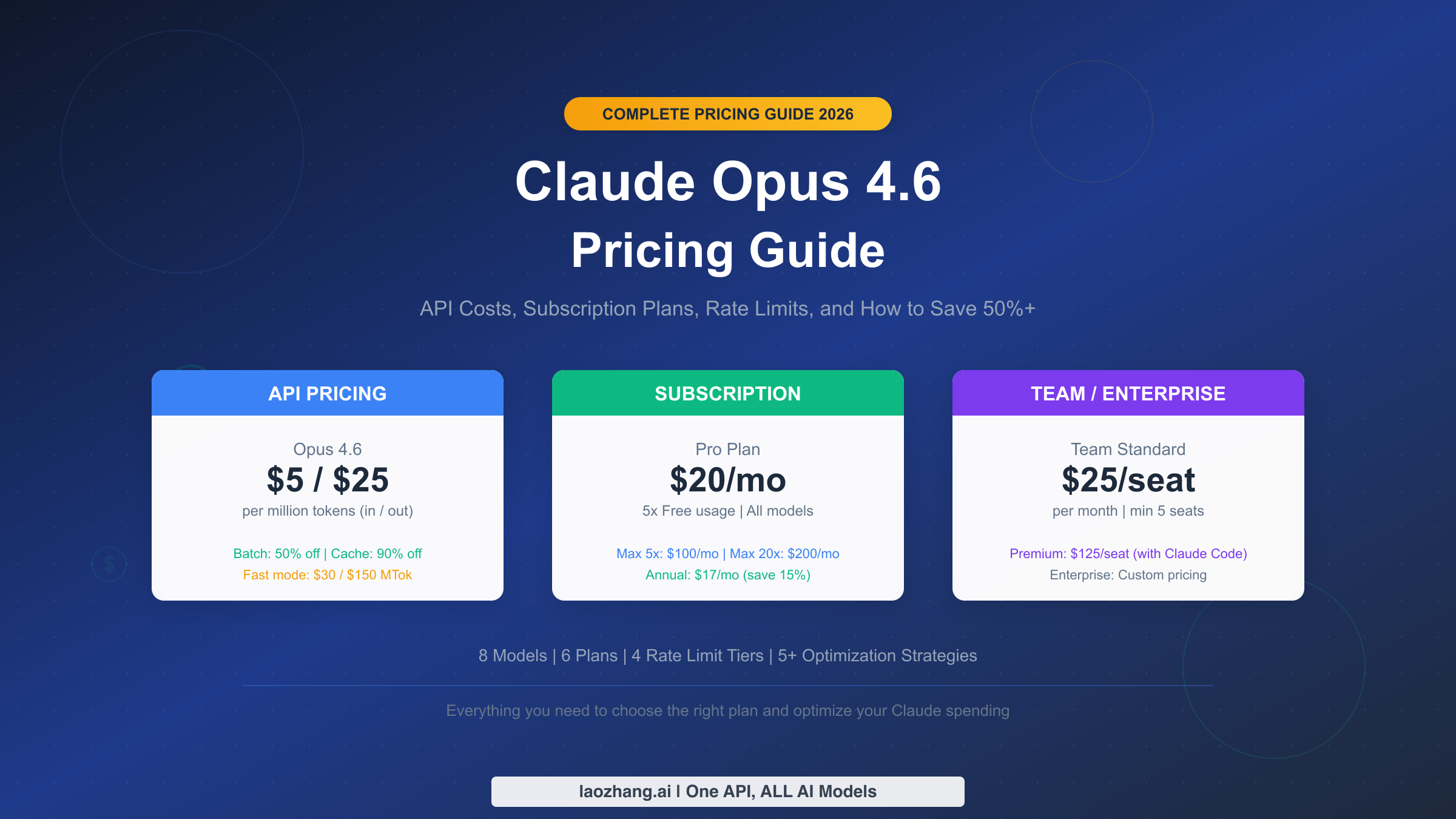
Anthropic Claude Pricing and the New AI Model Split
AI chatbots are getting harder to price, and that matters to you if you use them for work. Anthropic’s reported plan to charge extra for premium Claude models is a blunt sign that the current bundle model is under strain, and Claude pricing may soon look more like a tiered software service than a flat subscription. That shift changes more than monthly bills. It affects who gets access to the best reasoning models, how teams plan budgets, and how much trust you should place in a product that keeps moving the goalposts.
Look, this is not a tiny billing tweak. It is a signal that model quality, compute cost, and consumer expectations are colliding in public. If you rely on Claude for drafting, coding, research, or support work, you need to know where the real cost sits now, and who will pay it.
What the Claude pricing shift appears to mean
- Anthropic may separate access to its top Claude models from the standard plan.
- Users who want the best outputs could face extra fees or usage limits.
- Free or lower-cost tiers may still exist, but with tighter caps.
- Businesses may get clearer enterprise pricing before individual users do.
That is the core change. And it is not hard to understand. Running frontier models costs real money, from chips to power to inference traffic, and vendors are no longer pretending otherwise.
“The market is moving from one AI subscription to many layers of access. That is the part users will feel first.”
Why Claude pricing is changing now
AI companies spent the last two years training users to expect near-unlimited access for one monthly fee. That worked while the products were still rough and usage was easier to absorb. But once people start leaning on models for heavy tasks, the compute bill gets ugly fast.
Think of it like a gym that sold every member access to the same premium class, the sauna, and the weight room for one low fee. At some point, the math breaks. Anthropic is now behaving like a company that knows the weights are expensive.
Who gets hit first?
Power users. Agencies. Startups. Anyone running long prompts, file-heavy workflows, or repeated agent calls will feel the squeeze first. Casual users may not notice much at all, at least not at first.
One single sentence matters here.
If you use Claude once a week, this may be background noise.
How this changes the AI buying decision
For buyers, the big question is no longer “Which chatbot is smartest?” It is “Which model gives me the best value for my actual workload?” That is a different calculation, and a more honest one.
- Measure your usage. Track how often you hit limits or rerun prompts.
- Map task value. Use premium models only where better reasoning saves time or reduces mistakes.
- Compare total cost. Add subscription fees, add-ons, and team seats.
- Watch for tier drift. AI pricing changes fast, so reevaluate quarterly.
Companies should also ask whether they need one model for everything. Often they do not. A cheaper model can handle summaries and first drafts, while a premium model handles complex analysis. That split can cut spend without wrecking output quality.
What Anthropic is really signaling to the market
There is a bigger story behind Claude pricing. Anthropic is testing whether users will pay more for top-tier model behavior, not just brand name access. If that works, expect rivals to copy it. OpenAI, Google, and others are all watching this kind of move closely.
And that is where things get interesting. The old subscription logic assumed users wanted one clean monthly fee. The new logic says the best models are a premium feature, the same way airline seats or software add-ons are premium features. Fair? Maybe. Convenient? Not really.
Should you change how you use Claude now?
Yes, if you depend on it. Do not wait for the billing page to surprise you. Set internal rules for which tasks deserve premium model calls, and keep a fallback option ready for routine work.
If you are an individual user, ask yourself one hard question: do you want the smartest model available, or do you want predictable pricing? You usually do not get both. Not anymore.
The next pricing battle
Anthropic’s move will pressure the rest of the AI industry to be clearer about what users are actually buying. That is healthy, even if the bill gets messier. The companies that win will be the ones that explain limits plainly and give people control over tradeoffs.
Watch what happens next. If Claude pricing becomes a ladder of paid capabilities, the real competition will shift from model demos to cost discipline, and that is where the market will finally stop pretending compute is free.