Anthropic Sales Data Shows a Political Feud May Help Its Business
Anthropic has spent months in a tense public fight with the Trump administration, and the numbers suggest that noise may be helping it. That sounds backward, but it is not unusual. In AI, attention often moves faster than product logic, and buyers rarely make decisions in a vacuum. If you are trying to understand anthropic sales data, the real question is not whether controversy matters. It is how much it changes the sales funnel, enterprise trust, and brand recall at a time when buyers are still choosing their first serious AI vendor.
Here is the awkward part for everyone involved. A company can lose goodwill in one room and gain momentum in another. That split matters now because enterprise AI buying is still early, budgets are still fluid, and the winner often looks more credible than clever.
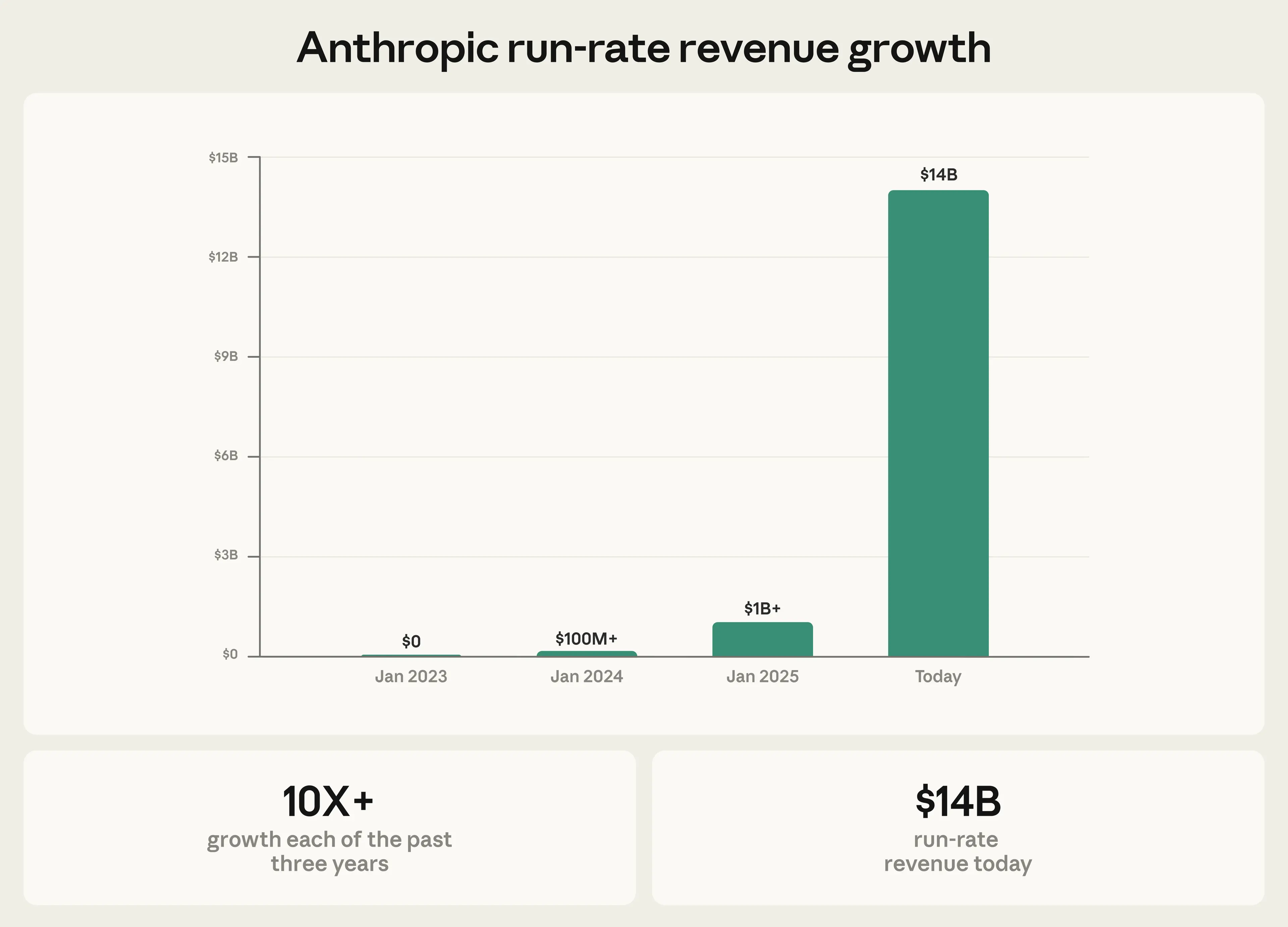
What the anthropic sales data appears to show
- Attention moved toward Anthropic after the feud intensified, which can raise awareness among buyers who were not watching before.
- Enterprise interest may have benefited because some customers prefer vendors that look willing to stand up to political pressure.
- Sales signals are still indirect. Public controversy can correlate with demand without proving causation.
- Brand meaning matters in AI procurement, especially for legal, compliance, and government-adjacent buyers.
Look, this is not a clean laboratory test. But the signal is hard to ignore. When a vendor becomes part of a larger political argument, it often gets more press, more search traffic, and more internal discussion inside companies that had not yet chosen a model provider.
Why anthropic sales data can move with politics
Enterprise software sales work a bit like restaurant reservations. A place with a long line outside gets more calls, even from people who did not plan to eat there. The same thing happens with AI vendors. Public friction creates visibility, and visibility changes the top of the funnel.
Anthropic also sells into a market where buyers care about risk. Some want strong model performance. Others want guardrails, policy discipline, and a supplier that can survive scrutiny from regulators and boards. A political clash can make those buyers ask a simple question: who looks steadier under pressure?
“In enterprise AI, reputation can be a sales asset long before it becomes a product feature.”
Does controversy always help?
No. It can backfire fast if the story shifts from principle to chaos. Buyers do not want a vendor that looks reckless, and they definitely do not want one that seems distracted from product quality.
But this case is different because the feud seems to reinforce a preexisting Anthropic posture. The company has often positioned itself as the more restrained, policy-aware AI lab. That stance can appeal to large customers who want fewer surprises. And in a market this crowded, fewer surprises is a selling point.
What buyers may be reacting to
- Trust signaling. A public stand can make a company look more deliberate.
- Media amplification. More coverage means more name recognition.
- Internal justification. Procurement teams can point to public debates as evidence they evaluated the vendor carefully.
- Contrast with rivals. If competitors look louder or more chaotic, Anthropic can look measured by comparison.
And that contrast matters. Buyers often choose the company that makes their own decision easier. They want a vendor that gives them cover, not one that adds another problem to the stack.
What this means for the AI market
The deeper lesson is simple. AI sales are not driven by benchmarks alone. Benchmarks matter, sure. But so do narrative, policy posture, and the feeling that a vendor will not become tomorrow’s headache.
That is why anthropic sales data deserves close watching. If the feud really is boosting demand, then every AI company should take note. Public conflict can be risky, but it can also sharpen a brand in ways paid marketing cannot. The catch is obvious. You need a real product behind the noise. Without that, the attention fades and the sales curve flattens.
So what should you watch next? Look at enterprise adoption, partner announcements, and whether Anthropic keeps turning attention into durable contracts. That is the part that separates a flash of publicity from a real market shift.
Right now, the smartest question is not whether controversy is good or bad. It is whether the next wave of AI buyers will reward the vendors that look toughest, calmest, or simply hardest to ignore.
A closer read on anthropic sales data
There is a second layer here, and it matters. Sales data in AI often lags the public story by weeks or months. That means a bump tied to political attention may show up slowly, then stick if the company converts curiosity into pilots and pilots into renewals.
That is the real test. Not the feud. Not the headlines. Can Anthropic turn a messy news cycle into contracts that renew next year?