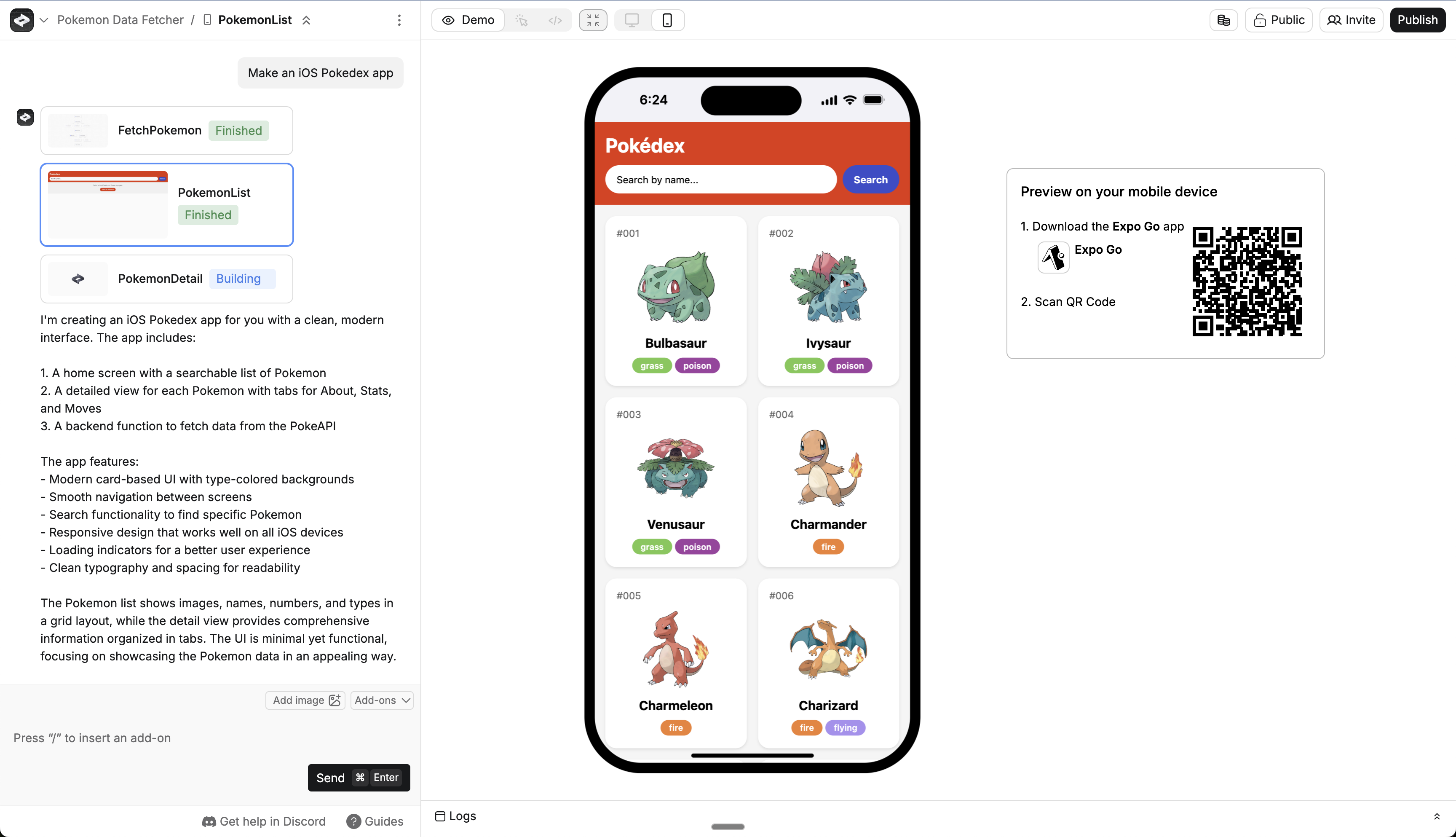
How Anything Is Rebooting Its Coding App After App Store Ejections
Apple tossed the Anything coding app out of the App Store twice, and that hurts when your users expect instant updates. The company is now rebuilding with a tighter compliance playbook and a clearer pitch. The stakes are obvious: avoid a third boot, keep developers engaged, and prove that a mobile coding sandbox can fit Apple’s rules. The Anything coding app story matters because every indie team fears the same trap. What steps actually keep a creative tool alive under strict platform policies?
What Stands Out Now
- Swift rewrite to isolate on-device execution and satisfy Apple review.
- Feature gating tied to compliance checkpoints, not just feature sprints.
- Transparent content moderation for shared code projects.
- Pricing shift toward subscriptions to fund faster review cycles.
Anything coding app comeback strategy
Think of it like a soccer club rebuilding after relegation. The roster changes fast, and the playbook gets simplified so everyone knows their lane. Anything’s team split features into greenlit, risky, and hold buckets, mapping each to App Store rules instead of internal excitement. That keeps sprints aligned with what reviewers will actually pass.
They also moved more execution on device, cutting cloud hooks that reviewers might flag as remote code execution. And they now gate new user-generated projects behind moderation workflows with human review (with a human in the loop) so flagged content never hits Apple before it is screened.
“Speed killed us twice. Now every release has a compliance checklist that ships with the code,” one product lead told me.
Failure taught the team speed.
Building trust around the Anything coding app
Users bailed during the downtime, so retention is the next hill. The team added clear in-app messaging about what changed, why permissions are requested, and how code is sandboxed. That transparency acts like a promise to both Apple and developers.
Why should any dev bet on a tool that might vanish again? Because Anything now treats risk as a product feature. Every module lists its compliance owner, so accountability is visible. And backups export to GitHub to prevent lock-in if the app stalls once more.
Practical playbook for similar apps
- Map every feature to a specific platform rule. If you cannot cite the clause, do not ship it.
- Design moderation as infrastructure, not a patch. Pre-screen shared code before it touches platform services.
- Keep a rolling submission branch with small diffs. Large bundles invite more scrutiny.
- Give users escape hatches, like export to external repos, so trust does not hinge on one storefront.
- Run shadow reviews with a mock App Review checklist before hitting submit.
Look, compliance is tedious, but it is cheaper than a takedown. And small teams can win if they treat the rules like test cases instead of blockers.
Where Anything coding app goes next
The next version pushes local-first coding, with optional cloud sync. That reduces the surface area Apple cares about while keeping collaboration intact. I expect them to publish their moderation metrics so reviewers and users see the same data. That transparency could be their best marketing.
Will Apple trust a third try? The answer hinges on whether Anything keeps treating compliance as product craft rather than paperwork. If they do, the comeback could stick.