Apple AI Suit, New York Data Centers, and the Cyclosporiasis Outbreak
If you are trying to keep up with the pace of tech news, the problem is not a lack of stories. It is the pileup. The AI lawsuit involving Apple, the fight over new data centers in New York, and a foodborne illness outbreak tied to cyclosporiasis all point to the same pressure point. Systems that once felt abstract now shape your devices, your power bills, and your dinner table.
That is why these stories matter now. They are not separate headlines. They are a test of how much control people still have when software, infrastructure, and public health collide. And look, that mix is getting harder to ignore. What happens when the companies building the future also end up in court, in permit fights, and under health alerts at the same time?
- Apple AI lawsuit disputes are about more than one company. They set rules for how AI claims get judged.
- New York’s data center moratorium shows how energy, land use, and climate policy are now part of AI’s real cost.
- Cyclosporiasis outbreaks are a reminder that supply chains can fail far from the server room.
- The common thread is accountability. Who pays, who decides, and who gets left with the risk?
Why the Apple AI lawsuit matters beyond Apple
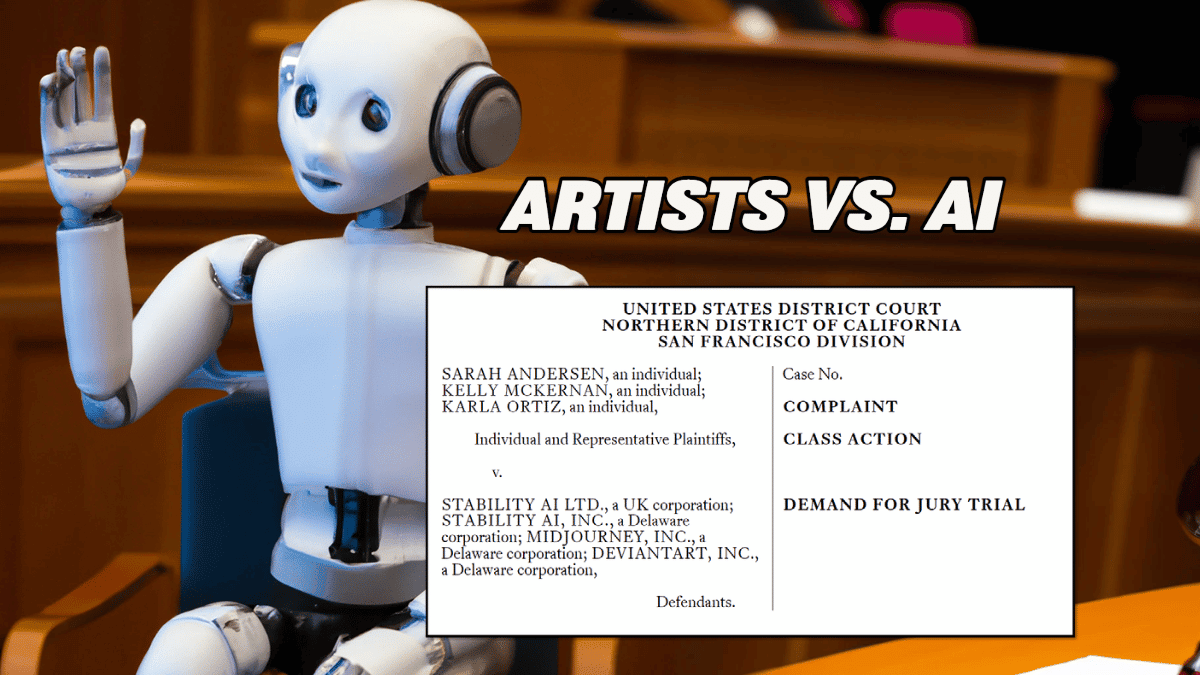
The Apple AI lawsuit is not just another corporate fight. It sits in a growing pile of legal disputes over how AI products are marketed, trained, and deployed. If a company promises more than its system can deliver, lawyers will notice. So will regulators, investors, and customers who are tired of inflated claims.
That matters because AI branding has become a race to sound inevitable. But courts do not care about launch videos. They care about evidence, disclosures, and harm. If you are building or buying AI tools, that is the real benchmark.
Tech firms can market vision. They cannot market away liability.
What this means for product teams
Teams should treat every AI claim like a contract, not a slogan. If a feature cannot reliably do what the deck says, the risk is not theoretical. It is legal, reputational, and expensive.
Here is the practical move: keep test records, track model limitations, and make sure customer-facing language matches actual product behavior. That sounds plain. It is also where companies often slip.
New York data center moratorium and the real cost of AI
The New York data center moratorium is a policy story with national teeth. Data centers need land, water, transmission capacity, and a lot of electricity. When local officials pause approvals, they are saying the grid cannot be treated like infinite plumbing.
Think of it like adding a new wing to a hospital. You do not just pour the concrete and call it progress. You need power, staffing, access roads, and backup systems. Data centers work the same way. No one gets to pretend the base load appears by magic.
And that is the part tech hype skips. AI growth is not only a software issue. It is a utility issue, a zoning issue, and a climate issue. If you are serious about AI deployment, you have to be serious about the physical footprint.
Questions the moratorium forces into the open
- How much power will new facilities consume?
- Who pays for grid upgrades?
- What happens when water use competes with local demand?
- Should communities get a direct vote on the trade-offs?
Those are not abstract questions. They decide whether AI infrastructure grows in a way people can actually live with.
Cyclosporiasis outbreak: why food safety still surprises people
The cyclosporiasis outbreak is a reminder that public health threats often move through ordinary systems. Produce travels fast. Testing is uneven. And by the time the source is clear, many people have already been exposed.
That pattern should feel familiar if you follow tech. A single weak link can spread consequences across a whole network. Food distribution works a lot like a brittle software stack. One failure upstream, and everyone downstream feels it.
Health agencies have learned this lesson the hard way. The CDC and FDA regularly investigate outbreaks that start with contaminated produce, and the delay between exposure and detection is where the damage grows. If you buy groceries for a household, that is not an abstract risk. It changes what you wash, where you shop, and how quickly you act when alerts appear.
What ties these stories together
They all expose the same weakness. Modern systems are built faster than the rules that govern them. AI products ship before the legal language is settled. Data centers grow before communities agree on the trade-offs. Food systems move before inspections can catch every fault.
That tension is not going away. So the question is simple: do we keep treating these as separate news hits, or do we start reading them as one story about power, scale, and accountability?
The next big test is not whether tech can expand. It is whether the people building it can answer for the costs before the costs land on everyone else.