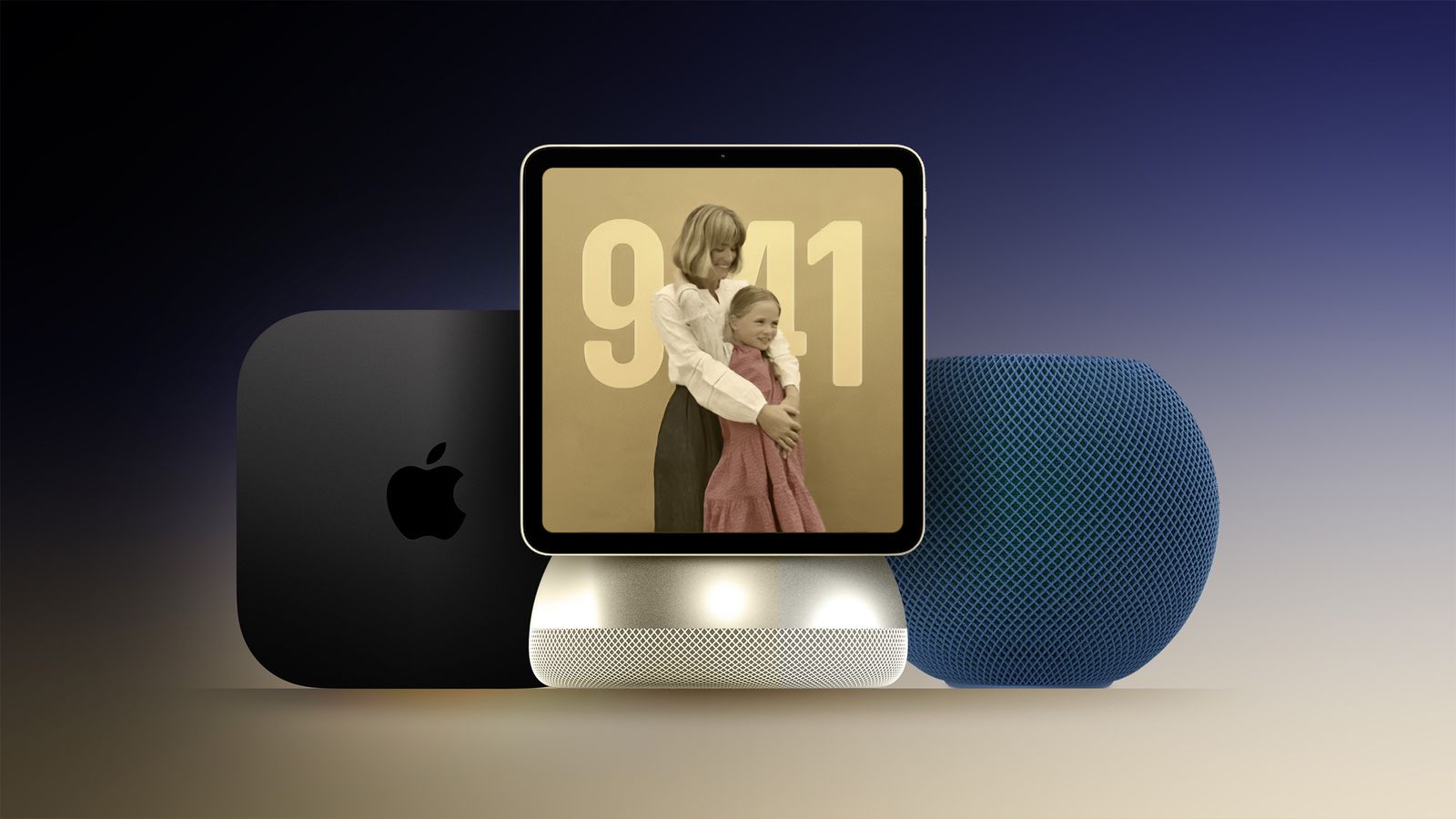
Apple HomeView Could Fix Apple’s Smart Home Problem
Your smart home should not feel like weekend tech support. That has been Apple’s problem for years, even as HomeKit gained loyal users and Matter promised easier device setup. Apple HomeView, the rumored smart home display covered by TechCrunch, now looks like Apple’s next attempt to make the home feel less fragmented. The timing matters because Amazon, Google, Samsung, and a swarm of device makers already own shelf space in kitchens and living rooms. Apple has the ecosystem, the privacy pitch, and the hardware discipline. But does it have a reason for people to buy another screen? After covering Apple’s home efforts for years, I think HomeView only works if it becomes the control point Apple never quite built.
What matters before launch
- Apple HomeView needs to make HomeKit easier for normal households, not only Apple loyalists.
- Siri has to improve enough to handle messy, everyday voice commands.
- Matter and Thread support will be non-negotiable if Apple wants broad device compatibility.
- The price must make sense beside an iPad, HomePod, and Echo Show.
Why Apple HomeView matters now
TechCrunch’s report frames Apple HomeView as a possible turning point for Apple’s smart home ambitions. That framing is fair. Apple has never lacked pieces. It has HomeKit, HomePod, Apple TV, iCloud, Siri, FaceTime, and a huge base of iPhone users. The issue has been the glue.
HomeKit can be solid once it is set up, but setup and device management still ask too much from many users. Rooms, automations, hubs, permissions, bridges, Thread networks, family access. That is a lot before anyone turns on a lamp. A dedicated Apple HomeView could hide much of that complexity behind one shared screen.
Apple does not need to invent the smart display. It needs to make the category feel less like a drawer full of remotes.
That is the opening. Amazon’s Echo Show line is useful, but it can feel ad-heavy and noisy. Google’s Nest Hub has a cleaner feel, though Google’s smart home strategy has shifted often enough to make buyers wary. Apple can win trust if it makes HomeView predictable, private, and simple to hand to a guest.
Apple HomeView must solve the shared-home problem
The iPhone is personal. The home is shared. That mismatch has dogged Apple’s smart home plans for years because one person usually sets up the system while everyone else suffers through the quirks. A wall-mounted or counter-friendly Apple HomeView could become the household dashboard.
Think of it like a restaurant pass in a busy kitchen. The chef, servers, and expediters all need one place to see what is happening. In a home, that means lights, locks, cameras, climate, music, reminders, grocery lists, calls, and scenes. Not a dozen apps. One trusted spot.
Here is what Apple should put front and center:
- Fast room controls: Lights, temperature, shades, and locks should take one tap, not three screens.
- Household profiles: Kids, guests, and caregivers need simple permissions with clear limits.
- Camera snapshots: Doorbell and security camera views should load quickly, with strong privacy settings.
- Context-aware scenes: Morning, bedtime, away, and movie mode should be easy to edit.
- Shared lists and timers: Kitchen use matters. Apple should not treat this as a side feature.
Look, none of this sounds flashy. That is the point. Smart home gear fails when it chases novelty over routine. The winning device is the one your family uses without thinking.
Apple HomeView and Siri: the uncomfortable question
Can Apple HomeView succeed if Siri still trails Alexa and Google Assistant in flexible voice control? That is the uncomfortable question. Voice is not the whole product, but in the home it matters because your hands are often full. Cooking, carrying laundry, holding a child, fixing a router (we have all been there).
Apple has been pushing more on-device intelligence across its products, and that could help. Home commands do not always need a cloud round trip. A device that can understand “turn off the lights down here” or “lock everything except the patio door” would feel more natural than today’s rigid command style. But Apple needs reliability, not theater.
Siri cannot be the weak link. If HomeView ships with a sharp display, polished materials, and the same old voice misses, reviewers will hammer it by day two. Consumers may be less dramatic, but they notice when a device makes them repeat themselves.
Apple HomeView needs Matter done right
Matter was supposed to make smart home buying less painful. In practice, it has helped, but it has not erased confusion. Some devices support Matter over Wi-Fi. Some use Thread. Some need a hub. Some expose only part of their feature set across platforms. Buyers do not want to learn protocol trivia.
Apple HomeView should act as a clear Matter and Thread command center. If a device works well, say so. If it works with limits, explain those limits in plain language during setup. Apple is good at hiding complexity, but here it must also tell the truth.
That may sound small, yet it is where trust gets built. If a thermostat, sensor, or lock behaves differently in the Home app than it does in the maker’s app, users blame the system. Apple can reduce that pain with better certification labels, cleaner onboarding, and local diagnostics that tell you why a device dropped offline.
Where Apple HomeView fits beside iPad and HomePod
The biggest product question is simple: why not use an iPad? Apple has to answer that with hardware and software choices that make HomeView feel purpose-built. A docked iPad is flexible, but it is also personal, portable, and often missing when someone needs it. A HomeView device should be communal and always ready.
HomePod also complicates the pitch. If HomeView includes speakers, microphones, Siri, and smart home hub features, it may overlap with HomePod mini and the larger HomePod. Apple can manage that if it treats HomeView as the visual layer and HomePod as the audio layer. The trouble starts if pricing makes buyers choose between them.
My read: Apple should not chase the cheapest Echo Show. It should chase the “buy once and stop fiddling” crowd. A higher price can work if the device replaces confusion with calm. But if Apple prices it like a luxury iPad accessory, HomeView will stay niche.
Privacy could help Apple HomeView stand apart
Apple’s privacy story gives it a real edge in the home, especially with cameras, microphones, and family data. People are more sensitive about devices that sit in kitchens and bedrooms than they are about a phone in a pocket. Apple should lean into local processing, clear recording indicators, and simple camera controls.
The company also needs to avoid a trap. Privacy cannot become an excuse for weaker features. Users will accept limits if the tradeoff is clear, but they will not accept a smart display that feels dim next to rivals. The sweet spot is practical privacy. Local requests when possible, encrypted video, transparent settings, and no weird ad creep on the home screen.
What would make Apple HomeView a real success?
Apple HomeView does not need to dominate unit sales in year one. Apple rarely wins new home categories by acting desperate. Success would look more like slow household adoption, strong retention, and a rise in HomeKit device use. If people buy more locks, lights, cameras, and sensors because HomeView makes them less annoying, Apple wins.
Here are the signs I would watch after launch:
- Do third-party device makers promote HomeKit and Matter support more aggressively?
- Do families use HomeView daily for shared tasks, not only smart home controls?
- Does Siri handle natural home commands with fewer failures?
- Does Apple keep the interface calm, or does it crowd the screen with services?
- Does HomeView make Apple TV and HomePod feel more useful together?
The smart home has never needed more gadgets. It has needed fewer headaches. If Apple HomeView gives you a shared control center that your family actually trusts, it could become the first Apple home product that feels essential rather than optional. If not, it will be another pretty screen asking for counter space.
The next move Apple has to get right
Apple should treat HomeView as infrastructure, not decor. Nail setup, nail Siri, nail Matter, and keep the interface focused on the jobs people repeat every day. The smart home race will not be won by the loudest assistant. It will be won by the system that works at 6:30 a.m., before coffee, when someone just wants the lights on and the door locked.


