Apple Vision Pro Exec Reportedly Leaves for OpenAI
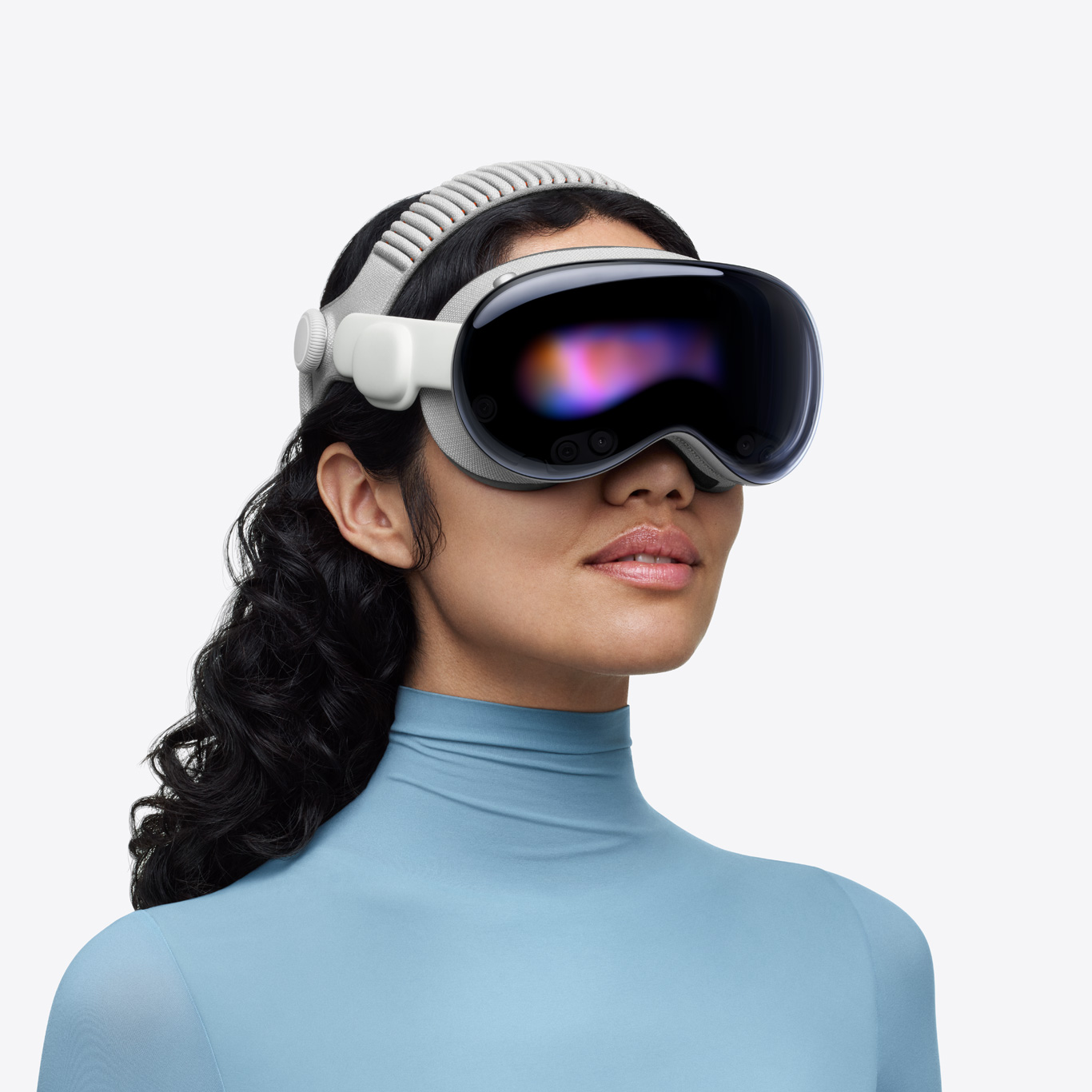
Apple has spent years pitching Vision Pro as the start of a new computing era. But talent moves tell their own story, and this one matters. A reported Apple Vision Pro executive leaving for OpenAI is not just a personnel note. It points to the fight over who gets to define the next interface between people, software, and AI. If you care about Apple Vision Pro, the bigger question is simple. Can Apple keep enough product and platform talent while OpenAI keeps pulling in people who know how premium hardware ships, scales, and survives real-world use?
That tension is real now because AI companies are no longer staying in software lanes. They want devices, sensors, and operating layers. Apple wants the opposite. It wants to keep the stack tight. So when a key Vision Pro figure reportedly heads to OpenAI, you should read it as a signal about where the industry thinks momentum is going. Not hype. Strategy.
What stands out about the Apple Vision Pro move
- It shows talent is moving toward AI-first product teams. That is where the money, attention, and narrative are.
- It puts pressure on Apple’s spatial computing roadmap. Vision Pro needs steady product leadership, not churn.
- It suggests OpenAI wants hardware experience inside the room. That matters if it plans to build beyond chatbots.
- It raises the cost of execution for Apple. Hardware teams hate disruption. They need continuity.
Why this Apple Vision Pro departure matters
Hardware teams are like kitchens during a busy dinner rush. If the head chef leaves, the menu does not change overnight, but the timing, the standards, and the pressure all shift. Apple Vision Pro is still early, and early products are fragile. They depend on a small group of people who know how to balance display tech, software polish, ergonomics, and manufacturing limits.
OpenAI, by contrast, has a different kind of pull. It is not selling a headset today, but it has become one of the few companies that can attract senior operators who want to shape the next platform layer. And yes, that includes people who understand hardware ambition, supply chain tradeoffs, and launch discipline. Who would not want to be in the middle of that fight?
Talent moves are often the clearest product roadmap you get. A company rarely hires for yesterday.
Apple Vision Pro and the AI hardware race
Apple still owns the premium device playbook. It knows how to ship high-end hardware, control the user experience, and keep the ecosystem tight. But Apple Vision Pro also exposed the limits of that playbook. The device was impressive, expensive, and limited in day-to-day use. That mix is fine for a first release. It is a problem if the roadmap stalls.
OpenAI does not need to copy Apple. It needs to outflank it. The company can pair model capability with product experimentation, then decide what hardware shape best serves those systems. That could be a wearable, a companion device, or something stranger. The point is control. If OpenAI wants to influence the interface layer, hiring people with Vision Pro experience makes sense.
What Apple needs to protect now
- Product continuity. Big hardware bets need leaders who can stay through the awkward middle years.
- Cross-team alignment. Vision Pro sits between design, silicon, software, and services. One weak link slows everything.
- Developer confidence. Third-party builders want to know the platform will not drift.
- Public patience. Apple has to prove Vision Pro is a platform, not a one-off demo device.
Look, leadership exits happen at every major company. But timing matters. If the move lands while Apple is still shaping the next Vision Pro chapter, it adds friction. Not fatal. Just annoying in the way that ruins quarters and complicates launches.
What this says about OpenAI’s hardware ambitions
OpenAI has been building a broader identity. It is no longer just a model company. It is acting like a platform company with ambitions that reach into interfaces, agents, and possibly consumer hardware. Bringing in someone from Apple Vision Pro would fit that pattern neatly.
That does not mean OpenAI is about to ship a headset. It means the company is stockpiling judgment. And judgment is the scarce part. Anyone can sketch a device. Far fewer people know how to make one feel natural, keep it reliable, and ship it at scale without turning the experience into a science fair project (Apple knows this better than most).
The real competitive issue
The real issue is not whether OpenAI can beat Apple at hardware tomorrow. It is whether OpenAI can recruit enough people who understand premium device execution before Apple locks up the next wave of interfaces. Apple Vision Pro is part of that race, but only part. The larger battle is over who owns the front door to AI.
That front door may not look like a phone for long.
What to watch next
If you track this space, watch for three things. First, whether Apple backfills the role with someone equally senior. Second, whether the company changes its Vision Pro messaging toward enterprise, entertainment, or lighter wearable tech. Third, whether OpenAI starts making more hires with headset, AR, or consumer device backgrounds.
The move itself is one datapoint. The hiring pattern after it is the story. And if you are betting on where AI and hardware meet next, that is the trail worth following. What kind of device team gets built when the best people stop thinking in app icons and start thinking in environments?