Aroldis Chapman Hugs Spark Red Sox Buzz
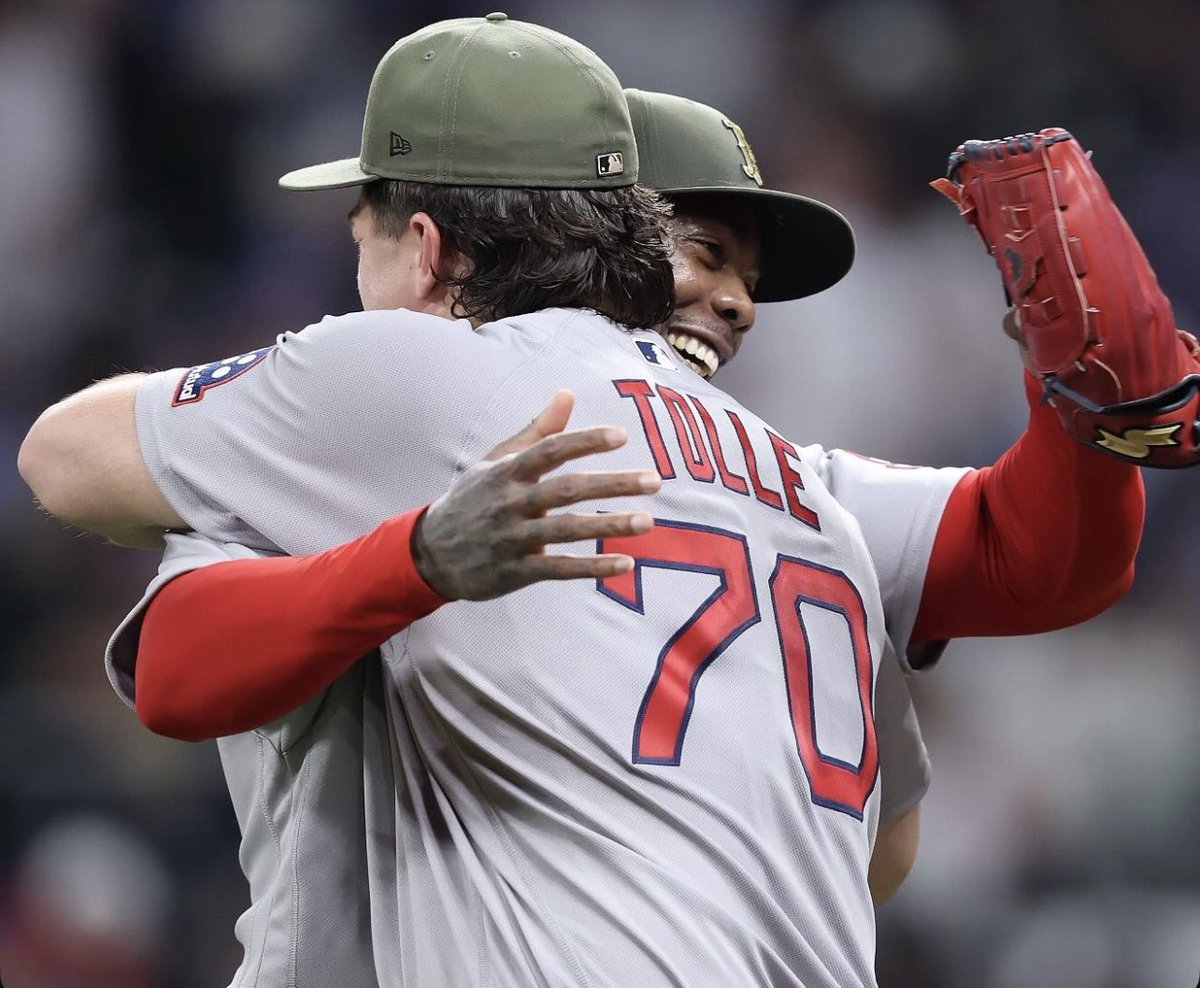
Red Sox fans can turn a small clubhouse moment into a full-blown debate in minutes. That is exactly what happened after Aroldis Chapman hugs made the rounds on social media and drew a wave of reactions. Some fans saw a harmless show of chemistry. Others treated it like a revealing glimpse into Boston’s mood, leadership, and late-season edge. Why did this clip travel so fast? Because every tiny detail around the Red Sox gets magnified when the team is under pressure, and Chapman is not a low-profile player. He brings a long track record, a hard-throwing reputation, and plenty of opinions with him. So when a brief moment gets attention online, it stops being just a moment. It becomes a referendum on the team, fair or not.
What stood out right away
- The Aroldis Chapman hugs clip spread because Red Sox fans read meaning into clubhouse body language.
- Chapman remains a polarizing figure, so even routine interactions pull stronger reactions than usual.
- The moment fed a bigger conversation about team chemistry, trust, and Boston’s bullpen identity.
- Social media did what it always does with sports. It turned a few seconds into a larger story.
Why the Aroldis Chapman hugs clip hit such a nerve
Look, baseball is full of quiet rituals, quick jokes, and ordinary gestures that rarely matter outside the room. But in Boston, ordinary does not stay ordinary for long. Fans and media have spent years trying to read the emotional temperature of this club, especially during stretches when the bullpen or the clubhouse dynamic becomes a talking point.
Chapman adds extra voltage to that conversation. He is a veteran reliever with name recognition, playoff history, and a public image that still draws strong feelings. So when Aroldis Chapman hugs teammates, or team staff, and the clip lands online, people do not watch it in a vacuum. They attach it to everything they already think about him and the Red Sox.
In baseball, body language gets studied like game tape. Sometimes that tells you something real. Sometimes it tells you more about the audience than the team.
What actually matters about Aroldis Chapman hugs and team chemistry
Here is the part worth separating from the noise. A hug, by itself, proves almost nothing about a clubhouse. Teams can look loose on camera and still have issues behind closed doors. They can also look flat in public and be tightly connected where it counts.
Still, these moments are not useless. They can hint at comfort, trust, and routine. And for a reliever like Chapman, who works in high-stress innings, being woven into the group matters. Bullpens run a bit like a kitchen during dinner rush. If people know their role, trust the timing, and communicate without friction, the whole thing works smoother.
That matters.
The bigger point is not whether a hug means the Red Sox have perfect chemistry. It is whether Chapman appears engaged and accepted in the daily rhythm of the club. If he does, that helps. If he does not, people notice fast.
The Red Sox social media machine never misses a chance
Sports fandom online thrives on tiny clues. A dugout laugh becomes proof of unity. A blank stare becomes proof of tension. This time, the Aroldis Chapman hugs clip fit a pattern fans already understand. If there is visual evidence, people will project a whole season onto it.
And honestly, that is part of the deal now. X, Instagram, TikTok, and team-adjacent accounts all turn short clips into running commentary. The Red Sox are one of the few MLB brands where even a fleeting exchange can become a day-long conversation. That is not always rational, but it is real.
Why fans reacted so strongly
- Chapman’s profile is large. He is not a fringe reliever. Every public moment carries extra weight.
- Boston is microscope territory. Fans hunt for signs of momentum, tension, or buy-in.
- Video beats context. A short clip is easy to share and easier to overread.
- The bullpen is always under review. Relief pitching shapes wins and losses in a hurry.
What this says about Chapman in Boston
If you strip away the online performance, the useful question is simple. Does Chapman look like a player settling into the Red Sox environment? From a team standpoint, that matters far more than whether a clip trends for a few hours.
Veteran relievers can steady a bullpen, but only if they fit the room as well as the role. That does not mean everyone needs to be best friends. It means the group has to function under stress, recover fast, and avoid small fractures becoming big problems. The best bullpens often resemble a good infield defense. Quiet, coordinated, and dependable.
So yes, Aroldis Chapman hugs may be a tiny data point. But they are still a data point, especially for people tracking how Boston’s veterans connect with the rest of the roster.
Should Red Sox fans read into it?
Some of it, sure. All of it? No chance.
Fans are right to care about chemistry because chemistry can shape effort, resilience, and how clubs handle rough patches. But chemistry is also one of the easiest things to fake from the outside. A camera catches one angle, one second, one interaction. It misses the blunt conversations, the daily grind, the recovery work, and the less visible forms of respect that actually hold a team together.
So ask a better question. Does the public moment line up with what you see on the field, in roles, and in the club’s overall energy? If the answer is yes, then the clip supports a broader pattern. If not, it is probably just a clip.
The bigger lesson from the Aroldis Chapman hugs frenzy
This story says as much about modern sports culture as it does about Chapman or the Red Sox. Fans do not just watch games now. They study facial expressions, replay dugout shots, and build theories from fragments. Sometimes they are sharp. Sometimes they are wildly off.
But the appetite is not going away. Teams live in public, and players become symbols for bigger arguments about effort, fit, leadership, and pressure. Chapman sits right in the middle of that kind of attention. Every contender has a few players like this. Boston just amplifies the effect.
(And if the Red Sox keep winning, the same clip gets framed as proof of togetherness instead of something to dissect.)
What to watch next in Boston
If you want a clearer read than social media can give you, keep your eye on a few practical signals over the next stretch of games.
- Chapman’s usage in big spots. Trust shows up in leverage innings.
- Bullpen response after bad losses. Tight groups tend to reset faster.
- Manager and teammate comments. Public praise is not everything, but patterns matter.
- Dugout and bullpen energy over time. One clip is noise. Repeated habits tell a fuller story.
That is the real test. Not one viral video, but whether Chapman looks embedded in a bullpen the Red Sox can count on when games get narrow and ugly. The internet had its fun with the Aroldis Chapman hugs moment. The next week of baseball will tell you more than the next hundred posts ever could. So the smarter move is simple. Watch the innings that matter, then decide what the clip was actually worth.