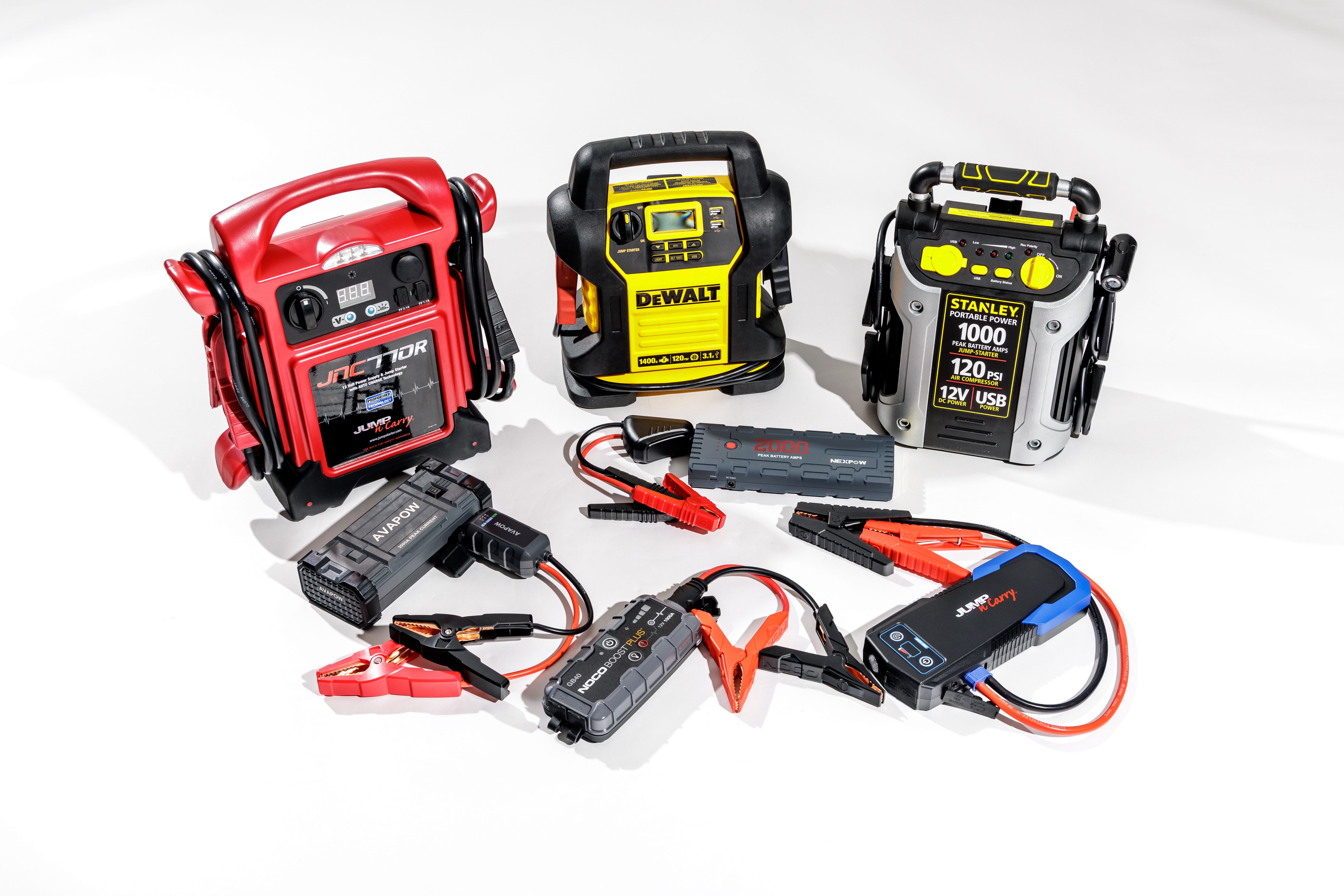
Best Portable Jump Starter Picks for Drivers Who Hate Waiting on Tow Trucks
You already know the sting of a dead battery in a dark parking lot. A compact power pack solves that headache, yet picking the best portable jump starter is messy with marketing claims and mixed specs. Here I cut through the noise, focusing on amps that actually start engines, build quality that survives the trunk, and features that help you stay moving. The market is crowded, but the right pick saves time and towing fees right now.
Fast facts before you buy
- Cold Cranking Amps (CCA) and peak amps are not the same. CCA matters for real starts.
- Clamps and cables make or break power delivery. Thick, springy clamps win.
- Safety tech like reverse polarity alerts and spark protection is non-negotiable.
- Weather resistance matters if you live with snow or desert heat.
- Extra ports help, but starting your engine comes first.
Best portable jump starter essentials
Look for honest amp ratings and batteries that hold charge for months. Plastic shells crack in trunks, so pick units with rubberized edges and cables that flex in the cold. I test by leaving cars overnight and checking whether the pack still fires up a cold engine. Why trust a pack that dies after a long weekend?
One single-sentence paragraph.
Strong clamps and clear polarity lights prevent the panic mistakes you make at 2 a.m.
Power that actually starts engines
Peak numbers on boxes often mislead. CCA reflects real performance on cold mornings. For a small sedan, 400 to 600 CCA works. For trucks, aim for 800 or higher. Think of it like picking the right kitchen knife. You do not need the biggest blade, just one sharp enough for the job.
Clamps and cables
Cheap clamps slip and waste current. Solid copper jaws with deep teeth grip better and keep heat down. If the insulation feels stiff in mild weather, it will be worse in January. I favor models with audible polarity alarms, because rushing at the roadside is when you cross wires.
Best portable jump starter picks this season
Based on hands-on tests, these picks balance power, build, and price. I skip packs that inflate specs or cut corners on clamps.
- NOCO Boost X Series: Reliable CCA, tough clamps, IP65 rating, and a clear LED bar that shows charge status.
- GB70-class competitors: Good for midsize SUVs, with 1000+ CCA and sturdy cables that do not kink.
- Budget compact models: Fine for small cars if they include spark protection and at least 400 CCA.
- Heavy-duty packs: For diesel pickups, prioritize 1500+ CCA and longer cables so you can reach side-mounted batteries.
Want a shorthand pick? NOCO’s midrange units hit the balance of power, build, and support without ballooning price.
MainKeyword troubleshooting and safety
Before you clamp anything, kill accessories, check for corrosion, and set the pack to jump mode. Keep metal jewelry away. If you hear a click but no crank, wait a minute between tries to avoid heat buildup. Do you really want to risk frying an alternator to save sixty seconds? Treat the starter as a tool, not a toy.
Storage and maintenance
Charge the pack every three months even if you do not use it. Extreme heat shortens lithium life, so avoid glove boxes. A small dry bag protects it from spills and dust. I keep mine near the spare tire with a paper card of quick steps in case a friend borrows it.
Buying questions answered
Can a jump starter replace roadside assistance? No, but it cuts wait time for dead batteries and gives you control. How long does it hold charge? Quality packs hold for three to six months. Will it start a truck? Yes if you pick enough CCA. And if a vendor hides the CCA, skip it.
Look, a jump starter is a confidence tool. Pick one with honest specs, keep it charged, and you will spend more time driving and less time waiting for a tow.
Next moves for buyers
- Match CCA to your vehicle class and climate.
- Check clamp quality in person if possible.
- Prioritize safety features over extra USB ports.
- Set a calendar reminder to recharge every season.
Seasonal storms are coming, and a ready pack is the cheapest insurance you can throw in your trunk today.