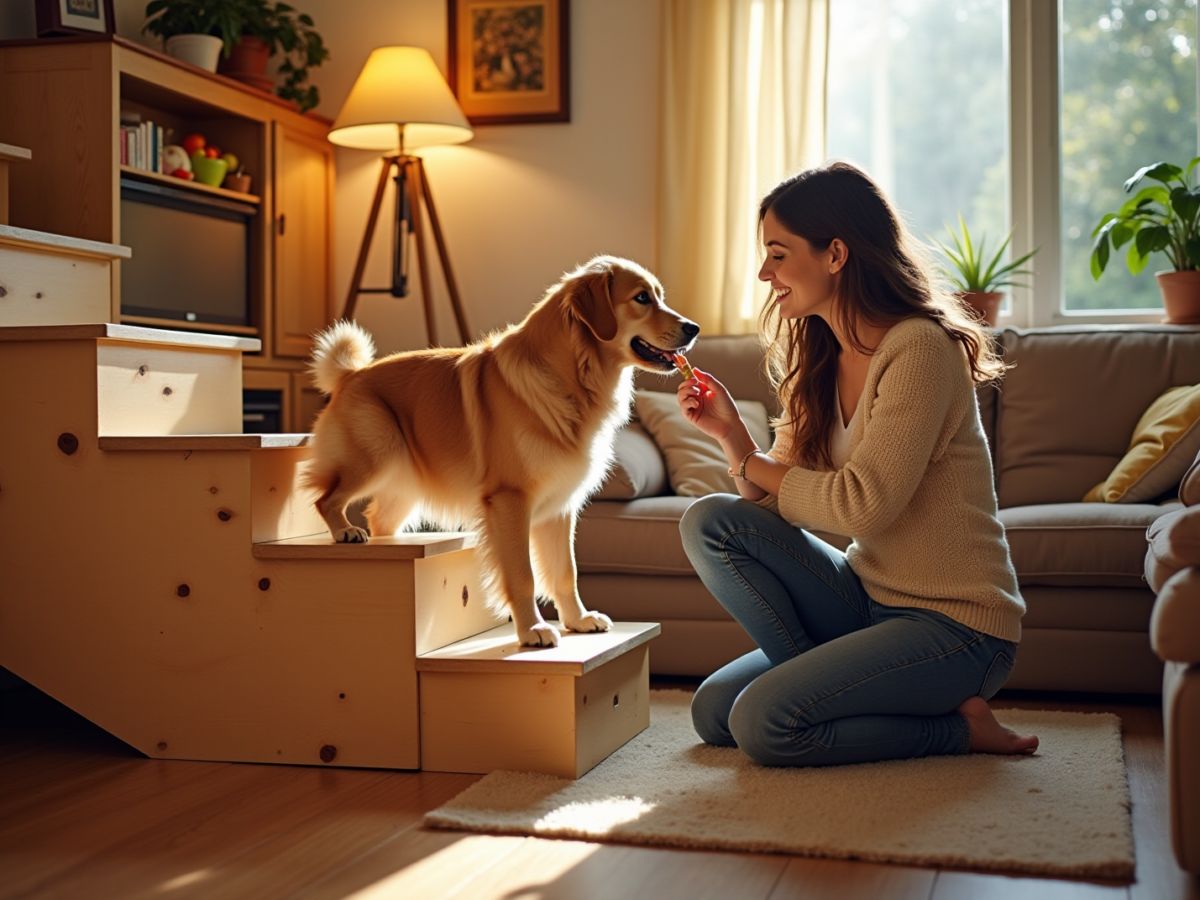
Border Collie Coach: Foster Puppy Stair Training Done Right
You bring home a foster pup and suddenly every staircase looks like a canyon. That fear is real, and it slows socialization and house training. Watching a confident dog model the climb can fix that faster than any treat pouch. In the viral clip of a border collie coaxing a foster puppy down the steps, you see the blueprint for foster puppy stair training: clear cues, safety checks, and calm repetition. Here’s how to apply that at home without risking a tumble or stressing the new arrival.
Highlights You Can Use Today
- Model the behavior with a steady dog and slow, short sessions.
- Keep stairs clear, well lit, and non-slip to prevent accidents.
- Use food lures sparingly; praise and tone often work better.
- Stop before fatigue; one clean rep beats five sloppy ones.
Why Foster Puppy Stair Training Works
Dogs learn by watching. A seasoned border collie moving down the steps shows the pup where to place paws and how to pace the descent. Think of it like a point guard teaching a rookie the pick-and-roll. The mentor controls speed, creates space, and the rookie follows the lane. Does your current setup make that kind of shadowing easy?
Confidence on stairs is a safety skill, not a party trick.
Set Up a Safe Stair Zone
Start with basics: tight carpets or anti-slip strips, bright lights, and no clutter. If your stairs are slick wood, add temporary runners. Check railing gaps so tiny heads cannot squeeze through. One sentence here.
Main Gear for Control
- Harness with front clip for better steering.
- Short leash to avoid tangles.
- High-value treats in a pocket, not a bag that swings.
Keep a baby gate at the top to prevent unsupervised dashes (a cheap insurance policy).
How to Coach the First Descent
Place the mentor dog on leash beside you. Clip the foster pup to a separate handler or tether. Cue the mentor to move one step, then pause. Mark and praise. Invite the pup forward with a soft voice, not a pulled lead. If the puppy freezes, let the mentor return up one step to reset the pattern. The goal: build a rhythm that feels predictable.
Skip the temptation to carry the puppy. That only delays learning and can create reliance on you instead of the stairs.
Handling Hesitation Without Pressure
- Lower the challenge: use the bottom three steps before tackling the full flight.
- Change footing: lay a folded towel for traction on the first step.
- Adjust tempo: slow clap or verbal count can anchor timing.
Watch for stress signals such as tongue flicks or yawns. Stop there and reward the try.
Reinforcement That Sticks
Food is useful, but overusing it can pull a puppy off balance. Mix in tactile praise and calm “good” markers. Vary the reward schedule once the puppy shows confidence so you do not create a treat dependency. And avoid repeating the same cue word endlessly; clarity beats noise.
Think of reinforcement as spotting in the gym. You are close, supporting, but you let the dog do the rep.
Building Up: From Three Steps to a Full Flight
After a few clean micro-sets, add two more steps. Keep the mentor dog in sync to prevent racing. If the puppy rushes, restart with slower pacing. Progress should feel like slow roasting, not microwaving—steady heat, better results.
Frequency and Rest
Two to three short sessions a day is plenty. Muscles need breaks, and so does the puppy’s attention span. End on a win, even if that win is a single confident step.
What If You Have No Mentor Dog?
Use a stable training dummy or your own feet as markers. Sit on the steps and lure the puppy down one at a time. You can tap each step to show the landing spot. Pair that with a calm “step” cue. This mimics the visual guide a border collie provided in the video, minus the wagging tail.
Safety Red Flags
Stop training and call a vet if you see limping, reluctance to bear weight, or repeated sliding. Puppies with hip issues or long backs (think dachshunds) may need ramps instead of stairs. Always check nails; long nails reduce grip.
Where to Go Next
Once the puppy owns the stairs, expand confidence to curbs, ramps, and elevators. The goal is a dog that moves through your home and city without fear. Ready to let that border collie calm do more work for you?