California Utility Rates and the Push for Faster Wildfire Prevention
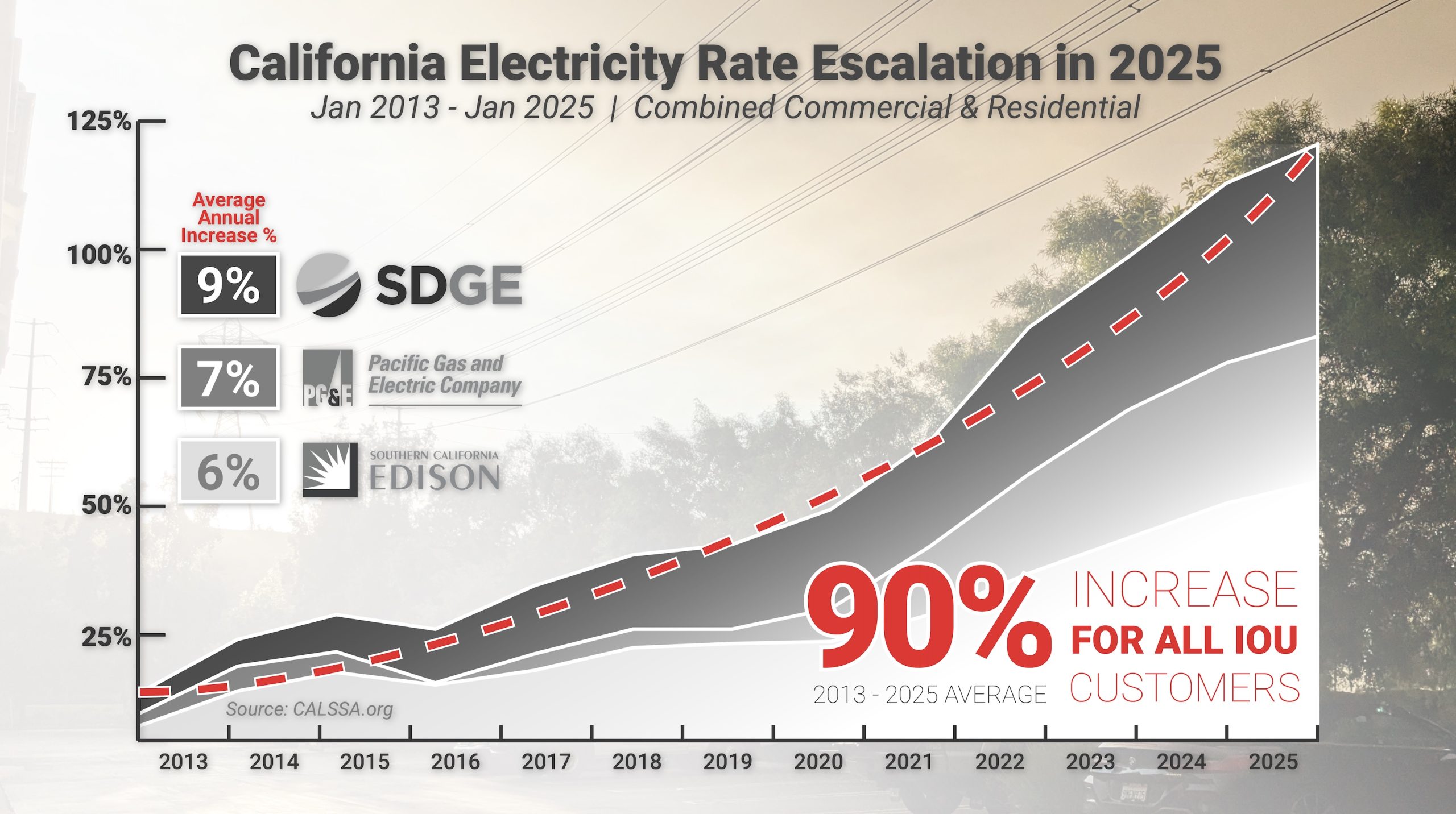
California utility rates keep climbing, and you are paying for it every month. That is why the debate over wildfire prevention matters now. The state is still trying to balance two hard truths at once. Utilities need to spend heavily on grid hardening, vegetation management, and other safety work. But customers want a bill they can live with, not a blank check. The fight is not abstract. It shapes whether power companies move fast enough to reduce fire risk, and whether regulators let them pass more of that cost to you. So what should matter most, speed, price, or proof that the work actually lowers danger?
What California utility rates are really paying for
- Grid hardening, such as stronger poles, covered lines, and undergrounding in some areas.
- Vegetation management, which means clearing trees and brush near equipment.
- Inspections and maintenance, including camera systems, sensors, and field crews.
- Wildfire liability costs, which can hit utilities after major fire events.
These costs stack up fast. The California Public Utilities Commission has approved large spending plans for wildfire mitigation over several years, and utilities argue they need that money to reduce ignition risk. Ratepayers see a different picture. They see monthly bills rising while public trust stays shaky.
The core problem is simple. People are being asked to fund safety work that they cannot easily verify.
Why wildfire prevention keeps driving utility rates higher
California has a brutal setup. Hotter weather, dry fuel, and old infrastructure make wildfires more likely, and utilities face huge penalties when equipment sparks a blaze. That pushes companies toward big capital projects and more operating spending. Undergrounding lines, for example, can cost far more than trimming vegetation, but it may offer better protection in some high-risk zones.
Think of it like remodeling a house while the kitchen is on fire. You can patch the damage, or you can spend more to rebuild the weak spots. But every fix has a price, and not every fix gives the same return.
“Ratepayers should not fund every possible project just because it sounds safe. Regulators need proof that each dollar cuts risk in a measurable way.”
The California Public Utilities Commission, the Office of Public Advocate, and wildfire experts all keep circling the same issue. Which projects deliver the most risk reduction per dollar? That question should drive the next round of approvals. Not hype. Not pressure from utility lobbyists. Hard numbers.
How California utility rates get approved
Utility rate increases usually move through a slow regulatory process. Companies file spending requests. The CPUC reviews them. Consumer advocates, environmental groups, and local governments weigh in. In the end, regulators decide how much cost can go into rates.
- Utilities submit wildfire mitigation and capital spending plans.
- Regulators test the numbers and compare them with past performance.
- Advocates challenge costs that look bloated or poorly justified.
- The CPUC approves, trims, or delays parts of the request.
That process sounds tidy on paper. In practice, it can feel like moving through molasses. And while the case drags on, companies keep spending and customers keep paying. That gap is one reason California utility rates have become such a political flash point.
What you should watch in the next rate case
Look for three things.
- Performance metrics. Did the utility actually reduce fire starts, outages, or equipment failures?
- Targeted spending. Is the money going to the highest-risk regions, or spread too thin?
- Bill impact. Are lower-income customers shielded, or just told to absorb the hit?
If those answers are fuzzy, rate hikes are on weak ground. And regulators know it.
California utility rates and the customer pain point
For many households, the monthly bill is already a stress point. Electric rates in California are among the highest in the country, according to regular comparisons from the U.S. Energy Information Administration. Add wildfire costs, and the pressure gets worse. Small businesses feel it too. So do renters who have no control over the building’s efficiency but still absorb the bill through higher rents or utility charges.
California has tried some relief tools, including income-based help and special billing programs, but those do not erase the bigger trend. Rising system costs keep feeding into rates. If utilities want public support, they need to show real progress, not just bigger budgets.
Here is the hard truth. Safety spending is non-negotiable in a state this exposed, but open-ended spending is not.
What would a better approach look like?
A smarter model would put more weight on proof, speed, and local risk. That means approving faster work in the most dangerous zones and slowing down low-value projects elsewhere. It also means comparing alternatives honestly. Sometimes a mix of undergrounding, sensors, and tree management will beat one giant construction plan.
California does not need a slogan. It needs a scorecard.
Better utility oversight should ask:
- Which neighborhoods face the highest ignition risk?
- Which fixes cut that risk the most?
- Which costs can be delayed without making the grid less safe?
- How will customers see the savings, if any, on future bills?
That is the practical test. Not whether the plan sounds ambitious. Whether it works.
The next pressure point for California utility rates
The next fight will probably center on who pays, how fast, and for what. Utilities will keep arguing that wildfire prevention is urgent. Consumer groups will keep asking why bills rise before the public sees clear results. Regulators are stuck in the middle.
And honestly, that is where the real story lives. If California cannot tie wildfire spending to measurable risk cuts, ratepayers will keep footing a larger bill with little confidence that the system is safer. The next approval cycle will tell us a lot. Will regulators demand sharper proof, or will California utility rates keep rising on faith alone?