Car Accident Naperville IL Steps That Protect Your Claim
After a crash, you have two problems at once. You need to deal with injuries, car damage, and insurance calls. And you need to avoid mistakes that can weaken your case before you even know how badly you are hurt. That is why understanding the right car accident Naperville IL steps matters right away. A small misstep at the scene, a delayed doctor visit, or a careless statement to an insurer can cost you time and money. The good news is that the first moves are fairly simple. Stay safe, document what happened, get checked by a medical professional, and keep your records in order. Those basics sound obvious, but people miss them all the time. Why? Because a crash scrambles your judgment, a bit like trying to call a football play after a blindside hit.
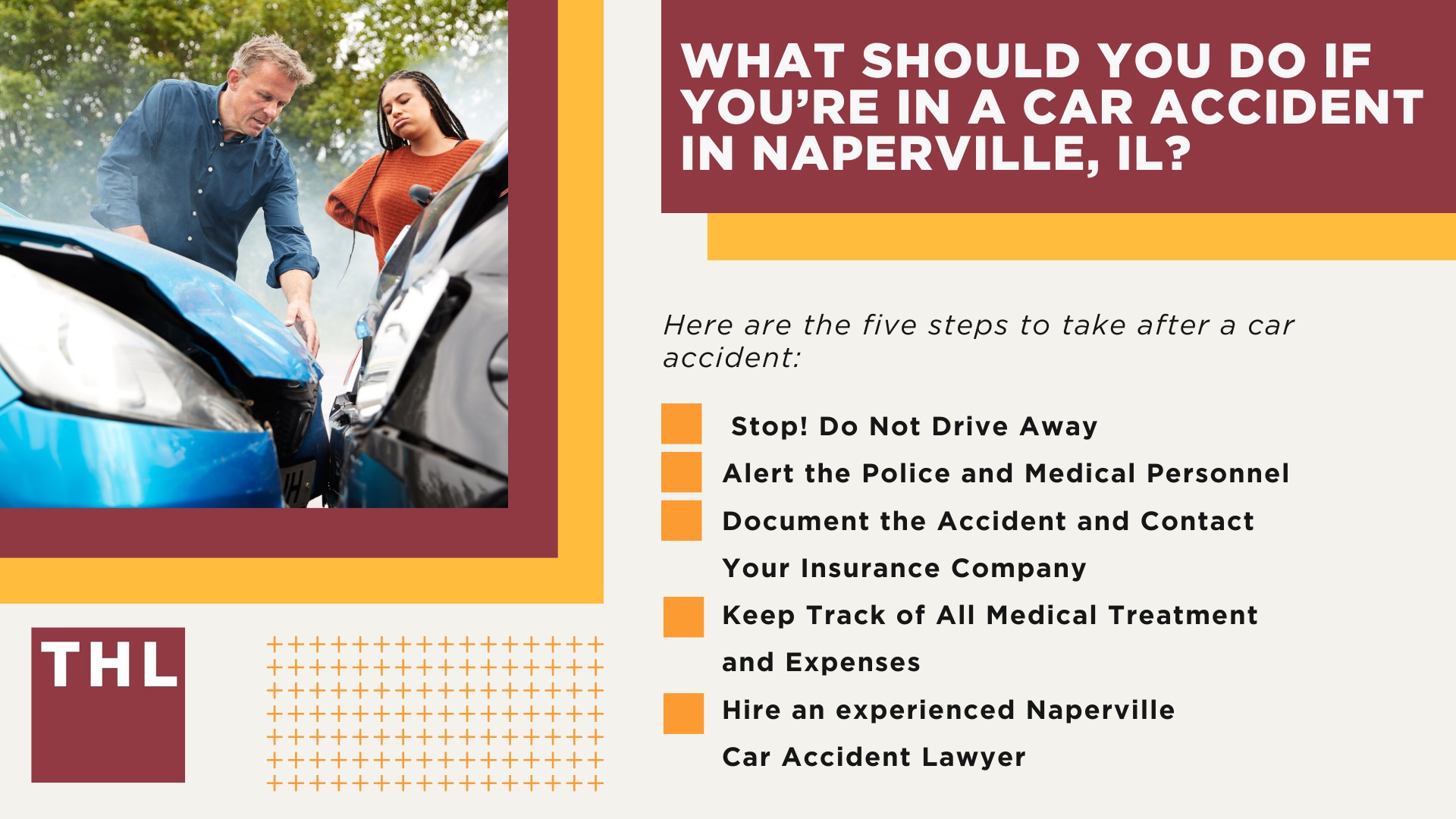
What to do first
- Move to a safe area if you can and call 911.
- Get a police report and exchange information with the other driver.
- Take photos of vehicles, injuries, debris, road conditions, and traffic signs.
- Get medical care quickly, even if symptoms seem minor.
- Be careful with insurance statements and keep every document.
What are the first car accident Naperville IL steps at the scene?
Start with safety. If the vehicles can move, get out of traffic and call 911. If anyone is injured, ask for emergency help right away.
Then exchange basic information with the other driver. Get names, contact details, driver’s license numbers, plate numbers, insurance information, and vehicle details. Keep it factual. Do not argue about fault at the roadside.
Photos matter more than most people realize. Take wide shots of the scene and close-ups of damage. Capture skid marks, broken glass, weather conditions, lane markings, and any visible injuries. If there are witnesses, ask for their names and phone numbers.
John J. Malm’s advice in the source material centers on a practical point many lawyers repeat for good reason: the steps you take right after a crash can shape the strength of your injury claim later.
That early evidence can fade fast. Cars get moved. Debris gets cleared. People forget details.
Why is the police report so important?
A police report gives you a neutral record of the crash. It usually includes the date, time, location, parties involved, witness information, road conditions, and the responding officer’s observations. Insurance companies look at it closely, and so do attorneys.
But do not assume the report tells the whole story. Officers are not judges, and reports can contain errors. If something is wrong, ask how to request a correction or add your statement through proper channels.
Look, this is one of the most overlooked car accident Naperville IL steps. People think the report is automatic proof. It is not. It is one piece of the file, though a very useful one.
Should you see a doctor even if you feel fine?
Yes. And soon.
Adrenaline can hide pain for hours or even days. Soft tissue injuries, concussions, back strain, and some internal injuries do not always show up at the scene. Prompt medical care protects your health first, and it creates a record that links your injuries to the crash.
Insurance adjusters often question gaps in treatment. If you wait a week to get checked, they may argue that something else caused the injury or that it was not serious. That does not mean every delayed visit destroys a claim, but it does make the argument harder.
What to keep from your medical treatment
- Emergency room or urgent care records
- Doctor visit summaries
- Imaging results and prescriptions
- Physical therapy notes
- Bills, receipts, and mileage tied to treatment
Keep it all in one folder, digital or paper. Simple, but non-negotiable.
How should you handle the insurance company?
Report the crash to your insurer promptly. Stick to the facts. Time, place, vehicles involved, and whether anyone was hurt. That is enough for an initial notice in many cases.
Be careful with the other driver’s insurer. You may get a quick call asking for a recorded statement. Honestly, this is where people talk too much. A casual comment like “I’m okay” or “I never saw them” can be used against you later.
If the crash caused injuries, lost income, or a dispute about fault, slow down before giving detailed statements or signing releases. Read every document. If you do not understand what is being requested, get legal advice.
When should you talk to a personal injury attorney?
Not every fender bender needs a lawyer. But many injury cases do, especially if liability is disputed, medical bills are rising, or the insurer is pushing for a fast settlement.
A personal injury attorney can help preserve evidence, review the police report, deal with adjusters, and estimate damages beyond the repair bill. That may include medical expenses, future treatment, lost wages, and pain and suffering where supported by the facts and the law.
Think of it like hiring a contractor after a house leak. A small stain on the ceiling may hide warped wood behind the drywall. Injuries work the same way. What looks minor on day one can get expensive by week three.
What mistakes can hurt your claim?
Some errors are common because people are rattled. Others happen because insurers move fast. Either way, these are the traps to avoid:
- Admitting fault at the scene
- Failing to call police for an official report
- Skipping medical care or stopping treatment too early
- Posting about the crash or your health on social media
- Throwing away receipts, bills, or repair estimates
- Accepting a quick settlement before you know the full cost
And yes, social media can become evidence. A smiling photo from a family event does not prove you are pain-free, but insurers may still try to use it that way.
How do Illinois rules affect a Naperville car accident case?
Naperville drivers are dealing with Illinois law, which matters for fault and deadlines. Illinois uses a modified comparative negligence rule. In plain terms, your compensation can be reduced if you were partly at fault, and you generally cannot recover damages if you are found more than 50 percent responsible.
Deadlines matter too. Injury claims are governed by statutes of limitation, and missing one can end the case no matter how strong the facts are. Exact timing can depend on the claim and the parties involved, so this is one area where local legal guidance is worth getting.
(That is especially true if the crash involves a commercial vehicle, a government entity, or an uninsured driver.)
A steadier next move
The best car accident Naperville IL steps are not fancy. Get safe. Call police. Document everything. See a doctor. Treat insurance conversations with care. Then decide, based on the facts, whether you need legal help.
The source from HelloNation and personal injury attorney John J. Malm points to a simple truth. Early choices after a crash can shape everything that follows. So if you are sorting through the mess right now, start with records and medical care, then ask yourself one blunt question: do you really want to trust a rushed insurance process to price out your recovery?