Nothing’s CEO Says the App Era Is Ending
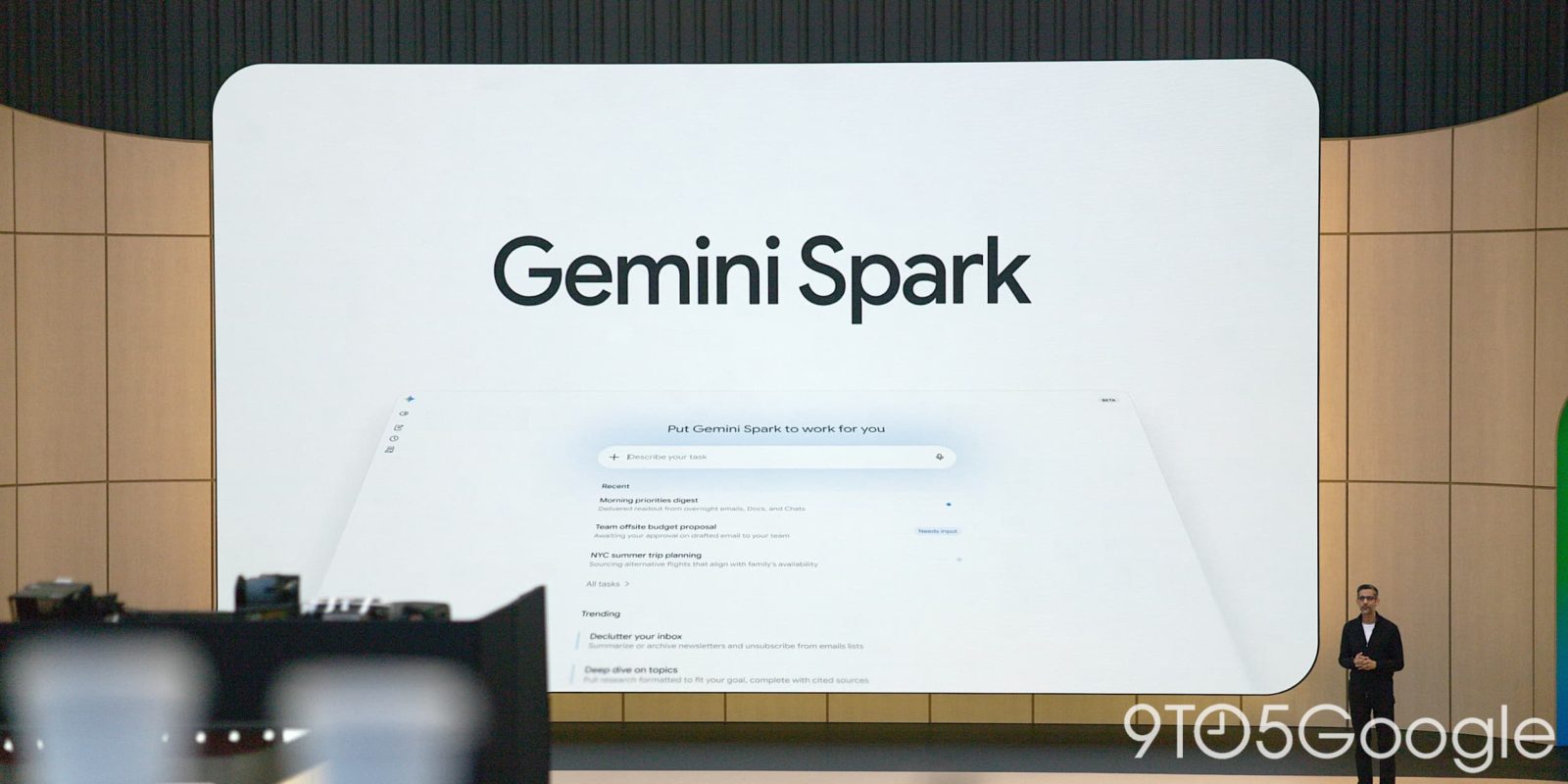
Carl Pei, CEO of Nothing, thinks your phone’s home screen is outdated. Speaking at SXSW in Austin on March 18, 2026, Pei said smartphone apps will disappear as AI agents take their place. In his view, the current model of opening individual apps, switching between them, and navigating menus has not meaningfully changed in 20 years. The future, he argues, is a device that understands your intent and acts on it directly, with AI agents replacing the apps you currently tap through one at a time.
Pei’s Vision for an AI-First Smartphone
- Apps will be replaced by AI agents that understand and execute user intent
- The device would learn long-term goals (like getting healthier) and surface proactive suggestions
- Instead of navigating four apps to grab coffee, the phone would handle it in one step
- Nothing closed a $200 million Series C in 2025 to fund development of an AI-first device
- The interface would be designed for agents to use, not for humans to tap through
Why the Current Phone Experience Falls Short
Pei pointed out a simple example. If you want to grab coffee with a friend, you currently need a messaging app, a maps app, a ride-sharing app, and a calendar app. That is four separate interfaces for one intention.
“It is very hard to get things done on a phone,” Pei said. “I think the future of smartphones or operating systems should just be: I know you very well, and if I know your intention, I just do it for you.”
“The current way we use phones is very old-school. You have lock screens, home screens, apps. Each app is a full-screen thing. It has not really changed for 20 years.”
What an Agent-First Device Would Look Like
Pei described a three-stage evolution. The first stage, which some companies are testing now, is an AI that executes specific commands like booking a flight. Pei called this “super boring.”
The second stage is more interesting. The AI begins to learn your long-term intentions. If you want to be healthier, the device gives you nudges toward that goal without being asked. It surfaces suggestions based on deep knowledge of your habits and preferences, similar to ChatGPT’s memory feature but applied to your entire digital life.
The third stage is full autonomy. The device acts on your behalf without being told to, using an interface designed for the AI agent rather than for a human finger.
The Challenge of Building Agent Interfaces
Nothing already lets users “vibe code” their own mini apps on its current operating system. But Pei was clear that the future is not about AI using human touch interfaces by mimicking taps and swipes. That approach, used by some current automation tools, is a dead end.
“You need to create an interface for the agent to use. That is the more future-proof way of doing it,” he said.
This means rethinking the entire operating system layer. App stores, home screens, and notification systems would need to be rebuilt around agent-to-agent communication rather than human navigation. It is a massive technical and design challenge, and Nothing’s $200 million in fresh funding signals it is serious about trying.
Whether or not apps disappear as fast as Pei predicts, the direction is clear. The phone of the future will do more and show less. The question is which company builds that future first.