ChatGPT Advertising Risks: Why One OpenAI Researcher Walked Away
Users lean on ChatGPT for answers, and now the company wants to blend ads into that stream. The OpenAI researcher who resigned feared that paid placements could steer people without clear signals, turning guidance into subtle manipulation. That makes ChatGPT advertising risks a live issue, not a future worry. We have seen search ads for years, but conversational interfaces feel more intimate and less obvious about where influence begins. You deserve to know whether a suggestion is earned or bought. And if the model keeps learning from ad-loaded interactions, what does that do to the underlying outputs? This is not just a business model tweak. It is a trust test.
Highlights on ChatGPT advertising risks
- Paid responses inside chats blur the line between help and persuasion.
- Disclosure norms for search do not map cleanly to conversational AI.
- Training data polluted by ads can tilt future answers.
- Regulators are already watching AI transparency claims.
- Teams need audit trails before shipping ad-backed chat products.
How ChatGPT advertising risks could shape user trust
Search ads sit at the top of a page, like billboards on a highway. Chat replies feel like advice from a colleague. That shift changes the social contract. The departing researcher argued that users may not notice when a sponsored suggestion arrives mid-conversation, especially if tone and style match organic responses. Who decides when persuasion crosses into manipulation? The answer defines whether conversational AI remains a tool or drifts into a dark pattern. One single misplaced ad in a health query could do more damage than ten misplaced banner ads.
This split should jolt every product leader.
Trust relies on two basics: disclosure and control. Clear labels must show when a message is paid. Users should be able to turn ads off or at least mute categories. Without those levers, consent becomes a checkbox buried in a terms page. In newsrooms, we separate editorial and advertising with a firewall. AI teams need a similar line, even if it means slowing ad rollout.
“Ads are fine until they start steering choices,” the researcher told colleagues, according to people familiar with the exit.
The analogy is simple: a referee in a soccer match must be neutral, yet if that referee is also sponsored by one team, every call gets questioned. Chat systems cannot afford that constant doubt. And if the model retrains on sponsored exchanges, bias compounds over time. That feedback loop makes transparency non-negotiable.
What happened inside OpenAI
According to the Ars Technica report, the researcher raised alarms about internal tests that mixed ads into ChatGPT conversations. The concern was not about revenue itself. It was about subtle nudging on sensitive topics like finance or health. Leadership pushed ahead with experiments, betting that user engagement would stay high if disclosures were tasteful. The researcher disagreed, arguing that even tasteful ads would be opaque in a chat flow. The resignation followed.
Honestly, this is a familiar tension. Platforms chase growth, researchers chase safety. When the two timelines clash, departures follow. I have covered similar breakpoints at social networks when recommendation tweaks outpaced integrity checks.
Guardrails to curb ChatGPT advertising risks
Here are pragmatic steps teams can ship before turning on monetization.
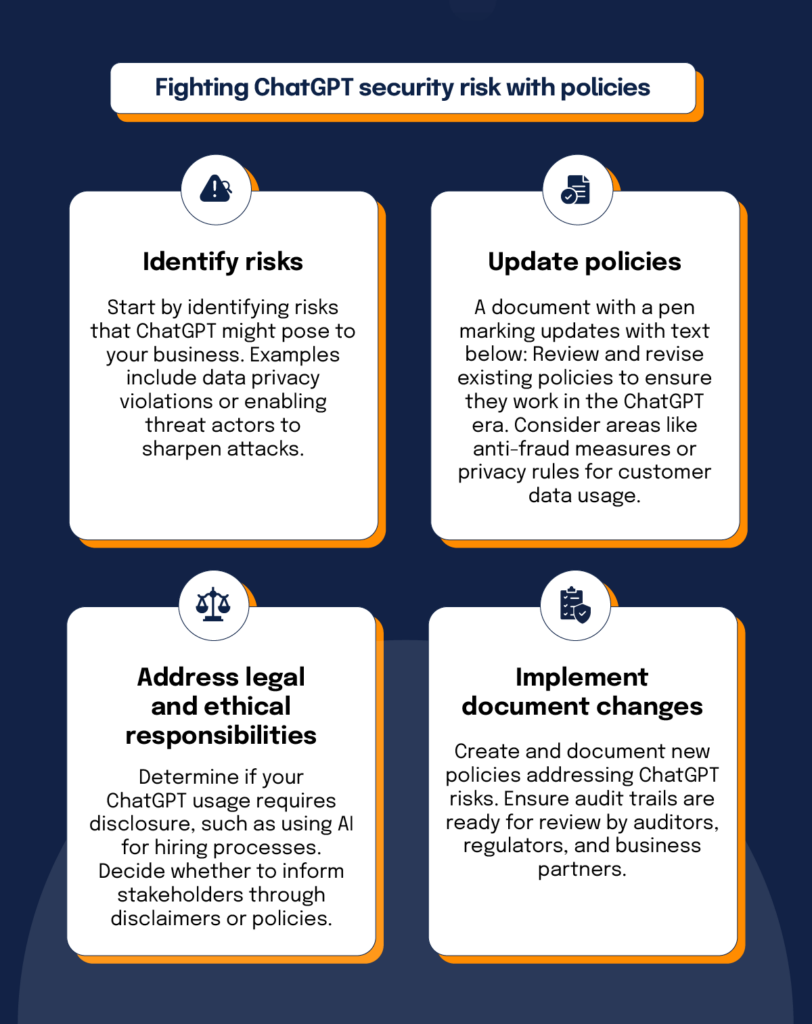
- Label every sponsored response. Use consistent phrasing, avoid soft cues. Place the label at the start of the message, not the end.
- Offer user controls. Provide toggles for ad frequency and categories. Log changes so teams can audit consent.
- Protect training data. Keep sponsored interactions out of the base training set. Use separate pipelines with documented filters.
- Run red-team drills. Test how ads behave in edge cases like medical, political, or legal queries. Track failures and publish fixes.
- Independent oversight. Bring in external reviewers, much like a newsroom ombud. Their mandate should include kill-switch authority.
Notice the mix: some steps are technical, others are governance. That blend matters because manipulation risk is as much about process as code. Ad tech veterans know this, and their playbooks can help (even if AI teams prefer to reinvent the wheel).
Regulatory pressure and the road ahead
Regulators in the EU and US already press for AI transparency. Insert sponsored outputs into a chat product without obvious labels and you invite enforcement. The Federal Trade Commission has fined companies for far less. The EU AI Act may treat undisclosed ads in AI outputs as deceptive. Companies cannot hide behind beta labels forever.
And consider competition law. If a model favors a paying partner in travel or retail, rivals could allege self-preferencing. Discovery requests would pull model logs, prompt traces, and ad delivery rules into court. That risk alone should make CFOs demand airtight documentation.
Look, the revenue upside is real. Ads could subsidize usage and keep entry-level tiers free. But shortcuts now mean brand damage later. The researcher who left OpenAI was willing to walk away rather than endorse a rushed rollout. That should prompt every founder to ask: are we moving fast because we can, or because we must?
What teams should do next
If your roadmap includes chat-based ads, slow down and build trust first. Publish your labeling standard. Let users report suspicious responses inside the chat UI. Simulate worst-case prompts and measure how often ads intrude. Bring legal and policy teams into weekly reviews instead of retrofits. Transparency is not a nice-to-have. It is the cost of doing business in AI now.
One parenthetical aside here: even a small pilot with 1,000 users can surface real-world confusion before a full launch.
Brands that get this right will gain an edge because users remember who treats them fairly. The rest will scramble to patch over a trust deficit that never had to happen.
Looking forward
The OpenAI resignation is a signal flare for the entire sector. We can keep conversational AI clean, or we can repeat the mistakes of opaque social feeds. Which path will teams choose? The next twelve months will tell.