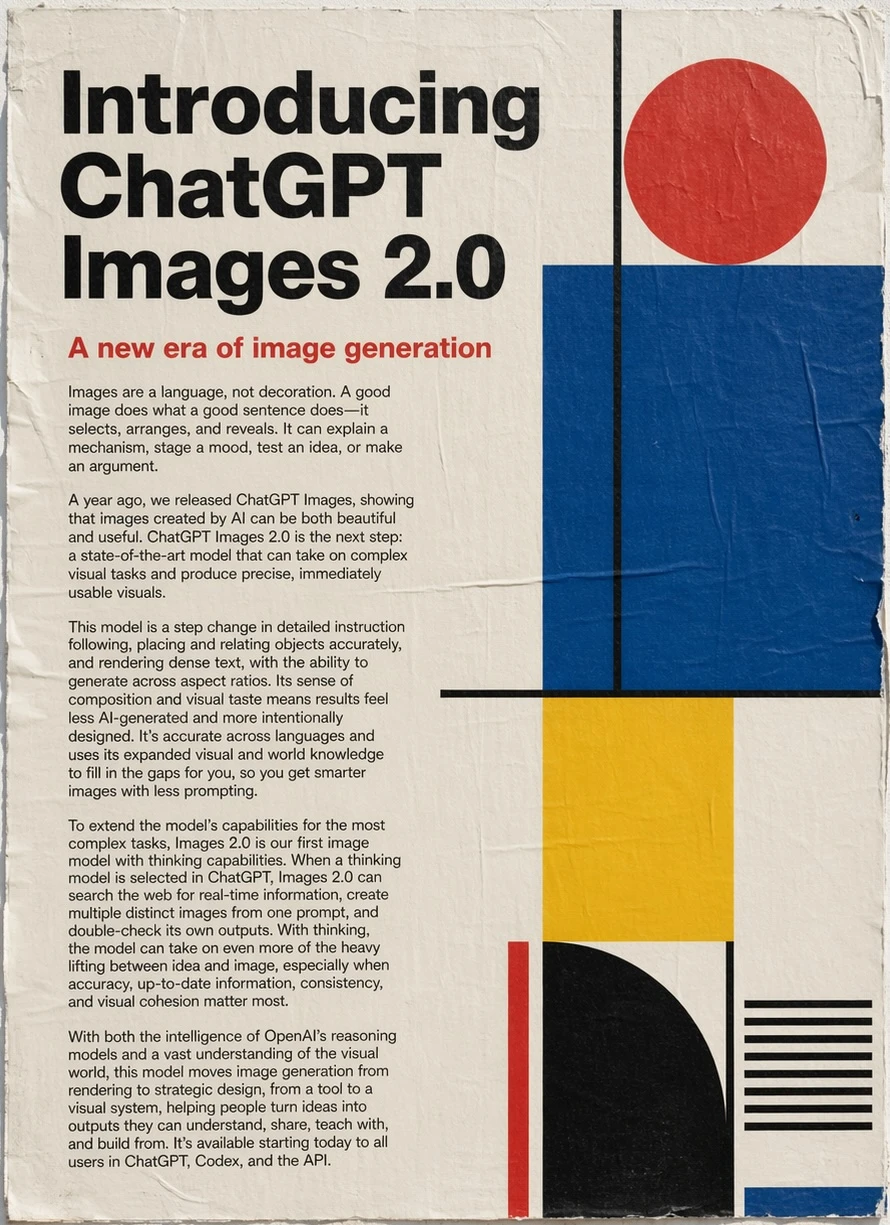
ChatGPT Images 2.0 Growth in India
AI image features rarely spread evenly across the world. One market jumps first, another shrugs, and the numbers can look strange until you zoom in. That is exactly what is happening with ChatGPT Images 2.0. Early signals suggest the product is gaining real momentum in India, while many other regions have not turned it into a major revenue engine yet. If you track AI products, that split matters now because it says something larger about pricing, mobile behavior, creator demand, and how fast OpenAI can turn consumer buzz into durable business. The headline is simple. India looks like a proving ground. The rest of the world, at least for now, looks more cautious.
What stands out right away
- India appears to be the strongest early market for ChatGPT Images 2.0.
- Usage and interest do not automatically translate into big revenue outside high-volume regions.
- Mobile-first habits may be giving India an edge in image generation adoption.
- OpenAI still faces a harder question. Can image tools become a steady business, not just a viral feature?
Why ChatGPT Images 2.0 is clicking in India
India has become a familiar stress test for internet products. If something is fast, social, cheap to try, and easy to share, it can move there at a startling pace. ChatGPT Images 2.0 seems to fit that pattern.
There are a few likely reasons. First, India has a huge base of mobile-native users who are already comfortable creating and sharing visual content across WhatsApp, Instagram, and YouTube. Second, AI tools often spread faster where users are willing to experiment with new formats for side hustles, small business marketing, profile art, and short-form content. Third, lower-cost digital growth tactics matter more in price-sensitive markets.
That combination makes image generation feel less like a novelty and more like a daily utility.
Look, I have covered enough consumer tech cycles to know that raw enthusiasm can be misleading. But this pattern is not random. India often rewards products that remove friction and produce visible output fast. Text chat is useful. An image you can post, sell, or remix in seconds is even easier to value.
India is often where internet companies learn whether a product can survive contact with real-world scale, price pressure, and heavy mobile use.
ChatGPT Images 2.0 outside India: Why the win is smaller
The tougher part of the story is what happens elsewhere. A product can be popular online and still fail to become a major business line. That seems to be the tension around ChatGPT Images 2.0 right now.
Why would adoption lag or revenue stay modest in other markets? Start with competition. Users in the US, Europe, and parts of Asia already have access to Midjourney, Adobe tools, Canva AI features, xAI-linked image products, and a flood of smaller apps. The market is crowded. And crowded markets punish products that feel interchangeable.
Then there is the payment issue. Plenty of users will try image generation once or twice. Fewer will pay every month unless the tool saves time at work or helps them earn money. That is the line many AI features hit. Viral use is easy. Habit is hard.
Think of it like a new kitchen gadget. If it makes one flashy meal, people show it off. If it earns a permanent spot on the counter, it solved a repeat problem.
What the early market split says about AI product strategy
This is where the bigger lesson sits. OpenAI is not just shipping features anymore. It is trying to build a layered product business across chat, search, coding, enterprise tools, and media generation. Every new feature has to answer a blunt question. Does this deepen retention, or is it just traffic bait?
India may be telling OpenAI something useful. Image tools can spread fast where the value is obvious, the device is already in hand, and users have reasons to create content at volume. But other markets may demand more polished workflows, stronger editing controls, better brand safety, or tighter links to work software.
Honestly, that is normal. Consumer AI often gets treated like one global wave. It is not. It is a patchwork of local behavior, pricing tolerance, and platform habits.
Three strategic signals to watch
- Conversion, not just creation. If users generate images but do not subscribe, the growth story weakens fast.
- Retention after the novelty phase. Week-one spikes are common. Month-three habits matter more.
- Integration into work and commerce. The strongest products help users market, design, sell, or communicate faster.
Could India shape the next version of ChatGPT Images 2.0?
It should. If one market is showing stronger pull, product teams would be foolish to ignore it. India can act like a live laboratory for prompt UX, lightweight editing, regional styles, language support, and creator-friendly exports.
And there is another angle. Products that win in India often get good at efficiency. They learn to work well on modest hardware, spotty connections, and budget-conscious plans. That pressure can improve the product for everyone else too.
But there is a catch (and it is a real one). High usage from a large market does not always produce high revenue per user. OpenAI still has to balance reach with monetization. That tradeoff never goes away.
What businesses and creators should do with this trend
If you run marketing, ecommerce, or creator operations, do not read this story as just another AI popularity contest. Read it as a demand signal. Users are showing that quick visual generation has practical appeal, especially in mobile-heavy markets.
Here is the practical move:
- Test AI image workflows for social posts, product mockups, and ad concepts.
- Measure time saved, not just image quality.
- Check whether your audience responds differently by region.
- Watch pricing closely before building your process around one vendor.
- Keep a human review step for brand fit and factual accuracy.
What if India is not an outlier, but an early indicator?
That is the question worth tracking over the next few quarters. If the same pattern spreads to other fast-growth, mobile-first markets, OpenAI may have a broader consumer image business than skeptics expect. If it does not, then ChatGPT Images 2.0 may remain a hot feature with uneven economics.
Where this heads next
The smart read is neither hype nor dismissal. ChatGPT Images 2.0 looks strong in India for reasons that make sense. It solves a visible problem, fits mobile behavior, and rides existing creator demand. Outside India, the picture is less convincing because competition is fiercer and paid value is harder to prove.
That leaves OpenAI with a very 2026 challenge. Turn attention into repeat use. Turn repeat use into revenue. And do it in a market where users have options everywhere. India may be the first clear signal, but it will not be the last word. The real test is whether this feature becomes a habit people miss when it is gone.


