China’s AI Tech Theft Is Getting Bolder
You are watching the AI race speed up, but the real story is not only who builds the best models. It is also who gets the chips, code, and research by fair means or foul. China AI tech theft matters now because export controls, data center limits, and chip bans have raised the stakes. If access is blocked, the incentive to steal goes up. That affects American AI firms, cloud providers, universities, and anyone betting on a clean lead in advanced computing. Look, this is no longer a niche policy fight in Washington. It is a business risk, a national security issue, and a hard test of whether US controls can hold when talent, software, and hardware move across borders faster than regulators can react.
What stands out
- China AI tech theft now appears more direct, with pressure points around chips, model weights, research talent, and commercial secrets.
- US export controls have made advanced Nvidia hardware harder to buy legally, which raises the value of smuggling and proxy access.
- Companies face a messy problem. Their biggest risks may come from insiders, third-party contractors, and foreign shell buyers.
- Policy alone will not fix this. Basic security discipline inside AI firms is now non-negotiable.
Why China AI tech theft is drawing fresh attention
The article’s core point is simple. Alleged Chinese efforts to obtain American AI technology are becoming less subtle. That tracks with a broader pattern reported by US officials and major news outlets over the past few years, especially around semiconductor export controls and restricted high-end GPUs.
Why would this intensify now? Because compute is the choke point. Training frontier AI systems depends on advanced chips from firms like Nvidia and on manufacturing capacity tied to TSMC and other supply chain players. If you cannot buy the newest hardware through normal channels, you look for side doors.
The fight over AI is no longer just about research leadership. It is about controlling the tools that make large-scale AI possible.
And that changes the shape of the threat. Old-school corporate espionage still matters, but AI adds new targets, including model architecture choices, optimization methods, data pipelines, and even the cluster management tricks that let labs squeeze more output from scarce compute.
What is actually at risk?
Chips and compute access
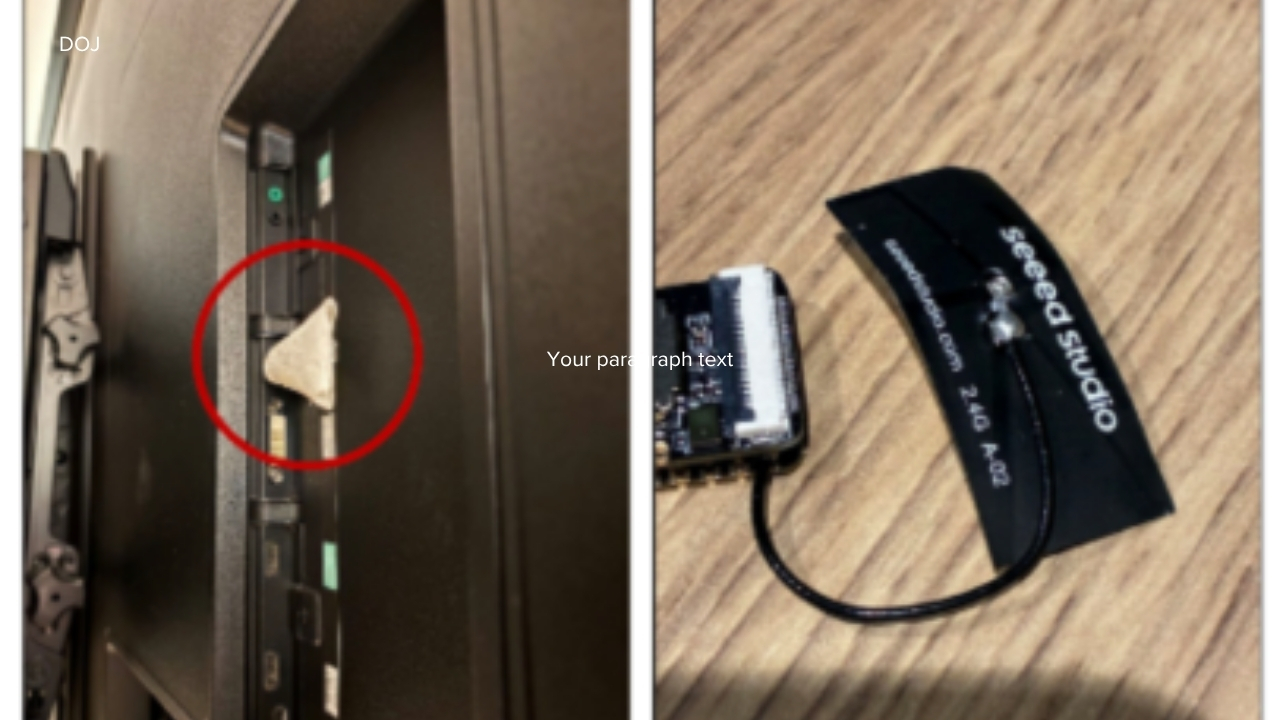
This is the obvious one. US restrictions on advanced AI chips, including top-tier Nvidia products, were designed to slow military and strategic AI progress in China. The result is predictable. Those chips become more valuable on gray markets, through intermediaries, or via overseas cloud rentals.
Think of it like a basketball team facing a zone defense. If the lane is blocked, the offense does not quit. It starts working the corners, hunting weak spots, and forcing switches. Sanctions create pressure. Pressure creates workarounds.
Model weights and research methods
Stealing a chip is tangible. Stealing know-how can be even more useful. A lab that gains access to model weights, training recipes, or post-training methods can save months of time and millions in spending. That is a huge shortcut.
Honestly, this part gets less public attention than hardware. It should not. In many cases, the institutional knowledge inside a leading AI lab is worth more than a single shipment of GPUs.
Talent and insider risk
Most firms obsess over external hackers. Fair enough. But insider risk is often the quieter problem. Employees can walk out with code, documents, benchmark results, or customer deployment details. Contractors can do the same. So can academic partners with loose controls.
One sentence matters here.
AI companies that treat internal access like an afterthought are asking for trouble.
How companies should respond to China AI tech theft risk
Government action gets headlines, but firms cannot outsource this problem to Washington. If you run an AI company, or depend on one, there are some plain steps that should already be underway.
- Lock down access to model weights. Keep the smallest possible group around frontier systems. Log every access event and review anomalies fast.
- Segment research environments. Do not let one credential open everything from training data to deployment configs.
- Harden contractor and partner controls. University ties and vendor relationships are useful, but they are also porous.
- Screen hardware buyers and cloud customers. Shell entities and indirect purchasing routes are an old trick. They still work if sellers do not ask hard questions.
- Build insider risk programs that are real. That means behavior monitoring, clear data handling rules, and rapid offboarding, not a PDF no one reads.
But there is a catch. Security that slows research to a crawl will face internal revolt. The smart approach is targeted friction. Protect the crown jewels hard. Keep the rest usable.
Where US policy looks strong, and where it still looks thin
The US has moved aggressively on export controls, especially on advanced semiconductors and chipmaking equipment. That is serious policy, and it has teeth. Reports from firms like SemiAnalysis and major coverage from Reuters and The Wall Street Journal have shown how much attention Chinese buyers pay to each new control package.
Still, policy has weak spots. Enforcement is hard across global supply chains. Cloud access is tougher to police than physical shipments. And allies do not always move at the same speed, which leaves gaps.
What is the missing piece? Better coordination between government and industry. Companies often see suspicious procurement patterns first. Regulators usually see the bigger strategic map. Those two views need to meet faster (and with less bureaucracy).
What readers should ignore in this debate
Some people will use stories like this to argue that every Chinese researcher, student, or startup is suspect. That is lazy thinking, and it produces bad policy. The real issue is state-linked acquisition of restricted technology and weak controls around sensitive assets. Keep the target narrow and factual.
Others will claim theft does not matter because innovation moves too fast for anyone to copy a lead. I do not buy that. In AI, shaving off six months can be seismic. Access to a top chip stockpile, leaked methods, or proprietary tuning data can shift real capabilities.
So yes, the hype should be filtered out. The threat should not.
What comes next
The next phase of the AI contest will hinge less on splashy chatbot demos and more on supply chains, access controls, and institutional discipline. That sounds boring. It is not. It is where the race may actually be won.
If you work near advanced AI systems, ask a blunt question. If someone wanted your company’s most sensitive model assets tomorrow, how hard would it really be to get them? The answer is probably less comforting than executives think.