Chinese AI Chip Stocks: Why Macquarie Says Now Is the Time
If you have been watching Chinese AI chip stocks and waiting for a cleaner entry point, you are not alone. The sector has been volatile, policy-sensitive, and easy to second-guess. Macquarie’s latest call adds fresh fuel to the debate, arguing that the moment may be better than it looks on the surface. That matters now because the market is still sorting out who benefits from domestic AI demand, export controls, and China’s push to build more of its own semiconductor stack. The trade is not simple. But it is getting harder to ignore.
Look past the headline and the real question is sharper: are these stocks pricing in too much bad news, or not enough? That is the kind of setup investors only get after a long selloff and a lot of noise. And yes, it can be ugly before it turns.
What stands out in Chinese AI chip stocks
- Policy support still matters. China keeps pushing local semiconductor capacity for strategic reasons.
- AI demand is real. Training and inference workloads keep rising across data centers and enterprise tools.
- Valuations can reset fast. Sentiment swings harder here than in many U.S. chip names.
- Execution is the real filter. The winners will be the firms that can ship, not the ones that talk biggest.
- Geopolitics remain the overhang. Export controls can change the math in a single quarter.
Why Macquarie thinks the setup has improved
Macquarie’s argument, as reported by CNBC, rests on timing. After a long stretch of skepticism, Chinese AI chip stocks may now offer a better risk-reward balance because expectations are lower and domestic demand is still building. That combination can matter more than flashy growth forecasts.
Here’s the thing. Markets often punish a sector long after the bad news is already visible. If investors have spent months assuming weaker access to advanced chips, slower scale-up, and more policy friction, then any proof of resilience can move stocks quickly. Think of it like a kitchen brigade. If one cook is short on ingredients, the best dish is the one that still lands on the table hot, on time, and without drama.
“The stock is not just a story about AI. It is a story about supply chains, state backing, and how much of the next wave of compute China can build at home.”
Chinese AI chip stocks: what could drive the next move?
Macquarie’s thesis makes sense only if a few things keep lining up. First, Chinese cloud and enterprise buyers need to keep spending on AI infrastructure. Second, local chip designers and foundries need to improve output and packaging. Third, investors need evidence that demand is translating into revenue, not just order talk.
And there is another layer. Some names in the space may benefit from a simple scarcity premium. If buyers cannot access every foreign chip they want, they will keep hunting for domestic alternatives. That does not guarantee margins. But it can support pricing power for the better-positioned players.
What investors should check before chasing the move
- Revenue mix. Is AI the core driver, or just a side narrative?
- Customer concentration. A few big buyers can make results lumpy.
- Supply chain exposure. Wafer access, advanced packaging, and tool availability still matter.
- Guidance quality. Look for proof, not vague optimism.
- Policy risk. Watch both China support measures and U.S. export rules.
Which names matter most in Chinese AI chip stocks?
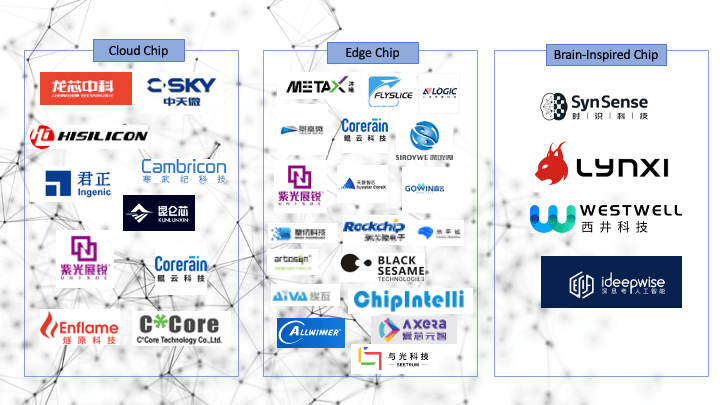
Macquarie’s reported favorite is the part most readers will care about, but the broader point is bigger than one ticker. Investors usually do better by looking at the full chain. That includes AI chip designers, memory suppliers, foundry-related names, and companies tied to high-bandwidth computing infrastructure.
But not every stock in the group deserves the same treatment. Some names are more tied to hype than actual shipment volumes. Others have better positioning, stronger state-linked demand, or clearer routes to scale. This is where stock picking beats blanket enthusiasm. The sector is too uneven for that.
How much risk should you really take here?
That depends on your time horizon. If you want a quick trade, Chinese AI chip stocks can move hard on sentiment and headlines. If you want a longer hold, you need to live with policy shocks, export constraints, and uneven earnings. No one gets to skip those variables.
So the sensible move is sizing, not bravado. You can have a view without going all in. You can like the setup and still demand proof on revenue, margins, and capacity.
Honestly, that is the part too many investors miss. They focus on the sector label and forget the business underneath it.
What to watch next in Chinese AI chip stocks
Keep an eye on three things. First, whether Chinese AI spending keeps flowing into domestic hardware. Second, whether companies can show actual shipment growth. Third, whether policy support turns into durable commercial demand instead of temporary excitement.
If those pieces hold, Macquarie’s call could look early in hindsight. If they fail, the sector will probably stay choppy and unforgiving. Which side of that line do you think the market is underestimating right now?
The next move will not come from a slogan. It will come from orders, output, and whether Chinese AI chip stocks can keep turning national ambition into earnings.