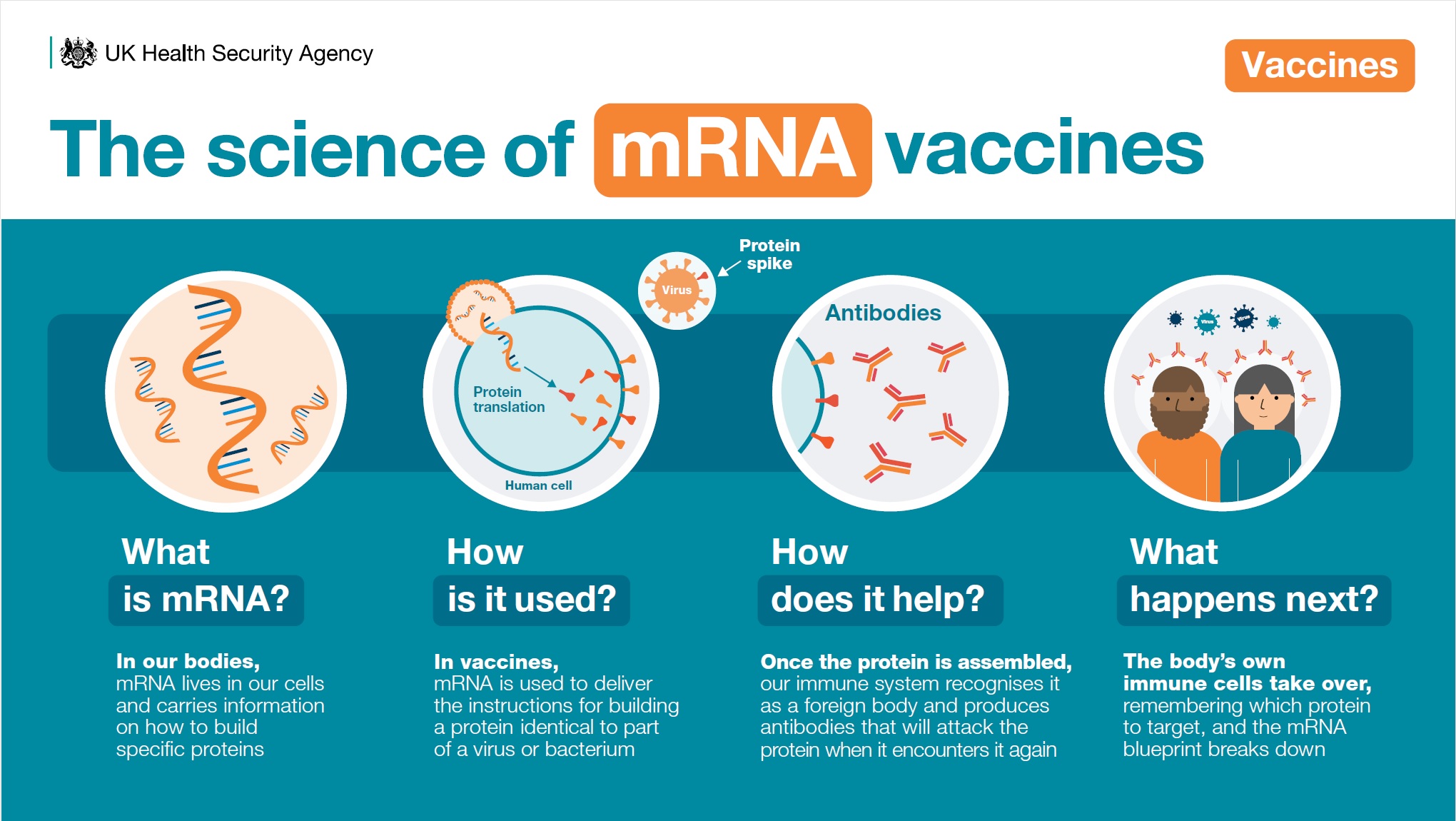
COVID mRNA Vaccines: What the New Safety Review Means
If you are trying to sort out COVID mRNA vaccines, the noise is still louder than the evidence. People want a straight answer. Are these shots safe, do they still work, and should you trust another review that says yes? The new comprehensive review cited by CIDRAP points in a clear direction. It says the data continue to support both safety and effectiveness, which matters because vaccine decisions are no longer abstract. They affect your risk of severe illness, your family’s exposure, and whether you can cut through the usual pile of fear and half-truths. The hard part is not finding opinions. It is knowing which claims hold up.
What the review found
- Safety signals did not change the overall picture. The review found no new pattern that would overturn the established safety profile of COVID mRNA vaccines.
- Effectiveness remains real. Protection against severe disease is still the main reason these vaccines matter.
- Population data still matter most. Large studies tell you more than anecdotes, especially when side effects are rare.
- Risk and benefit are not symmetrical. A rare adverse event has to be weighed against the much larger risk of severe COVID outcomes.
The core point is simple. These vaccines are not magic, and nobody serious says they are. But they continue to do what public health has asked of them since the start. They reduce serious illness. They reduce the chance you end up in a hospital bed. That is the metric that counts.
The real question is not whether every vaccine is perfect. It is whether the evidence still shows a net benefit for real people, in the real world.
Why COVID mRNA vaccines still matter
Look, a lot of the debate has drifted away from what vaccines are for. The goal is not to stop every infection forever. The goal is to reduce severe disease, deaths, and strain on health systems. That is a much tougher job, and it is also the one that matters.
Think of it like a seat belt in a car. It does not prevent every crash. But when things go wrong, it changes the outcome in a way you can measure. That is the logic behind COVID mRNA vaccines, and it is why studies keep returning to the same basic conclusion.
Safety review, in plain terms
A comprehensive review is useful because it pulls together a larger slice of the evidence than a single trial or a viral social post ever could. It can look at common side effects, rare adverse events, and how those risks compare with the dangers posed by infection itself. That comparison is non-negotiable.
Do rare side effects exist? Yes. That is true for many medical products. But rare is not the same as typical, and isolated reports are not the same as a trend. The value of a review is that it helps separate signal from static.
How to read vaccine claims without getting fooled
- Ask what kind of evidence is being used. A case report is not the same as a population study.
- Check what outcome is measured. Infection, hospitalization, and death are not interchangeable.
- Watch for missing context. A side effect listed without a baseline rate can mislead you fast.
- Compare risk with risk. Any honest discussion has to compare vaccine risk with COVID risk.
- Look for source quality. Reviews that synthesize multiple studies deserve more weight than one-off claims.
That last point is where a lot of bad arguments fall apart. A headline about one adverse event can sound seismic. But if the broader evidence base still supports safety, the headline is doing more shouting than informing.
What this means for your next decision
If you are deciding whether to get an updated COVID shot, the best next step is to talk to a clinician who knows your health history. Age, immune status, past infections, and underlying conditions all change the calculus. A healthy 25-year-old and an older adult with heart disease are not in the same lane.
And that is the point. Public health guidance works best when it is tied to your actual risk, not a comment thread. Why make the decision based on rumor when the evidence is sitting there?
One practical move is to ask three questions before your appointment: What benefit am I likely to get, what side effects should I expect, and does my personal risk profile change the recommendation? That keeps the conversation grounded. No drama. Just facts.
Where the debate goes next
Coverage of COVID mRNA vaccines should not be treated like a loyalty test. Good science can handle scrutiny. It should. But scrutiny has to be honest, and it has to look at the full record, not the loudest fragment.
The next round of debate will probably focus on who still needs boosters, how often, and which groups see the biggest benefit. That is a better question than asking whether the entire vaccine platform failed. It did not.
The smarter conversation now is about precision, not panic. Watch the data, not the noise. Then ask the next hard question: which groups gain the most from the next dose, and which groups need something different?