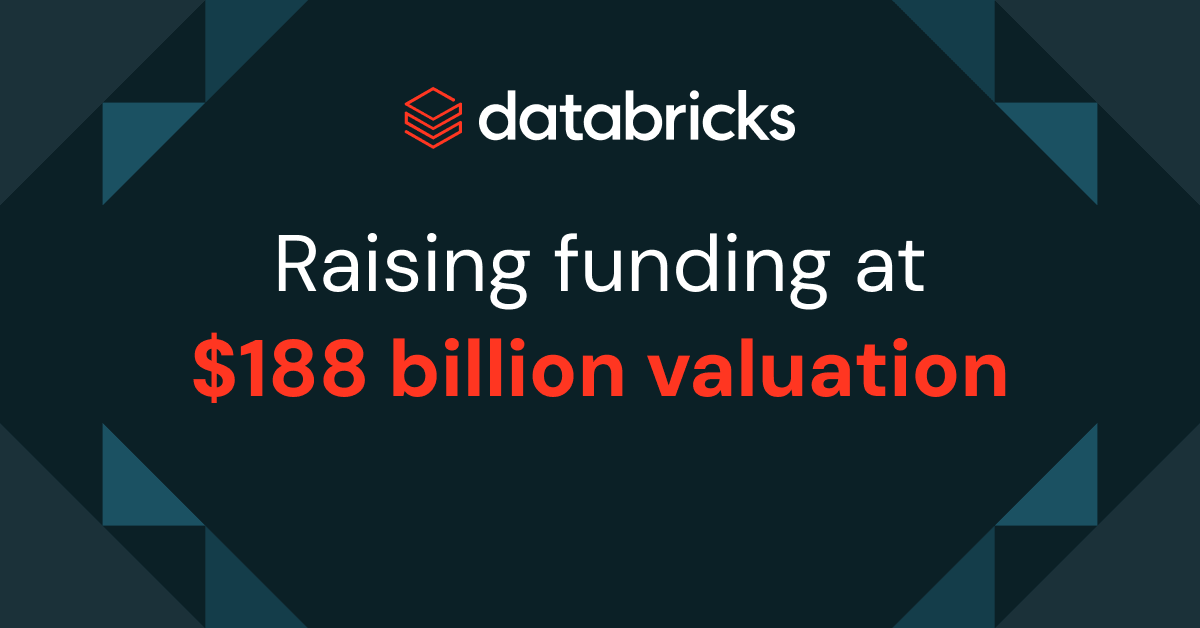
Databricks Hits $188B Valuation: What It Means for AI Data Platforms
Databricks just pushed its valuation to $188 billion, and that number says a lot about where enterprise AI money is flowing. If you are trying to understand the Databricks valuation story, do not treat it like a vanity metric. It is a signal that investors still want the layer under the model, the place where data is cleaned, governed, queried, and fed into AI systems. That matters now because plenty of companies can demo an assistant. Far fewer can keep the data pipe steady, secure, and useful at scale. And that gap is where real spending lives.
What stands out in the Databricks valuation
- Enterprise AI is still a data problem, not just a model problem.
- Databricks benefits from being close to the warehouse, lakehouse, and governance layers.
- The valuation shows investor appetite for platforms that sit inside real workflows.
- Competition from Snowflake, cloud vendors, and open-source stacks is still very live.
Why the Databricks valuation matters now
Look, the AI market has a habit of rewarding the loudest demo. But the durable money often goes to the plumbing. Databricks sits in that awkward, valuable middle ground between raw data and finished AI products, which gives it a shot at owning more than one budget line.
That is why this valuation is bigger than a headline. It suggests buyers still believe companies need a controlled environment for analytics, machine learning, and model operations. Who wants to bolt serious AI onto messy data? Nobody who has ever cleaned up a production outage at 2 a.m.
The core bet is simple. If your company wants AI to work on private data, you need a platform that can handle storage, governance, and compute without turning every project into a science fair.
How Databricks fits into the AI stack
Databricks built its case around the lakehouse, a setup that blends data lake flexibility with warehouse discipline. That pitch still lands because teams want one place to prepare data, train models, run analytics, and manage access controls. The architecture is not sexy. It is useful. That distinction matters.
Think of it like the foundation of a building. You can decorate the rooms any way you want, but if the slab cracks, the whole place turns into a repair bill. AI systems are starting to look the same. The model may get the spotlight, yet the data layer decides whether the system can survive contact with real users.
Where the revenue logic comes from
- Customers store more data with the platform.
- They run more analytics and AI workloads on top of it.
- Governance and security features make it harder to rip out.
- That increases switching costs over time.
And yes, that is exactly the sort of setup investors love. It creates a deeper relationship than a one-off software purchase. The customer ends up buying compute, collaboration tools, pipeline management, and increasingly AI features that sit close to production data.
What this says about the AI market
The Databricks valuation also says something blunt about the current AI cycle. The market is still paying for picks and shovels. Not because it is bored with models, but because models alone do not solve enterprise adoption. Companies still need data quality, permissions, lineage, cost control, and monitoring.
That is where a platform like Databricks can keep expanding. It can sit near business intelligence teams, data engineers, and machine learning groups without forcing them into separate stacks. For a CIO, that is practical. For an investor, it is defensible. For a competitor, it is annoying.
But the upside is not automatic. Cloud vendors can bundle similar services. Snowflake keeps pushing deeper into AI. Open-source tools keep getting better. So the real question is not whether Databricks matters. It is whether it can stay the default choice as buyers get more selective.
What buyers should watch
If you are evaluating a platform in this space, focus on usage, not hype. Ask where the product saves time, where it reduces risk, and where it cuts duplicate work. Those are the signals that the software is sticky.
- Data governance: Can you control access and track lineage without a lot of custom work?
- AI readiness: Can your teams move from analytics to model deployment without rebuilding the stack?
- Cost discipline: Do workloads scale cleanly, or do bills spike when usage rises?
- Integration depth: Does the platform fit your cloud and security setup, or fight it?
Databricks is benefiting because more buyers care about these questions than they did two years ago. That is the shift. Not flashy, but seismic.
Where the Databricks valuation could run into trouble
The biggest risk is not demand. It is compression. As more vendors crowd into the same layer, pricing pressure rises and differentiation gets harder to defend. The company needs to keep proving that its platform is the place where serious AI work gets done, not just another stop on the way there.
There is also the old enterprise drag. Sales cycles stay long. Procurement stays slow. And once customers get serious about governance, they ask harder questions about portability, control, and cloud spend. Fair enough. That is what adults do when the bill lands.
The next test for the AI data stack
The Databricks valuation is a strong vote of confidence, but it is also a challenge. The company now has to show that the AI data platform can stay central as budgets tighten and buyers become less forgiving. The market has seen plenty of high-flying infrastructure stories before. Which ones kept earning their place after the excitement faded?
My bet is that the winners will be the vendors that make messy enterprise data feel boring in the best possible way. If Databricks can keep doing that, $188 billion may look less like a peak and more like a waypoint.