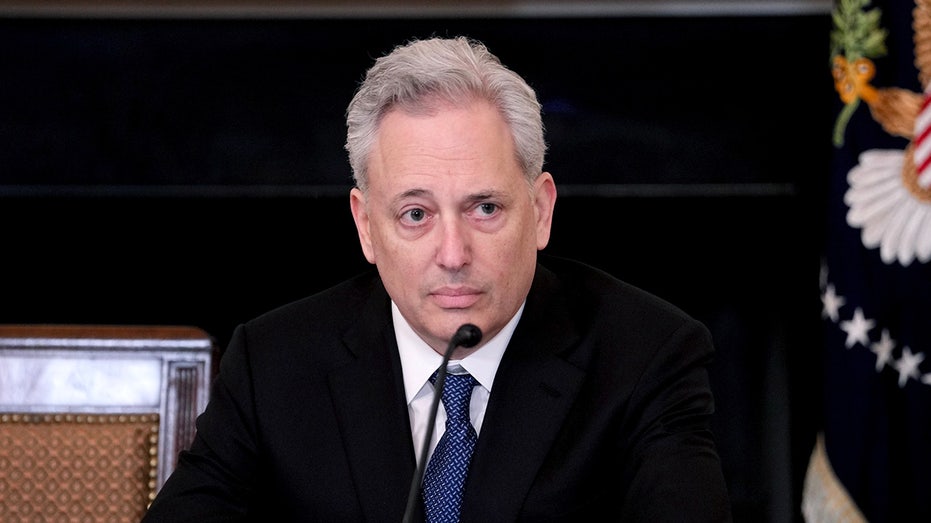
David Sacks Exits the AI and Crypto Czar Role: What It Signals
David Sacks stepping away from the AI and crypto czar post leaves a gap just as regulators tighten their grip. You worry about stalled guidance, uneven enforcement, and fresh uncertainty for startups building with AI and crypto tools. The timing matters because agencies like the FTC and SEC are sharpening oversight, and Sacks had sway over how those moves translated for builders. If you rely on clear rules to raise capital or ship products, this change hits close to home. The mainKeyword here is David Sacks AI czar, and his exit forces a rethink of who frames the playbook for open-source AI, stablecoins, and consumer protections. What replaces that influence now?
Immediate Fallout for Startups
- Funding conversations may slow while investors reassess risk.
- Compliance checklists will stretch as teams guess at the next policy lead.
- Open-source AI projects could face stricter scrutiny without a balancing voice.
- Crypto custody and stablecoin pilots may pause until clarity returns.
Why the David Sacks AI czar seat mattered
Sacks acted as a bridge between fast builders and cautious regulators. He championed open-source AI models while pushing for guardrails on data misuse. That stance kept the door open for smaller teams to compete with major clouds.
Policy is a relay race, and losing a seasoned runner mid-lap slows everyone behind.
One sentence stands alone here.
Regulatory vacuum risks
Without a named successor, agencies could default to stricter interpretations of existing statutes. That means more informal guidance, which rarely travels evenly across the industry. Think of a soccer team losing its midfield organizer; the back line starts booting the ball long because there is no calm link forward.
Probable shifts
- More caution from venture firms on deals touching consumer data.
- Greater weight on third-party audits for model training and crypto custody.
- State-level actions filling gaps while federal coordination lags.
How builders can respond
You still control your prep. Tighten data provenance records, map model risk, and document every vendor dependency. And keep a short briefing ready for investors that explains how you meet FTC privacy expectations and SEC custody norms.
Practical steps now
- Run a privacy gap review with a clear owner and a two-week deadline.
- Create a model card for your core AI system that lists training data sources and safety tests.
- Track state actions on biometric and AI disclosures to avoid surprise fines.
- Set a capital buffer for potential compliance delays.
Who might fill the David Sacks AI czar gap
Names from consumer protection circles are already circulating. A pick with deep privacy chops would shift priorities toward data minimization and bias audits. A finance-first pick would focus on stablecoin reserves and custody segregation. Either path changes the balance of power for open-source AI advocates.
Honestly, do you want a referee who calls every touch, or one who lets the match flow?
Looking ahead
Expect a brief chill in AI and crypto deal pace, followed by a rebound once a successor sets a line. Keep your compliance proofs tidy and your runway solid. The next czar will arrive with their own agenda. Be ready to meet it on your terms.