DoorDash AI Agent Turns Texts Into Dinner Orders
You want dinner handled fast, but food apps still make you tap through too many screens, filters, fees, substitutions, and checkout prompts. The DoorDash AI agent, reported by TechCrunch, points to a simpler idea: text what you want, let software turn that request into an order, and keep the conversation going if details are missing. That matters now because delivery companies are under pressure to make ordering cheaper to support, easier to repeat, and stickier than a search box full of sponsored listings. The pitch sounds simple. The hard part is trust. If an AI orders the wrong meal, misses an allergy note, or picks a pricier option than you expected, convenience starts to feel like friction with a nicer interface. I have watched plenty of AI commerce demos overpromise. This one deserves attention, but also a raised eyebrow.
What Stands Out
- Text-based ordering lowers effort for repeat customers who already know what they like.
- The DoorDash AI agent could shift discovery away from scrolling menus and toward conversational suggestions.
- Restaurants need accuracy, especially around modifiers, availability, pickup times, and allergy language.
- The business upside is clear: fewer abandoned carts, more reorders, and more chances to personalize offers.
What the DoorDash AI Agent Actually Changes
Food delivery apps have spent years adding choices. More restaurants, more filters, more fees, more promos. That abundance can help, but it also turns a weeknight order into a small admin task.
The DoorDash AI agent tries to compress that flow into a chat. Instead of opening the app, searching for Thai food, scanning menus, and building a cart, you might text something like, “Order my usual pad see ew, medium spice, from the place near work.” The agent then has to identify the restaurant, match the item, confirm modifiers, apply delivery details, and ask for approval before checkout.
That is the bet.
This is less like a flashy chatbot and more like a point guard in basketball. The best ones do not hog the ball. They read the floor, make the right pass, and keep the play moving. If DoorDash gets this right, the AI fades into the background while the order gets handled.
Conversational ordering only works if the system knows when to stop and ask. Confidence is useful. Silent guessing is where customer support tickets are born.
Why DoorDash AI Agent Ordering Makes Sense Now
DoorDash is not alone in testing AI as a shopping layer. Instacart, Uber, Amazon, Walmart, and Shopify have all been moving toward assistants that can interpret messy customer intent. The reason is plain: search is often too rigid for how people actually talk.
A customer does not always know the exact item name. They might say “the spicy chicken bowl I got last time,” or “something vegetarian under $20 that gets here before 7.” A standard search bar struggles with that. A good agent can combine order history, restaurant data, menu metadata, location, timing, and price limits.
What should you watch for as this rolls out?
- Confirmation before payment. The agent should show the cart, price, fees, delivery time, and substitutions before placing an order.
- Memory controls. You should be able to edit or delete preferences, especially dietary restrictions and saved “usual” orders.
- Clear restaurant attribution. If the agent suggests a place, you should know whether it is organic, promoted, or based on your history.
- Easy fallback to a human-readable cart. Chat is useful, but the final order still needs a clean review screen.
The DoorDash AI Agent Has a Restaurant Problem to Solve
Customers may see this as a convenience feature. Restaurants will judge it by error rate. A wrong sauce, missing add-on, or unavailable item can create refunds, bad ratings, and kitchen confusion.
The hardest cases are not basic reorders. They are edge cases: combo meals with drink choices, limited-time items, sold-out dishes, allergy notes, and local menu quirks. Anyone who has ordered from a busy neighborhood restaurant knows the menu in the app is sometimes a rough map, not the territory.
DoorDash will need tight data plumbing between menus, inventory signals, merchant settings, and customer instructions. And it needs careful language. “No peanuts” is not the same as “peanut allergy.” One is a preference. The other could affect how a restaurant handles the ticket.
Where AI Food Ordering Could Help You
The most useful version of this feature is not novelty. It is speed for ordinary orders. If you use DoorDash often, the agent could cut the time between craving and checkout, especially for meals you repeat.
- Reordering: “Get my usual breakfast burrito from Saturday.”
- Budgeting: “Find dinner for two under $35 before fees.”
- Timing: “Order sushi to arrive around 8.”
- Preference matching: “Pick something high-protein nearby that is not pizza.”
- Group ordering: “Start a shared order for the office and close it at noon.”
But here is the thing: the feature becomes valuable only if it saves more time than it costs to supervise. If you have to correct the agent three times, you may as well tap through the app yourself. Convenience has a short fuse.
What Could Go Wrong With the DoorDash AI Agent?
The obvious risk is hallucination, though in commerce it usually looks less dramatic than a chatbot inventing a court case. It might pick the wrong restaurant with a similar name. It might choose a default side you did not want. It might miss a delivery instruction buried in prior messages.
Another issue is upselling. Delivery apps already balance user experience with paid placement, promotions, and merchant visibility. If an AI agent starts recommending meals, the ranking logic needs to be understandable. Is it choosing the fastest option, the highest-rated restaurant, your past favorite, or the one paying for placement?
Privacy also matters. A text-ordering agent can learn a lot: where you live, when you are home, what you eat, how much you spend, and who you order with. That data can improve service, but it should not be treated like free seasoning sprinkled over every ad product (yes, that line is intentional).
How to Use DoorDash AI Agent Ordering Wisely
If you try the DoorDash AI agent, use it first on low-risk orders. Start with a meal you know well from a restaurant you trust. Check the cart closely before payment, especially fees, substitutions, and delivery address.
A practical script helps. Be specific. Write, “Order the chicken tikka masala from Bombay House, mild, with garlic naan, deliver to my home address, and show me the total before placing it.” That gives the agent less room to improvise.
For allergies, do not rely on casual shorthand. Put the instruction in plain terms and still verify the restaurant can handle it. AI can pass along a note, but it cannot make a kitchen safer by itself.
The Bigger Play: AI Agents as the New Checkout
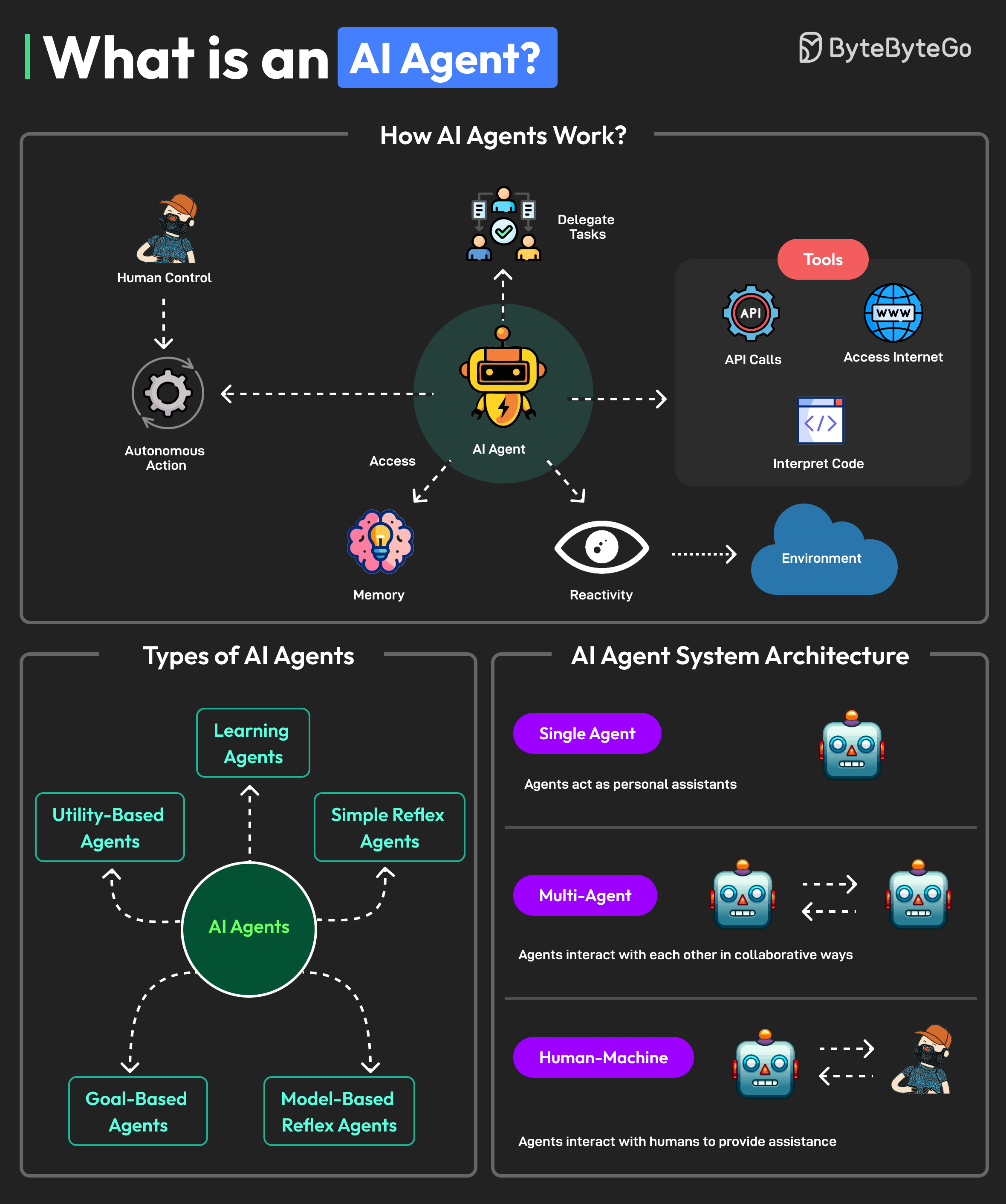
DoorDash’s move fits a broader push toward agentic commerce, where software does more than answer questions. It takes action. That shift could change how people buy food, groceries, travel, tickets, and household goods.
Still, the winners will not be the companies with the chattiest bots. They will be the ones that connect intent to execution without making users feel trapped inside a black box. The interface can be conversational, but the transaction has to be exact.
My read: DoorDash is aiming at a real pain point, not a party trick. Texting an order is natural. Trusting an AI with your card, your dinner, and your dietary instructions is the harder leap. The next step is simple for users: try it on a repeat order, inspect every detail, and see whether the agent earns a second chance.