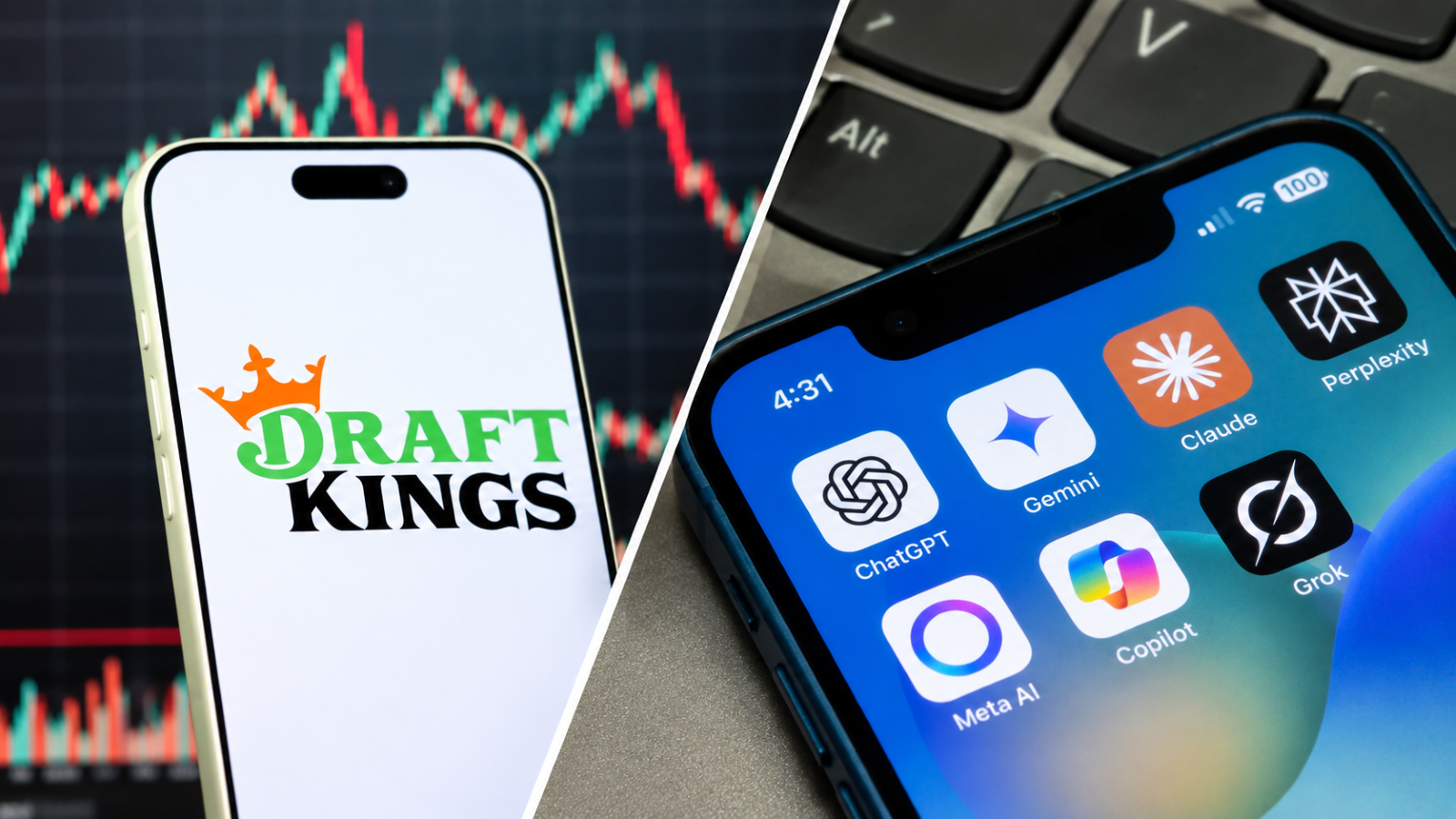
DraftKings AI Raises the Stakes for Sports Betting
Your betting app already knows more about your habits than most companies ever will. If DraftKings AI becomes a bigger part of odds-making, promotions, customer support, and risk scoring, that data starts to matter in a new way. The issue is not whether artificial intelligence can make sports betting more efficient. It can. The harder question is who benefits most when every tap, pause, deposit, and near miss becomes a signal. The New York Times has put fresh attention on DraftKings and AI, and the timing is right. Sports betting is now a mainstream mobile product in much of the United States, while regulators are still catching up to how personalized betting apps actually work. Look, I have covered tech long enough to know the pattern. The tool arrives first. The guardrails arrive later.
What to watch
- DraftKings AI can help set lines, detect fraud, and personalize offers, but those uses carry different levels of risk.
- Personalized promotions need sharper scrutiny because betting is not a normal retail product.
- Responsible gambling tools should be tested like safety systems, not treated as marketing copy.
- Regulators will need access to evidence, not slogans, if AI starts shaping user behavior at scale.
Why DraftKings AI matters now
DraftKings sits at the center of a mobile betting market built on speed, data, and constant engagement. AI fits that model because it can sort huge streams of user behavior, game data, payment patterns, and support requests faster than any human team.
That does not make every use harmful. A model that flags account takeover attempts or suspicious betting patterns can protect users and the platform. A model that predicts when a bettor is likely to deposit again sits in a different moral category.
AI in sports betting is not one thing. It is a stack of decisions, and each layer needs its own standard.
The American Gaming Association says legal sports betting has expanded quickly since the 2018 Supreme Court decision that cleared the way for states to authorize it. That growth has pulled tech firms, media companies, leagues, and gambling operators into the same orbit. The result is a product that looks like entertainment, behaves like fintech, and carries public health risk.
Where DraftKings AI can help
The boring AI uses may be the most defensible ones. Fraud detection, identity checks, customer support routing, payment anomaly alerts, and market monitoring all have clear business value without directly nudging a bettor to spend more.
Sportsbooks also depend on risk teams that track line movement, injuries, sharp betting action, and exposure across markets. Machine learning can help those teams spot odd patterns. Think of it like a kitchen during a dinner rush. The chef still makes the call, but sensors and timers help prevent small mistakes from turning into burnt meals.
Operational uses with lower user risk
- Detecting duplicate accounts and bonus abuse.
- Flagging possible fraud or account theft.
- Sorting customer service tickets by urgency.
- Spotting unusual market activity before losses spread.
- Improving age and identity checks where state law requires them.
These uses still need oversight. Bad fraud models can lock out legitimate customers, and weak identity tools can fail the people they are meant to protect. But the intent is easier to defend because the model is not aimed at increasing betting volume.
The riskier side of DraftKings AI
The tougher debate starts with personalization. If an app can predict which users respond to a parlay boost, which ones chase losses, or which ones return after a push notification, the company has a powerful commercial machine.
That is where the story gets uncomfortable.
Retailers personalize coupons all the time, but betting is different. A sportsbook is not selling running shoes or meal kits. It is selling risk, and some customers will have trouble stopping even when losses mount.
Could AI identify harm before it gets worse? Yes. Could the same class of tools identify highly responsive customers and keep them engaged longer? Also yes. That tension should be the core policy debate, not a footnote.
Signals that deserve scrutiny
- Deposit behavior: repeated small deposits after losses can show stress, not loyalty.
- Late-night activity: timing can matter when paired with frequency and loss patterns.
- Bet chasing: fast follow-up bets after a loss may point to risky behavior.
- Promotion response: heavy reliance on bonuses can change how users assess risk.
- Session length: long betting sessions are not the same as long video sessions.
The National Council on Problem Gambling has long warned that access, speed, and promotion can affect gambling harm. AI raises the stakes because it can make those forces personal. A one-size offer is blunt. A targeted offer can be surgical.
What responsible DraftKings AI should look like
Responsible AI in betting needs more than a privacy policy and a dashboard. It needs measurable limits, outside testing, and clear separation between teams that reduce harm and teams that drive revenue.
Here is the test I would use after years of watching tech companies mark their own homework. If an AI model flags a user as high risk, does that signal reduce marketing pressure, cap incentives, trigger cooling-off options, or get buried because the user is profitable?
- Clear model purpose: each AI system should have a written business use and user impact review.
- Promotion limits: high-risk users should not receive stronger betting incentives.
- Human review: account restrictions and harm interventions should allow appeal and review.
- Audit trails: companies should log why major automated decisions were made.
- Independent testing: safety claims should be checked by outside experts, not only internal teams.
Regulators do not need to inspect every line of code to ask better questions. They can demand outcome data, such as whether flagged users receive fewer inducements, whether self-exclusion tools are easy to find, and whether intervention models reduce harm over time.
What bettors should do if DraftKings AI shapes the app
You do not need to be paranoid to be practical. If your betting app feels oddly well timed, that may be because product teams are testing messages, offers, and placement just like other mobile apps do.
Start with settings. Turn off nonessential push notifications, set deposit limits before you bet, and use time reminders if the app offers them. These tools work best before you feel pressure.
Also watch your own patterns (annoying advice, but useful). If you deposit right after losses, bet more at night, or accept every boosted offer, treat that as data about yourself. The app may be reading the same pattern.
The real regulatory question
Sports betting rules still vary widely by state, which makes AI oversight messy. Some states focus on advertising rules, others on licensing and responsible gambling requirements. Few have the technical staff to review advanced personalization systems in detail.
A better approach would focus on outcomes and incentives. Regulators should ask whether AI reduces risky behavior or monetizes it. They should also require plain-language disclosures for automated limits, account reviews, and promotional targeting.
If a sportsbook cannot explain how AI affects user offers and harm prevention, it should not get the benefit of the doubt.
DraftKings is not the only company facing this issue. FanDuel, BetMGM, Caesars, ESPN Bet, and other operators all compete in a market where better targeting can mean better margins. That is exactly why shared rules matter.
DraftKings AI will test trust before it tests technology
The technical challenge is real, but the trust challenge is bigger. AI can make betting platforms safer, cleaner, and more responsive if companies use it to slow dangerous behavior and catch abuse early.
But if the strongest models go toward retention, promotion, and high-value bettor targeting, the industry should expect a backlash. The next move is simple for operators and regulators alike: publish clearer standards, test the safety claims, and prove that the smartest systems are not pointed at the most vulnerable users.