Etched AI Chip Startup Hits $10.3B Valuation
The AI chip market keeps attracting money, but it also keeps punishing weak ideas. That is why Etched’s jump to a $10.3 billion valuation matters. The company is not just raising another hot round. It is asking investors to back a very specific bet on custom silicon for generative AI, and that bet lands in a crowded field where Nvidia still sets the pace.
If you are trying to separate signal from noise, this is the question that matters. Can a startup like Etched prove that a focused chip design can beat general purpose GPUs for a narrow but valuable slice of AI workloads? The answer affects pricing, inference costs, and the next wave of infrastructure spending. It also tells you whether the market still rewards bold hardware stories, even after years of chip hype and broken promises.
What stands out about the AI chip startup story
- Etched is now valued at $10.3 billion, which puts it in rare company for a young hardware startup.
- The round signals that big-name investors still want exposure to custom AI silicon.
- The pitch depends on a narrow technical claim, not a broad platform story.
- That makes the company easier to understand, and harder to execute.
Why investors keep backing custom AI silicon
Look at the economics. AI inference is expensive, and every large model operator wants lower cost per token. A chip that can cut those costs has a real commercial angle, especially if it targets one workload instead of trying to do everything.
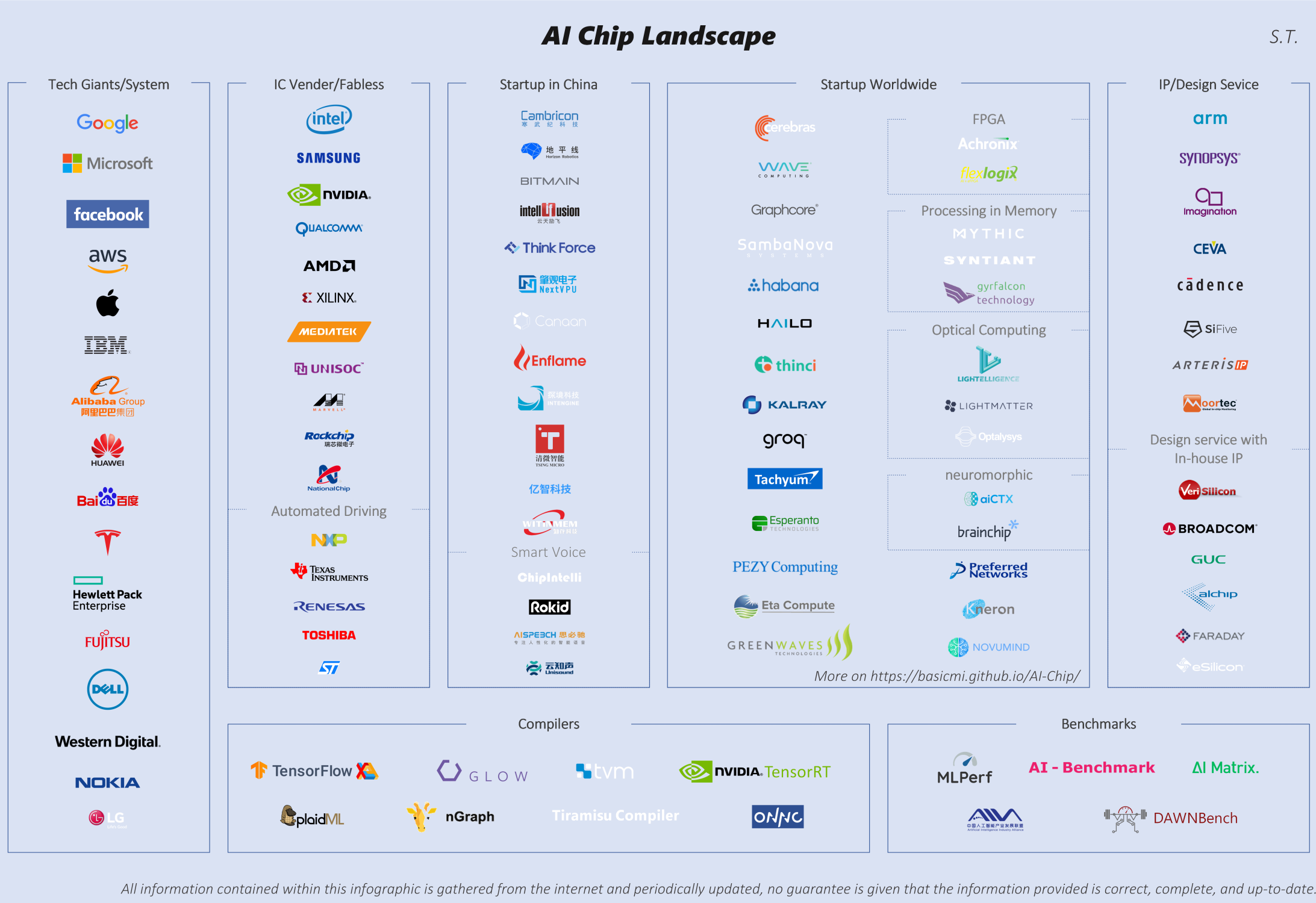
That is the same logic that has driven interest in alternatives to general purpose accelerators from companies like Groq, Cerebras, and SambaNova. Some of those names have stumbled. Some have found customers. But the pattern is clear. Investors will keep funding hardware if the product promise maps to a painful line item on a cloud bill.
“Hardware wins when it saves real money, not when it sounds clever.” That is the standard Etched now has to meet.
How the AI chip startup pitch works
Etched’s appeal is focus. Rather than building a chip that tries to serve every model type, it is betting on a narrower architecture for transformer inference. That is a sharp move. It is also risky. Specialization can be a strength, like a baseball pitcher with one elite pitch, but only if that pitch keeps fooling hitters.
Here is the thing. Narrow chips can look brilliant on slides and brutal in production. They need software support, stable demand, and enough performance headroom to justify switching away from Nvidia’s mature stack. Without that, the chip becomes an expensive science project.
What customers will test first
- Latency on real workloads.
- Power draw under sustained load.
- Ease of deployment in existing data centers.
- Tooling and compatibility with current AI pipelines.
And that is before procurement gets involved. Buyers do not care about valuation. They care about uptime, integration, and whether a new system cuts total cost enough to justify risk.
Why the $10.3B valuation is a seismic signal
A valuation this high does two things at once. It gives Etched room to hire, build, and ship. It also raises the bar to punishing levels. Once a startup is priced like a category leader, every technical delay looks larger and every design miss looks like a flaw in the thesis itself.
That pressure is not new in semiconductors. Chip companies live and die on timing. A two-year delay can erase the value of a clever architecture if the market shifts or the incumbent responds. And incumbents do respond.
Will customers adopt a new accelerator fast enough to justify that valuation? That is the crux.
What to watch next from the AI chip market
Track three things. First, whether Etched can show real deployments, not just benchmark claims. Second, whether it can attract customers outside of pilot programs. Third, whether the company can sustain investor enthusiasm if the broader AI funding cycle cools.
The market for AI infrastructure now resembles a construction site with too many cranes and too little finished steel. The money keeps moving, but the winners will be the teams that turn theory into shipped hardware, then into repeatable revenue.
If Etched can do that, this valuation may look early instead of inflated. If not, it will become another expensive reminder that chips do not live on hype. They live on throughput, software, and customers who keep renewing the contract.
What this means for the next funding wave
Big rounds like this tend to pull attention toward other chip startups with similar claims. That means investors will ask harder questions about memory access, inference efficiency, software stacks, and whether a startup has a real wedge or just a polished deck.
For founders, the message is blunt. The market still likes hardware, but patience is thin. For buyers, the opportunity is better pricing if competition heats up. For everyone else, the next few quarters will show whether Etched is building the rare custom chip story that survives contact with the data center.