Europe Heat Dome 2026: What to Expect and How to Prepare
A Europe heat dome can turn a normal summer week into a strained, expensive, and dangerous one. It pushes temperatures up fast, traps hot air over wide areas, and leaves cities, homes, and transit systems struggling to keep up. If you live in a place that usually gets a few hot days, that is no longer a safe assumption. Heat events now arrive earlier, last longer, and hit harder.
The problem is not just comfort. It is health, power demand, crop stress, and brittle infrastructure all at once. And if you think your building or your city will handle it the same way it did five years ago, that is a risky bet. Why wait for the first brutal afternoon to find out what fails?
What stands out about the Europe heat dome
- Heat builds quickly, so people often underestimate the first 48 hours.
- Nighttime temperatures matter because bodies need recovery time.
- Older adults, infants, and outdoor workers face the highest risk.
- Power grids and transit systems can buckle under sustained demand.
- Preparation beats reaction because once indoor heat sets in, cooling becomes harder and more expensive.
What a Europe heat dome actually does
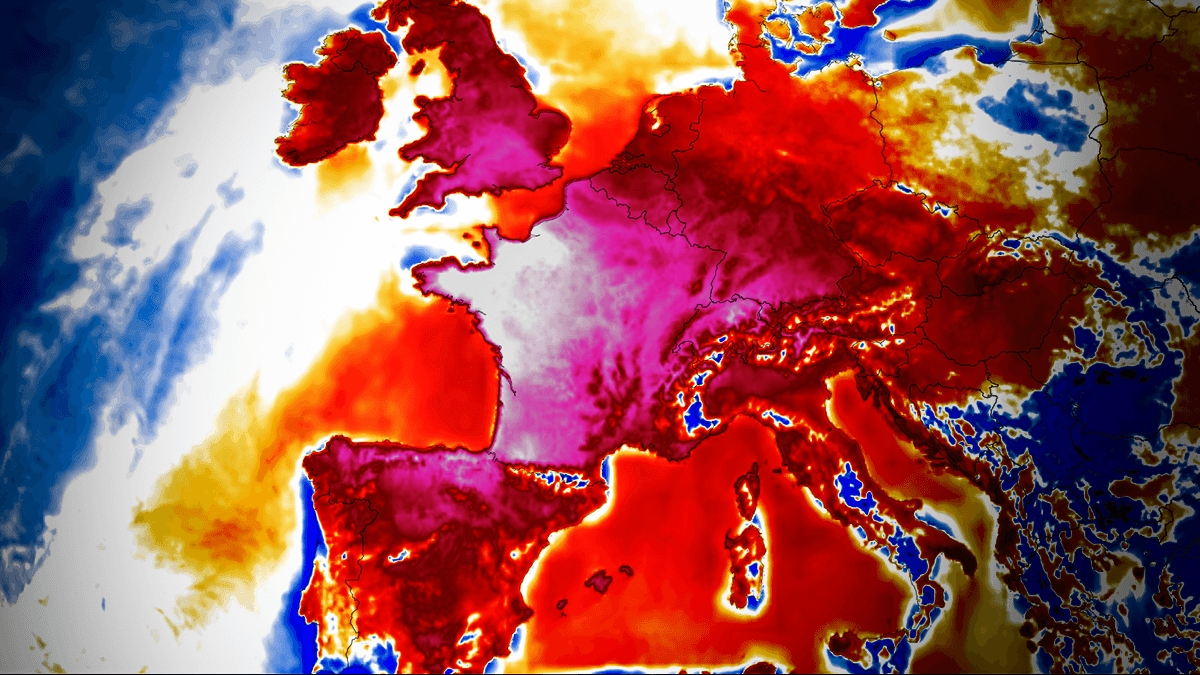
A heat dome forms when persistent high pressure traps warm air in place. The air sinks, warms further, and blocks cooler systems from moving through. Think of it like a lid over a pot. The heat keeps building, and the pressure stays put.
That pattern matters because it changes the risk profile. One hot afternoon is annoying. Several hot days in a row, with little overnight relief, can become a health event. The European Centre for Medium-Range Weather Forecasts and national weather services often track these patterns closely because the danger is in the duration as much as the peak temperature.
The real hazard is persistence. A short spike tests your patience. A multi-day heat dome tests your body, your building, and your city.
Europe heat dome: who gets hit first
Heat does not land evenly. Dense urban neighborhoods usually run hotter than nearby rural areas because concrete and asphalt store warmth. Top-floor apartments and older buildings without external shading can become ovens by late afternoon.
People with heart or lung conditions face more strain, especially if they cannot cool down at night. Outdoor workers, delivery staff, and commuters also take repeated exposure. And yes, children suffer too, because they dehydrate faster and depend on adults to spot the warning signs.
What to watch for
- Dizziness or confusion
- Headache that worsens indoors
- Rapid pulse
- Nausea
- Hot, dry skin or heavy sweating that suddenly stops
That is the sort of list you should know before the temperature climbs, not after. Honestly, this is basic preparedness, not panic.
How to prepare before the heat peaks
Start with your home. Block direct sun on the hottest side of the building with shutters, blinds, or reflective window coverings. Seal gaps in the morning, then open windows only if outside air is cooler than inside air. If you have a fan, place it to move air across the room, not just in circles.
Stock cold water, ready-to-eat food, and any medication that should not run low during a heat spell. Check on neighbors, especially anyone who lives alone. A simple call can matter more than a thermometer.
- Make a cooling room, preferably the shadiest room in the home.
- Charge phones and backup batteries before demand peaks.
- Identify the nearest public cooling space, library, mall, or transit hub.
- Adjust exercise, errands, and outdoor work to early morning hours.
- Set a check-in plan with family or neighbors.
Look, heat planning works like a kitchen shift before dinner service. If you wait until orders are piling up, you are already behind. Prep early, and the rush feels manageable.
What cities and employers should do during a Europe heat dome
Cities need more than broad advice posters. They need shaded stops, extended water access, and transit schedules that account for heat stress on rails and pavement. Public agencies should also communicate with plain language and clear timing. People should know when the hottest hours start, how long they last, and where cooling spaces are open.
Employers have a direct role too. Shift heavy labor earlier, add breaks, and make water easy to reach. For indoor jobs, check HVAC performance before the heat wave starts. A failed cooling system in a full office can become a safety issue by midday.
Insurance and health systems also feel the strain. Emergency departments see more dehydration, fainting, and heat exhaustion during prolonged hot spells. That is one reason authorities keep warning that heat is a public health issue, not a weather footnote.
Why this keeps happening
Warmer average temperatures make extreme heat more likely and more intense. The Intergovernmental Panel on Climate Change has said with high confidence that human-caused warming has increased the frequency and severity of heat extremes in many regions. Europe has been hit especially hard because some cities were built for a much cooler climate.
That does not mean every heat dome is identical. It does mean the baseline has shifted. The same forecast number can do more damage now than it did a generation ago. And that changes planning, insurance, construction, and public health in a very direct way.
What you should do next
Do not wait for a red alert to act. Check your home’s hottest room today. Find your nearest cooling option. Save emergency contacts. Then ask one question that matters: if temperatures stay high for three straight days, what breaks first in your routine?
Once you can answer that, you are ahead of the next Europe heat dome. If not, fix it now, while the air is still bearable.