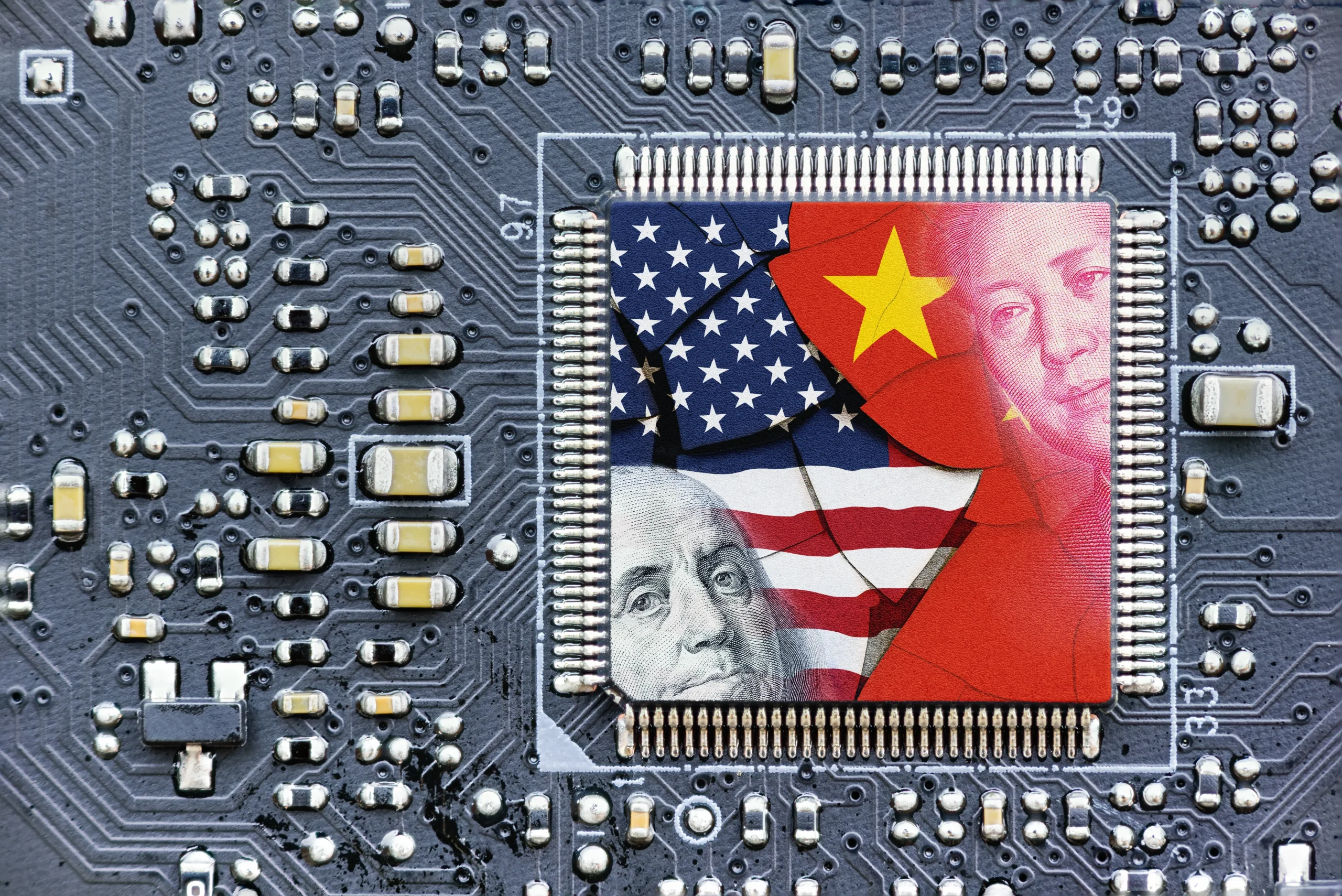
Europe Pushes Back on Washington’s Chip War
Europe is getting squeezed between U.S. export controls and China’s demand for advanced chips, and that pressure is forcing a harder response. The chip war is no longer just a Washington vs. Beijing story. It now runs through Brussels, Berlin, and the boardrooms of companies that need Nvidia-class hardware, manufacturing tools, and clean supply lines.
Why does this matter to you? Because chip rules shape more than geopolitics. They affect AI training costs, cloud capacity, factory planning, and which companies can buy what, where, and when. Europe does not want to become a passive lane in someone else’s trade fight. It wants room to protect its own industry, keep exports moving, and avoid getting hit by policy made half a world away.
And that is where things get messy.
What Europe’s response to the chip war changes
- Europe wants policy control, not just compliance with U.S. export limits.
- Semiconductor supply chains get more fragile when rules change by region.
- AI firms face more uncertainty over access to top-end chips and cloud infrastructure.
- European manufacturers care about equipment, not headlines, and they want stable trade routes.
- The chip war is now a test of whether allies can coordinate without tripping over each other.
Why Europe is pushing back now
Brussels has seen enough to know that broad U.S. restrictions can spill far beyond their target. If Washington tightens controls on advanced GPUs, chipmaking tools, or servicing rules, European firms can get caught in the middle even when they are not the intended audience.
That creates a simple problem. Europe wants to support security goals, but it also wants its own companies to sell, build, and compete. A policy meant to slow China can end up slowing ASML, Infineon, or cloud providers in Europe. Who wants that?
This is where the politics stop being abstract. The EU has spent years trying to strengthen its semiconductor base through the European Chips Act, and that effort makes little sense if foreign controls can undercut it overnight. Think of it like building a factory with one set of blueprints, then having a neighbor change the rules on where the doors can go.
Europe is not rejecting chip controls outright. It is rejecting the idea that Washington gets to write the rules alone.
How the chip war hits business decisions
For companies, the immediate issue is uncertainty. Procurement teams hate that. So do CFOs.
When chip rules tighten, firms have to rethink inventory, supplier contracts, and product road maps. A startup training models on rented GPUs may not care about export policy in the morning, then discover by afternoon that access, price, or lead time has changed. That is not a theoretical risk. It is an operational headache.
European hardware makers face a different squeeze. Some sell into markets that Washington wants to restrict. Others depend on U.S. components, software, or equipment approvals. If the policy map keeps shifting, they may have to choose between growth and compliance. That is a rough tradeoff in any industry, and semiconductor manufacturing is unforgiving.
What to watch inside the supply chain
- Advanced AI chips, especially high-demand accelerators used for model training.
- Chipmaking tools, where European firms have real global leverage.
- Licensing and servicing rules, which can matter as much as the hardware itself.
- Secondary markets, where restricted chips often find their way through murky channels.
Look, the supply chain is like a restaurant kitchen on a Saturday night. If one station loses a core ingredient, the whole menu gets slower. And in semiconductors, slower can mean lost revenue, missed contracts, or a delayed product launch.
What this means for the U.S. and Europe relationship
The alliance is still intact. But it is getting more transactional. Europe wants security cooperation, yes. It also wants a say when U.S. rules hit European industry.
That tension is not new, but the chip war makes it louder. Washington tends to think in terms of strategic denial. Brussels tends to think in terms of market access, industrial policy, and legal proportionality. Those instincts do not always line up.
One useful way to read the pushback is as a demand for consultation. Europe is signaling that it will not treat chip policy as a one-way street. If the U.S. wants allied support, it may need allied input. That is the bargain.
How businesses should respond to the chip war
If you run a company exposed to AI hardware, advanced manufacturing, or cross-border tech trade, do not wait for a tidy policy statement. Map your supplier risk now. Identify which products depend on U.S. export licenses, which depend on Chinese demand, and which sit in the middle.
Then build options.
- Ask vendors where components are sourced and which jurisdictions apply.
- Check whether your cloud or hardware contracts include export-control clauses.
- Stress-test your roadmap against longer lead times and price jumps.
- Keep one eye on Brussels, not just Washington.
The real issue is control. Not just over chips, but over the rules that decide who gets them.
What happens next in the chip war
Europe is unlikely to break with the U.S. over semiconductors. But it will keep pushing back when policy starts to look unilateral. Expect more bargaining, more carve-outs, and more pressure on both sides to align their rules before the next round of restrictions lands.
If that sounds tedious, it is. Yet this is where the real power sits, in the fine print, the licenses, and the access lists. The next big move in the chip war may not be a headline-grabber. It may be a quiet change in export guidance that decides which companies can actually ship, build, or train at scale. And the question now is simple: who gets to write that guidance?