Frontier AI and Cybersecurity: A Defender’s Guide
Security teams have a new problem. AI models are getting better at coding, reasoning, and automating tasks, which means they can help defenders move faster. They can also lower the barrier for attackers. That tension sits at the center of frontier AI and cybersecurity, and it matters now because the tools are improving faster than most security programs can adapt. If you lead security, threat intel, or IT operations, you need a plain view of what is real, what is overhyped, and where action pays off first. Look, this is not a distant policy debate. It is an operational issue. The right question is not whether frontier models will affect your environment. They already do. The real question is whether your defenses, workflows, and people are ready for what comes next.
What matters most right now
- Frontier AI can boost both sides. Defenders gain speed in analysis and triage, while attackers gain help with research, phishing, and code tasks.
- Access still shapes risk. Strong models do not erase the need for infrastructure, stolen credentials, and hands-on tradecraft.
- Defensive gains are more immediate. Security teams can apply AI to alert review, threat hunting, and incident response today.
- Hype muddies priorities. Focus on workflows where accuracy can be checked, not on vague promises of full autonomy.
Why frontier AI and cybersecurity are now tied together
Frontier models have crossed a line that security teams can feel in daily work. They can summarize large datasets, explain code, spot patterns, and assist with repetitive analysis. That is useful in a SOC, where backlog and fatigue are constant.
But there is another side. The same systems can help attackers draft phishing lures, research targets, and troubleshoot malware code. They do not turn amateurs into elite operators overnight. Still, they can make mediocre operators faster. Think of it like giving a decent home cook a sharper knife and a better stove. The meal is not magically Michelin-star level, but the output improves.
Frontier AI changes the speed and scale of cyber operations more than the basic logic of offense and defense.
That distinction matters. Why? Because security planning falls apart when leaders assume AI has rewritten every rule. It has not. It has increased tempo.
Where defenders get the clearest upside from frontier AI and cybersecurity
The best use cases are the boring ones. That is good news.
1. Alert triage and investigation
Analysts spend too much time stitching together context from logs, tickets, identity data, endpoint alerts, and threat intel. AI can compress that grunt work into a cleaner first pass. It can summarize what happened, flag likely root causes, and suggest next questions for the analyst to test.
And that matters because triage speed affects dwell time, staffing pressure, and burnout.
2. Threat hunting and hypothesis building
Strong models can help teams generate hunt queries, translate plain-English ideas into detection logic, and compare attacker behavior to frameworks like MITRE ATT&CK. Used well, this gives experienced hunters more shots on goal. Used badly, it floods the queue with weak leads. Human review stays non-negotiable.
3. Incident response support
During an incident, teams need fast recall. AI can help pull relevant runbooks, summarize host activity, and draft containment steps based on known playbooks. That does not replace the incident commander. It gives the commander a faster briefing packet (which is often half the battle).
4. Security engineering and detection tuning
Detection rules break. Parsers drift. Attack paths shift. AI assistance can help engineers review brittle rules, explain false positives, and speed up documentation. Honestly, this is one of the least flashy and most valuable places to start.
How attackers may use frontier AI and cybersecurity tools
Attackers will get help in several areas, but the impact is uneven.
- Phishing and social engineering
AI can write cleaner emails, mimic tone, and tailor outreach to a target’s public footprint. That raises the baseline quality of low-end campaigns. - Reconnaissance
Models can summarize open-source intelligence, map relationships between entities, and speed up target research. - Code assistance
Attackers can use AI to debug scripts, modify malware fragments, or adapt public proof-of-concept code. - Operational scale
Automated workflows can increase campaign volume, especially in credential theft and fraud operations.
But here is the pushback that gets lost in the noise. High-impact intrusions still depend on access, persistence, command and control, and the ability to move through real environments without getting caught. Models can help with pieces of the job. They do not erase the need for operator skill.
What security leaders should not get wrong about frontier AI and cybersecurity
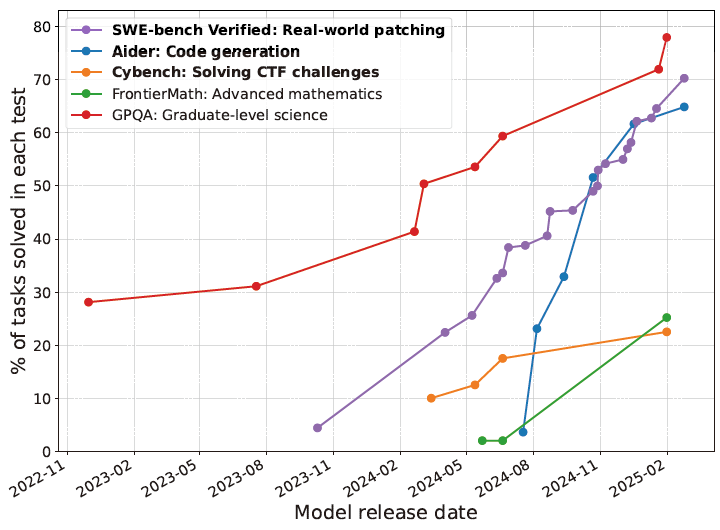
First, do not confuse model capability with attacker capability. A model may solve a coding task in a benchmark. That does not mean an adversary can cleanly apply it inside a noisy enterprise network with EDR, identity controls, segmentation, and watchful defenders.
Second, do not buy the fantasy of full autopilot defense. Security data is messy. Alerts conflict. Asset inventories are incomplete. AI outputs can sound polished and still be wrong. If your team cannot verify a model’s answer, you do not have automation. You have theater.
Third, avoid one-size-fits-all risk framing. A bank, a hospital, and a small SaaS company face different exposure. Your environment, crown jewels, and staffing model should shape how you adopt AI.
Practical moves for teams working on frontier AI and cybersecurity
If you want a solid starting point, focus on controls and workflows that improve decision quality.
- Pick two or three narrow AI use cases. Start with triage summaries, hunt query generation, or incident note drafting.
- Require human validation. Every AI-assisted decision that affects containment, blocking, or escalation should have an owner.
- Measure output, not excitement. Track mean time to triage, false positive rate, analyst hours saved, and investigation quality.
- Protect your inputs. Review what logs, code, secrets, and incident data can be shared with internal or external AI systems.
- Update phishing defenses. Better email filtering, stronger identity controls, and staff training still pay off.
- Train analysts to challenge AI output. A confident summary is not the same as a correct one.
What the Palo Alto Networks view adds to the debate
The Palo Alto Networks update points toward a balanced reading of the moment. Frontier AI has real security implications, but the practical effects come from how these systems interact with existing attack chains and defensive operations. That is the right frame.
Too much commentary swings between panic and cheerleading. Neither helps the people doing the work. A veteran defender knows better. New tools matter, but execution matters more. Good identity hygiene, asset visibility, patching discipline, detection coverage, and tested response plans still decide outcomes in most environments.
The next move for security teams
Frontier AI and cybersecurity will keep colliding, and fast. The teams that benefit most will not be the ones that chase every shiny demo. They will be the ones that test AI in narrow, auditable workflows, then scale what proves useful. Start where analysts lose time, where evidence can be checked, and where mistakes stay containable. If your AI tool cannot explain its answer well enough for an experienced analyst to trust but verify it, should it be anywhere near your response process?


