Garry Tan Pushes Open-Weight AI Labs to Use Distillation
You can feel the pressure building around open-weight AI labs. Frontier models cost huge sums to train, closed labs keep their best systems behind APIs, and smaller teams are left trying to compete without the same compute budget. That is why Y Combinator CEO Garry Tan’s argument, reported by TechCrunch, matters now. Tan wants U.S. open-weight AI labs to be able to distill frontier models too. In plain English, he is saying smaller American AI companies should get a path to learn from the strongest models, then release more accessible systems. It is a sharp position because model distillation sits in a gray zone. Is it fair competition, smart industrial policy, or a shortcut that drains value from frontier labs? The answer depends on how it is done, who gets access, and what guardrails come with it.
What Stands Out
- Garry Tan’s core point is competitive. He wants U.S. open-weight AI labs to stay in the race against closed AI giants and foreign rivals.
- Distillation can lower costs. Smaller models can copy parts of a larger model’s behavior without repeating the full training run.
- The legal and ethical line is messy. Training on outputs from a frontier model may violate terms of service, depending on the provider.
- Open weights are not the same as open source. Model weights may be public, while training data, code, and full methods stay private.
- This is now a policy fight. The debate touches U.S. competitiveness, safety testing, copyright, and who controls access to advanced AI.
Why Open-Weight AI Labs Care About Distillation
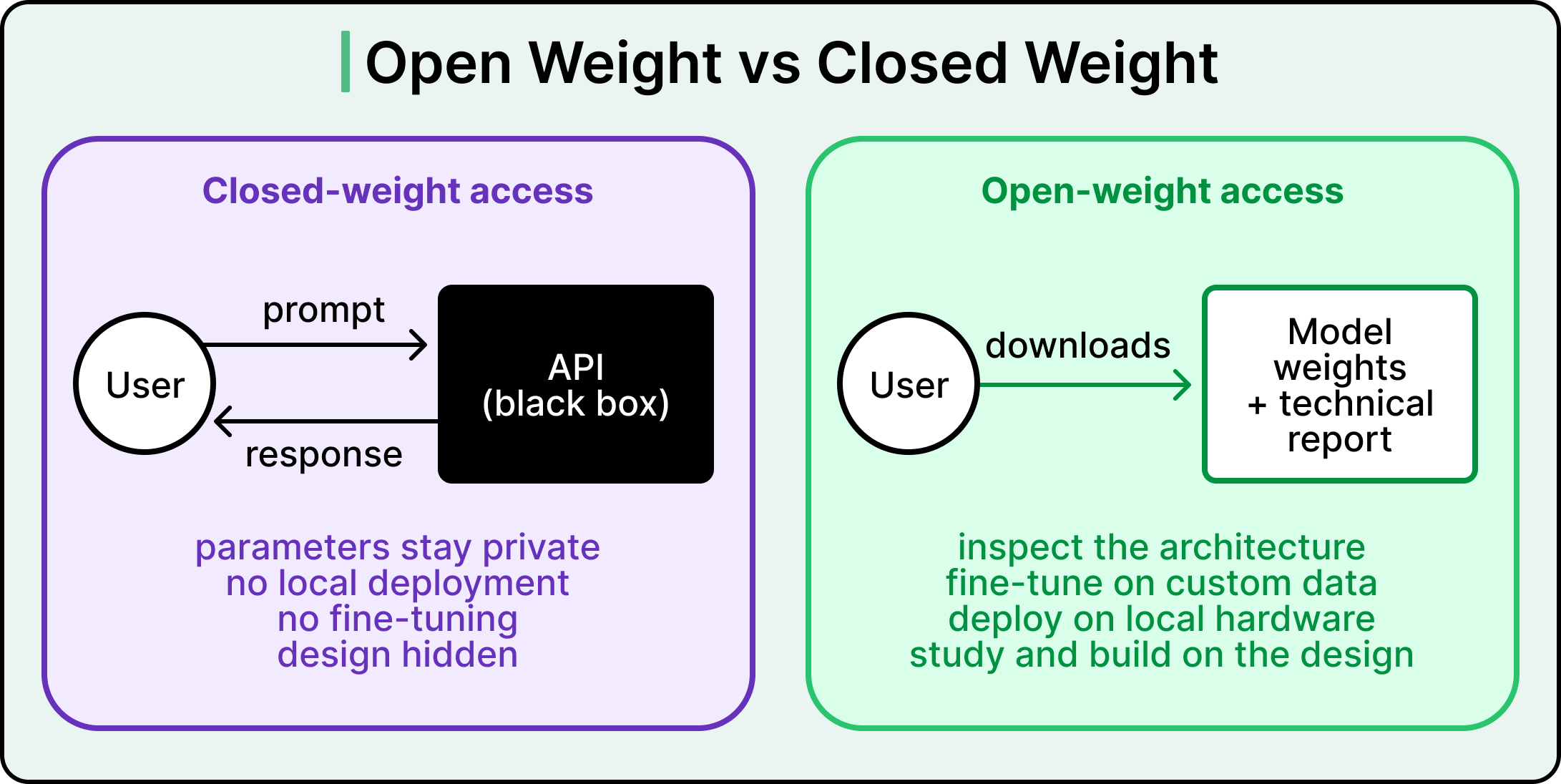
Open-weight AI labs release model parameters that developers can download, inspect, fine-tune, and run on their own infrastructure. That gives startups, researchers, and companies more control than an API-only model. It also spreads capability faster.
But training a top-tier model from scratch is brutally expensive. The bill includes chips, data, engineering talent, evaluation work, energy, and months of trial and error. The largest labs can spend hundreds of millions of dollars on a single generation of models, while a young startup might be counting cloud credits like a small restaurant counts produce before a dinner rush.
Distillation changes the math. A smaller model can be trained to mimic the outputs of a larger one, often becoming cheaper and faster while retaining useful behavior. This does not create magic. The student model usually loses some depth. But for many real products, a smaller model that is good enough and cheap to run beats a giant model that strains the budget.
Tan’s argument, as covered by TechCrunch, is less about charity for startups and more about AI market structure. If only a few closed labs can train frontier models, everyone else becomes a tenant in their platform economy.
Open-Weight AI Labs and the Frontier Model Bottleneck
The AI industry has a bottleneck problem. Frontier labs such as OpenAI, Anthropic, Google DeepMind, Meta, and xAI control the best-known models, the biggest clusters, and much of the talent pool. Some of those companies publish weights for certain systems. Others sell access only through APIs.
That split matters. API models give the provider more control over usage, pricing, monitoring, and safety filters. Open-weight models give users more freedom, including offline deployment and custom fine-tuning. For hospitals, defense contractors, banks, and privacy-sensitive companies, that local control is often non-negotiable.
Here’s the thing: open-weight labs still need a way to catch up.
If distillation is blocked, smaller labs must either train from scratch or settle for weaker models. If distillation is allowed without limits, frontier labs may argue that their expensive systems are being used as unpaid teachers. Neither extreme is clean.
What distillation actually does
Model distillation usually means generating examples from a strong model, then training a smaller model on those responses. Developers can use prompts, reasoning traces, preference data, or task-specific outputs. The goal is not to copy every parameter. The goal is to transfer behavior.
Think of it like a basketball prospect studying film of an elite player. The prospect still has to train, build muscle memory, and play real games. But the film compresses years of pattern recognition into something teachable.
In AI, that compression can be seismic. A startup might build a useful coding assistant, customer support agent, or medical summarization model without needing to recreate the full frontier training process. But did the teacher agree to train the student?
The Legal Fight Around AI Distillation
Most major AI services restrict how customers can use model outputs. Some terms bar users from training competing systems on generated content. That is where Tan’s position gets pointed. He is asking, in effect, whether those contractual limits should define the future of American AI competition.
There are at least three layers to the fight:
- Contract law. If a lab’s terms ban training on outputs, a customer who does it anyway may face legal risk.
- Copyright and data rights. If model outputs contain protected material or derived patterns from copyrighted data, the training chain gets harder to defend.
- Competition policy. If dominant model providers block downstream training, regulators may ask whether they are protecting investment or walling off the market.
Honestly, the industry has been ducking this conversation. It likes to celebrate open research when it helps recruiting and developer goodwill. Then it reaches for restrictive contracts when model access becomes a competitive weapon.
Why Garry Tan’s Open-Weight AI Labs Argument Has Teeth
Tan runs Y Combinator, which means his interest is not abstract. YC backs startups that need cheap, capable AI infrastructure. If those companies must pay closed model providers forever, their margins shrink and their product roadmaps depend on someone else’s API terms.
That is bad for founders. It may also be bad for customers.
Open-weight systems can create price pressure. They can let companies run models in private clouds, on-prem servers, or edge devices. They also let researchers test behavior in ways that closed systems often block. If you care about auditability, open weights matter.
But Tan’s stance also needs a safety answer. Open-weight releases can be copied widely. Once a powerful model is public, recall is nearly impossible. That makes safety testing, model cards, red-team results, and release staging more than paperwork. They are part of the deal.
What a workable policy could look like
A sane middle path would avoid blanket bans and free-for-all copying. The U.S. could support open-weight AI labs while setting clearer rules for distillation from frontier models.
- Allow licensed distillation programs for vetted U.S. labs, startups, and universities.
- Require disclosure when a model was trained using outputs from another advanced model.
- Create standardized safety evaluations for distilled models above certain capability thresholds.
- Protect API providers from hidden bulk extraction that violates clear access terms.
- Fund public compute and high-quality datasets so open-weight teams are less dependent on closed labs.
This would not satisfy everyone. Frontier labs would still worry about losing their edge. Open-weight advocates would say licenses can become gatekeeping. But a rulebook beats the current fog.
Open Weights Do Not Solve Everything
Some open-weight boosters talk as if publishing weights automatically makes AI democratic. I do not buy it. A model can be downloadable and still be hard to run, hard to inspect, and trained on data nobody can verify.
Open weights are useful, but they are only one part of openness. Real transparency also includes training data summaries, evaluation methods, safety limitations, energy use, and fine-tuning recipes. Without that, developers get a black box they can host themselves.
Closed labs have their own weak spot. They ask users to trust internal testing, shifting policies, and opaque model updates. If an API model changes behavior overnight, customers may get no meaningful explanation. Anyone who has built on top of a changing platform knows the feeling.
The best AI ecosystem will not be all closed or all open. It will need strong frontier labs, serious open-weight competitors, and rules that do not confuse market protection with safety.
The Stakes for U.S. AI Competition
Tan’s argument lands during a wider fight over U.S. AI leadership. Washington is already weighing export controls, chip access, model safety rules, and national security risk. Open-weight AI labs sit awkwardly inside that debate.
On one hand, open releases can help foreign actors. On the other, restricting American open-weight labs too heavily could push talent and adoption elsewhere. France’s Mistral, Meta’s Llama releases, and China’s open model ecosystem have already shown that the field will not wait for U.S. consensus.
For startups, the practical question is simple: can you build with enough independence to survive platform shifts? If your product depends entirely on one closed frontier model, you may be renting your moat. If you use open-weight models, fine-tuning, and multiple providers, you have more room to maneuver.
What Founders Should Do Now
If you are building AI products, do not treat this as inside baseball. The outcome will affect your costs, your legal exposure, and your technical options.
- Read model terms before training on outputs. Do not assume generated text is free training material.
- Track model provenance. Keep records of datasets, synthetic data sources, prompts, and licenses.
- Test open-weight alternatives early. Even if a closed model performs better now, you need pricing and fallback options.
- Separate your product value from the base model. Workflows, data integration, user experience, and domain expertise are harder to copy.
- Watch policy signals. Distillation rules could change faster than model architectures.
Look, the open-weight camp is right about one thing. A market where five labs rent intelligence to everyone else is fragile. The distillation debate is really about whether the next wave of AI companies gets to own part of its stack, or whether it spends the next decade asking permission through an API key.
The Next Fight Is Access
Garry Tan’s push for open-weight AI labs to distill frontier models will irritate the companies paying for the biggest training runs. That tension is healthy. The industry needs a harder conversation about fair use of model outputs, public compute, safety testing, and competition.
The practical next step is clear: policymakers and model providers should define licensed, transparent distillation paths before the market settles into lawsuits and private deals. If open-weight labs are going to carry part of America’s AI future, they need rules they can build around, not vague threats after the fact.