Gemini Business Calls: Google’s AI Phone Agent Explained
Your next call to a local business may not involve a person on your end at all. Google’s Gemini business calls feature, reported by The Verge, points to a familiar problem: people hate phoning businesses for basic details, and businesses hate answering the same questions all day. Google thinks AI can sit in the middle, ask about prices or availability, and send you the answer without the hold music. That sounds useful, especially if you are trying to book a pet groomer or compare local services during a workday. But it also raises a blunt question for owners: do you want Google’s AI becoming the first voice many customers hear? The feature builds on years of Google Duplex work, now tied more closely to Gemini and Search. The promise is convenience. The tradeoff is control.
What You Need to Know
- Gemini business calls can contact local businesses for routine information, then summarize the response for you.
- The feature follows Google Duplex, the AI calling system Google first showed in 2018.
- Businesses may need clearer opt-out settings if they do not want automated calls.
- The main value is time saved, but accuracy, consent, and customer experience still need scrutiny.
How Gemini Business Calls Work
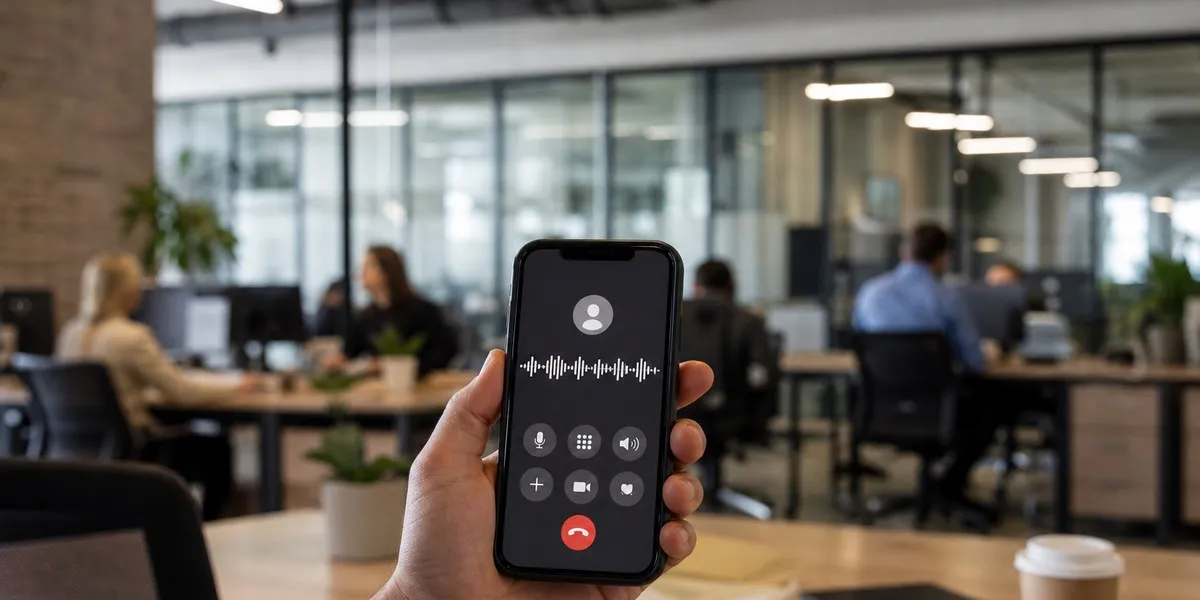
According to The Verge, Google is using Gemini to help users gather information from businesses by phone. Instead of you calling several shops, the system can place calls, ask narrow questions, and return answers in Search.
The likely use cases are basic and repetitive. Think prices, appointment openings, service availability, store policies, or whether a shop can handle a specific request (the kind of call nobody enjoys making twice).
That is the pitch.
Google has been working toward this for years. Duplex showed that an AI voice could call a restaurant or salon and speak in a natural rhythm, though the early demo drew criticism because it sounded too human and raised disclosure concerns.
Google’s best version of this feature is not an AI pretending to be your assistant. It is a clear, labeled phone agent that asks a short question, gets an answer, and gets out of the way.
Why Gemini Business Calls Matter for Customers
If this works well, it removes a small but common friction point. You can ask Google to check a business instead of calling three places during lunch, waiting through voicemail, or giving up after no one answers.
That matters most in local search. Google already shows hours, reviews, menus, photos, and booking links, but many local businesses still keep the real answer in someone’s head. AI calling tries to pull that answer into Search.
Where It Helps Most
- Checking same-day appointment openings
- Comparing prices across local providers
- Asking whether a business offers a specific service
- Confirming inventory before you drive across town
- Getting answers from businesses with poor websites
Honestly, this is the sort of AI feature that makes more sense than another chatbot sidebar. It solves a dull chore. Like a dishwasher in a restaurant kitchen, nobody applauds it when it works, but everyone notices when it breaks.
Gemini Business Calls Put New Pressure on Local Businesses
For business owners, the feature is more complicated. A call from Google’s AI may sound like free customer service support, but it can also interrupt staff and shift more control to Google’s local search system.
Owners should ask a practical question: what happens if the AI misunderstands a price, a cancellation policy, or an exception? A bad summary can cost money, and the customer may blame the business first.
What Businesses Should Do Now
- Update your Google Business Profile. Keep hours, services, booking links, and phone numbers current.
- Write clear service pages. If Google can find answers online, fewer phone calls may be needed.
- Train staff on AI calls. Employees should know how to respond if an automated caller identifies itself.
- Check opt-out controls. If Google offers call preferences, review them rather than leaving the default untouched.
- Track call quality. Ask new customers how they found you and whether Google provided accurate details.
This is not paranoia. Local search has already trained customers to trust Google’s business panels, sometimes more than the business’s own website. AI phone calls could deepen that dependency.
The Trust Problem With Gemini Business Calls
AI phone agents sit in a sensitive space because phone calls feel personal. If a bot sounds human, people may share information they would not type into a search box.
Google has said in past Duplex work that automated calls disclose they are from Google. That disclosure needs to stay plain, early, and hard to miss. A caller that mumbles its identity or hides behind a natural voice will invite backlash.
Accuracy is the other issue. Speech recognition still stumbles with accents, noisy shops, bad cell reception, and industry terms. One wrong detail in a restaurant reservation is annoying. One wrong detail in a medical, legal, or financial setting is a bigger problem, so Google should keep strict limits on where this tool can operate.
Gemini Business Calls and the Bigger AI Strategy
Google is trying to make Search more active. Instead of only returning links, it wants to complete tasks: compare options, summarize web pages, book services, and now make calls.
That shift is seismic for the open web and for small businesses. If Google gathers the answer, summarizes it, and keeps the user inside Search, the business may get fewer site visits and less chance to shape the sale.
But the feature also shows why Google still has an advantage in AI. Chatbots can answer general questions, but Google has Maps, local listings, phone numbers, reviews, and user intent in one place. Gemini business calls are less flashy than a model benchmark, yet they may be more useful to regular people.
What to Watch Next
The best test will be boring: does the AI get the answer right, does it save time, and does it annoy fewer workers than customers calling themselves? If Google clears that bar, this could become a normal part of local search.
Still, Google should give businesses simple controls and users clear labels. Convenience is not a free pass. If you run a local business, check your Google profile this week, because the next customer inquiry may arrive through an AI voice before it reaches a human one.