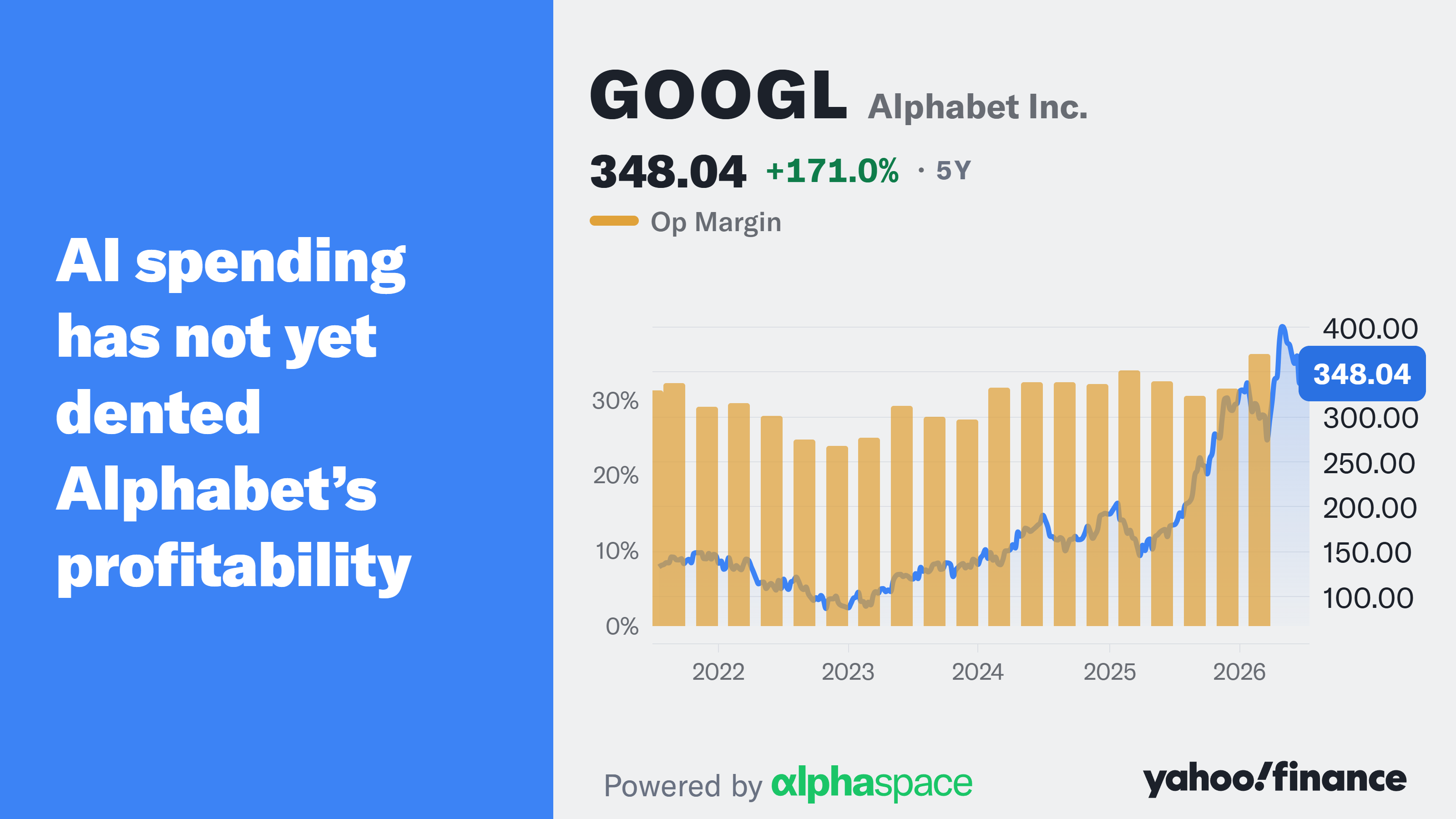
Google AI Spending, Cloud Growth, and the Bet That Keeps Paying
Google has a problem that most companies would love to have. It is spending huge sums on AI infrastructure, and the bill keeps rising. That makes investors nervous. It also makes one thing clear. Google AI spending is no longer a side story. It is tied directly to cloud growth, product strategy, and the company’s fight with Microsoft and Amazon.
Why does this matter now? Because the AI race is turning into a capital race. The winners are not just building models. They are building data centers, chips, networking gear, and cloud sales pipelines that can absorb the cost. Google’s latest cloud momentum gives it a cleaner story than it had a year ago. The company can point to revenue, not just hype. And that changes how the market reads every dollar it pours into AI.
What stands out in Google AI spending
- Cloud revenue gives Google cover. The business is growing fast enough to help justify heavy AI infrastructure bills.
- AI is now a balance-sheet story. Compute, chips, and data centers are the real engine behind product rollouts.
- Google is under pressure to keep pace. Microsoft and Amazon are both spending aggressively, which keeps the bar high.
- Customers want capacity and control. Enterprises are buying cloud services that can support model training and inference at scale.
- The market wants proof, not promises. Revenue growth matters more than demos and launch events.
Why the cloud business matters so much
Google Cloud has become the cleanest argument for why Google can afford this AI push. It gives the company a direct way to monetize infrastructure spending instead of treating it as a pure cost center. That matters because AI is expensive in a way search never was. Search needed servers. AI needs mountains of compute (and the power bills that come with them).
Look at the logic from a customer’s side. If you use Google Cloud for storage, analytics, and model hosting, then Google’s AI tools become easier to adopt. That creates a loop. Spend builds infrastructure. Infrastructure attracts customers. Customers help pay for more spend. It is a lot like building a stadium before the season starts. You pay up front because you expect ticket sales later. Miss the crowd, and the math gets ugly fast.
Google does not need AI spending to look small. It needs that spending to look productive. Cloud growth is what turns the story from reckless to rational.
Google AI spending vs. the competition
Google is not alone in this. Microsoft is feeding capital into Azure and its OpenAI partnership. Amazon keeps spending to defend AWS, which still anchors its business. The difference is tone. Microsoft has framed AI as a product layer. Amazon frames it as cloud utility. Google has to prove it can do both at once.
That is harder than it sounds. If cloud sales lag, the AI bill looks bloated. If cloud sales rise, the same spending looks like a strategic moat. Which version lands with investors depends on execution, not slogans. And that is where Google has more work to do than its rivals would like to admit.
The real test is utilization
Capacity alone does not impress serious buyers. They want to know whether the infrastructure is busy. Are GPUs being used efficiently? Are customers moving workloads onto the platform? Are AI features driving retention, not just demos? Those are the questions that matter.
Google has an edge if it can keep its own products and its cloud stack tightly linked. But the company cannot rely on branding. Enterprise buyers are practical. They compare cost, latency, model access, and reliability. If Google wants AI spending to look justified, it has to win on those terms.
What this means for customers and investors
For customers, the upside is obvious. More spending usually means better access to compute, faster model updates, and broader product support. That can lower friction if you are building on Google Cloud or using Gemini-based tools. But it can also lock you deeper into Google’s ecosystem. Once your workflows depend on its stack, switching gets painful.
For investors, the question is less romantic. Can Google keep funding AI without crushing margins? So far, cloud growth helps soften that concern. But the market is not handing out free passes. It wants evidence that each wave of spending produces more durable revenue than the last one.
The big signal here is discipline. Not restraint. Discipline. Google is spending because it has to, but it now has a business line that can make that spending look sensible instead of speculative.
What to watch next
- Cloud growth rates. If they stay strong, Google gets more room to keep spending.
- Capital expenditure trends. Rising spend on data centers and AI chips will show how committed the company really is.
- Enterprise adoption. New customers and bigger workloads matter more than flashy product launches.
- Profit pressure. If margins slip too far, the market will change its tone fast.
Google’s AI strategy is not a mystery. It is a bet that cloud demand and AI demand will keep feeding each other. Maybe that works. Maybe it becomes the template every big tech company copies. Or maybe the compute bill outruns the cash flow. Which side of that line do you think Google is really on?