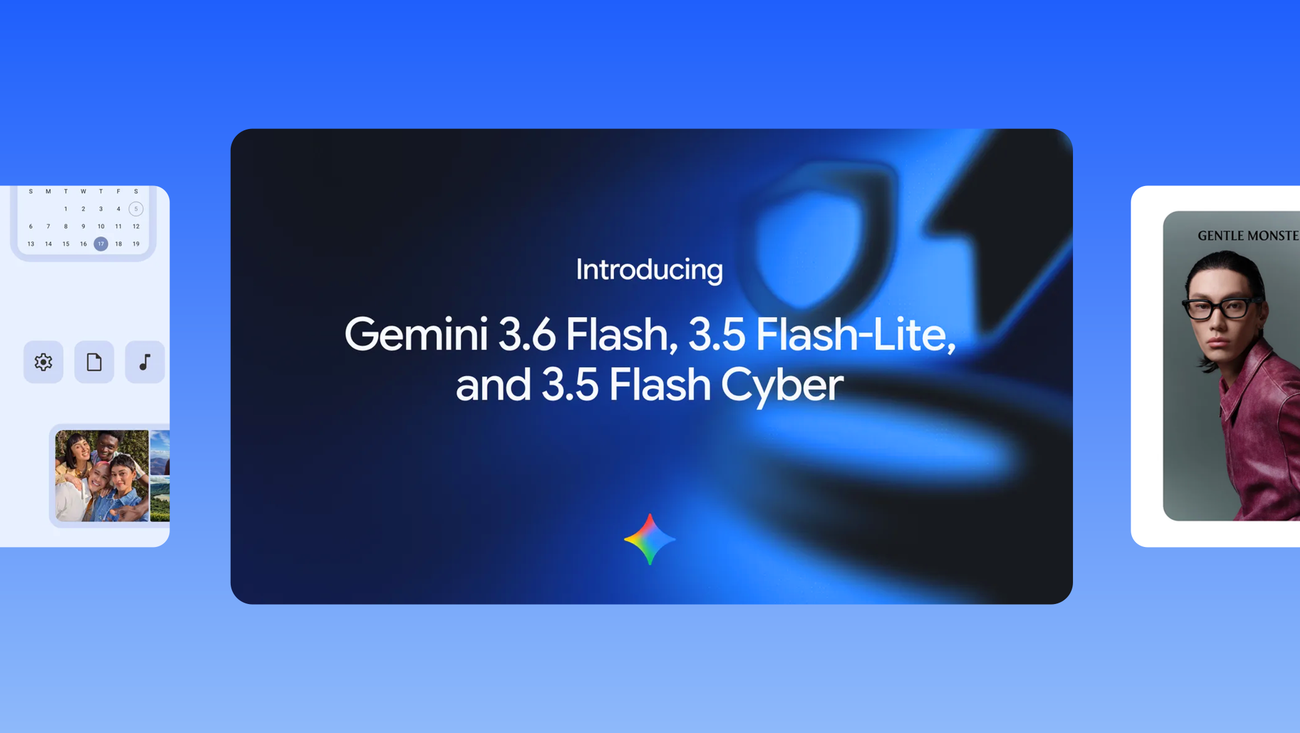
Google AI Updates July 2026: What Changed and Why It Matters
Google AI updates in July 2026 matter because the company keeps folding new model, search, and workspace features into products you may already use every day. That sounds tidy on a blog post. In practice, it changes how you search, write, build, and check facts, often without much warning. If you rely on Google tools for work, the pace now matters as much as the features themselves. Can your team keep up with upgrades that keep landing inside the same apps you opened yesterday? That is the real question. And it is not a small one.
Look, the shift is not about one flashy demo. It is about Google making AI feel native across Search, Gmail, Docs, Android, and developer tools. That creates speed, but it also raises the bar for judgment. You need to know what is real, what is experimental, and where the shortcuts can bite you.
What stands out in Google AI updates July 2026
- AI is becoming the default layer across core Google products, not a separate feature you go looking for.
- Search is getting more conversational, which changes how you verify answers and source material.
- Workspace tools are shifting toward draft-first workflows, so your review process matters more.
- Developers are getting tighter model access through Google’s cloud and app tooling.
- Control and trust remain the hard part, especially for business teams handling sensitive data.
Why Google AI updates July 2026 hit harder than a typical product refresh
Google has done this before. It rolls out new AI functions, then ties them into products with huge distribution. That matters because adoption no longer depends on a separate signup. It depends on whether you already live inside Google’s ecosystem.
This is where the shift gets seismic. A better model is nice, but a better model inside Search or Docs changes daily work in a way a standalone chatbot cannot. It is the difference between buying a tool and renovating the kitchen while you are still cooking.
Google’s biggest AI advantage is not a single model. It is reach. When the same intelligence shows up in search, email, documents, and phones, behavior changes fast.
How Google AI updates July 2026 affect Search and fact-checking
Search is still the front door for a lot of people, and AI summaries change the rhythm of that door. You may get a faster answer, but you also need to inspect the source trail. If you skim and trust the first response, you can miss context, dates, or competing evidence.
Here is the practical move. Treat AI-generated search results like a quick briefing, not a final memo. Open the cited pages, compare dates, and check whether the answer is describing a general rule or a narrow case. That extra minute pays for itself.
And yes, this is tedious. But so is cleaning up bad research after it spreads through a team deck.
What to change in your workflow
- Use AI search summaries to get oriented.
- Click through to primary sources before you act.
- Check whether the answer is current, especially on policy, pricing, or product support.
- Save the source links you trust so you are not redoing the same verification later.
Google AI updates July 2026 in Workspace: speed with strings attached
Workspace is where Google can really press its advantage. Drafting in Docs, summarizing in Gmail, and pulling insights from Sheets all save time when the output is close enough to start from. But close enough is not the same as correct. That difference is where teams get sloppy.
Most people do not need AI to write from scratch. They need it to cut the first 60 percent of the work. That is useful. It is also where errors sneak in, because the first draft often sounds polished even when the facts are thin.
My rule is simple. Let AI make the ugly draft. Then make a human own the final pass.
Where this helps most
- Meeting recap emails
- Project status summaries
- Spreadsheet pattern spotting
- First-pass slide outlines
- Policy or document rewrites in plain language
What developers should watch in Google AI updates July 2026
For developers, the value is less about a headline feature and more about access, tooling, and pricing. Google tends to push AI through Vertex AI, Gemini APIs, Android tools, and cloud integrations. If those links get smoother, developers can move faster. If access stays fragmented, they will keep hedging with other providers.
That is the real contest. Not who has the loudest launch video, but who makes it easiest to ship something stable. A model is like a race car engine. Fine. But without brakes, telemetry, and a pit crew, you do not want it on the track.
Watch for three signals:
- Latency and cost for everyday inference
- Tooling maturity for evaluation, monitoring, and safety checks
- Integration depth with existing Google Cloud and app workflows
Should you trust the automation?
Only where the stakes are low enough. That is the honest answer. Automated drafting, search assistance, and summarization can be solid. Automated decisions on hiring, compliance, finance, or customer disputes need far tighter human review.
Google can improve the interface. It cannot remove accountability from your side of the screen. Who signs off when the model is wrong? That question matters more now, not less.
What to do next
If you use Google products every day, test the new AI features in one narrow workflow before you roll them out everywhere. Pick a task with clear output, like meeting notes or document summaries, then measure time saved and error rate. If the results are messy, keep the tool on a short leash.
Google AI updates July 2026 are not just another release cycle. They are another push to make AI feel invisible. That may be the point. The smart move is to stay visible yourself, especially when the software starts acting faster than your review process can keep up.