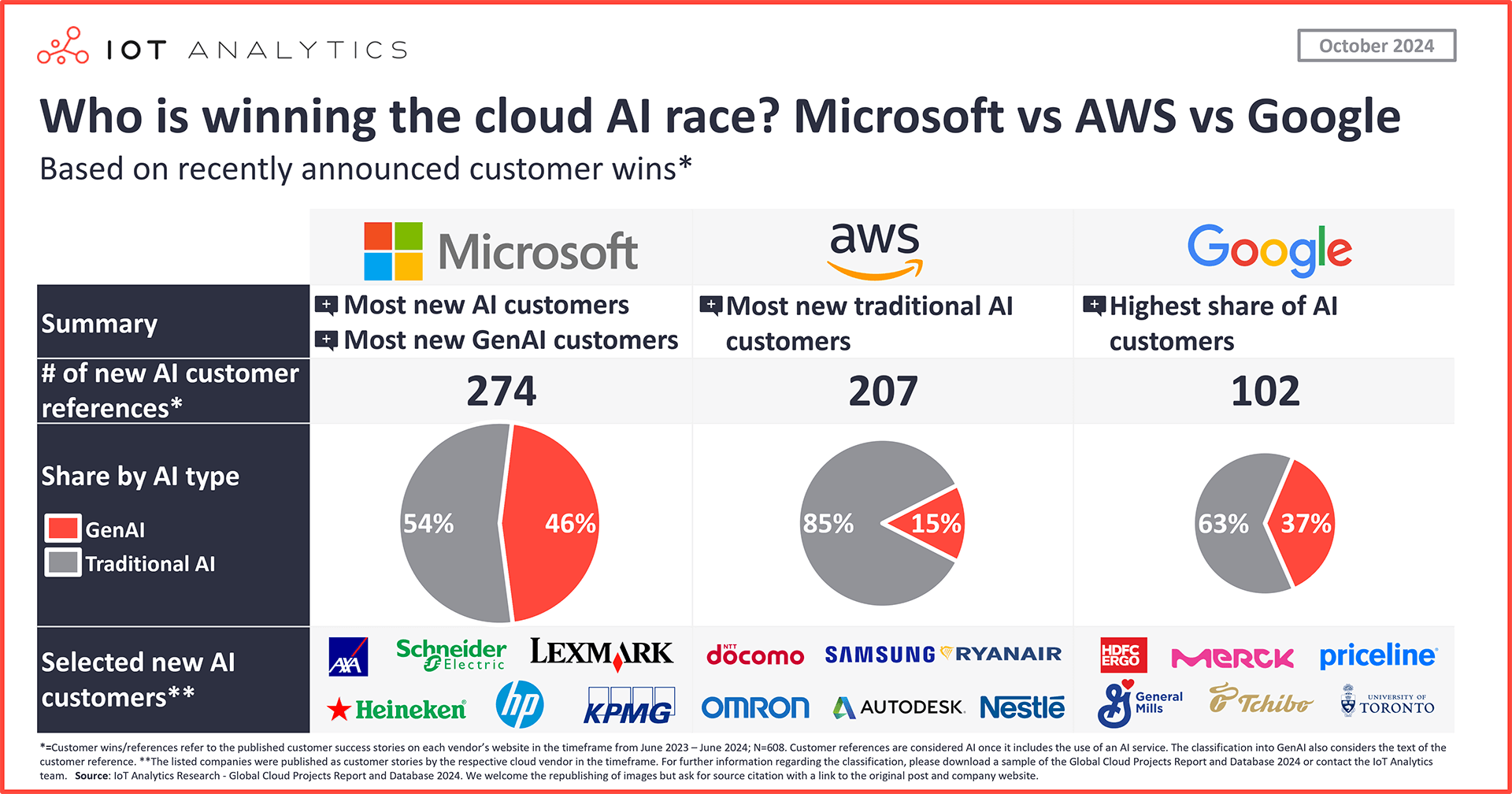
Google DeepMind and the AI Race
Google DeepMind sits at the center of the AI race, and that makes every move matter. If you follow this space, you already know the pressure is not just about shipping a smarter chatbot. It is about product reach, research credibility, and whether Google can turn raw model strength into something people use every day.
That gap is the whole story. Google has talent, compute, and a huge distribution base. But in AI, those assets do not automatically translate into momentum. Why do some teams look faster even when they have less to work with? Because speed, focus, and product discipline can beat scale when the market is moving this quickly.
Look at the situation honestly. DeepMind is still one of the most important labs in the world, yet Google cannot afford to treat that as enough. The company needs wins that users can feel, not just benchmarks that make researchers nod. And the longer the AI race stays crowded, the harder that becomes.
- DeepMind still gives Google elite research muscle.
- Product delivery matters as much as model quality.
- Distribution is a moat, but only if users notice it.
- The AI race rewards clarity, not just scale.
Why Google DeepMind still matters in the AI race
DeepMind is not a side project. It is Google’s research engine, and it has shaped major work in reinforcement learning, protein folding, and large model development. That history matters because it gives Google a depth of technical talent that many rivals cannot match.
But the market does not hand out points for reputation. It cares about what lands in search, Android, Workspace, and the rest of Google’s ecosystem. A research win that never reaches users is like building a stadium with no gates. Impressive from a distance. Useless on game day.
Google’s real challenge is not proving it can build strong AI models. It is proving it can turn those models into products people keep using.
What the AI race has changed for Google
The current AI race is not the old cloud wars with a new label. This round moves faster, rewards tighter product loops, and punishes hesitation. OpenAI, Anthropic, Meta, and others have forced every big platform company to move like a startup with a giant balance sheet.
That changes the operating rules inside Google. Teams cannot rely on long release cycles or broad internal consensus. They need a sharper path from research to product, and they need to ship while the model still feels current. Otherwise, someone else sets the pace.
Three pressure points Google cannot ignore
- User trust. AI products need to be accurate enough for real work, not just demo-friendly.
- Integration. If the model does not improve Search, Gmail, Docs, or Android in a visible way, users will not care.
- Velocity. The company has to move fast without breaking core products people depend on.
That is a nasty balancing act. And it is where big companies often stumble.
Google DeepMind and the product problem
The hard part is not building a model. The hard part is productizing it without turning the experience into a mess. Every AI feature has tradeoffs. More autonomy can mean more mistakes. More safety can mean less utility. More control can mean slower rollout.
So what should Google optimize for? The answer is plain: useful, repeatable tasks. Summaries, drafting, search assistance, coding help, image generation, and workflow automation. These are the places where AI earns its keep. Not in splashy demos that fade after a week.
Google also has to be careful with brand damage. If users run into flaky answers or clumsy integrations, they do not blame the model first. They blame Google. That is the cost of being the default platform.
Where DeepMind can still give Google an edge
DeepMind’s value is not just in raw model quality. It also brings research depth, training know-how, and a culture that still pushes into hard technical territory. That matters when the rest of the market starts to converge on similar product ideas.
Think of it like a championship team with a deep bench. Starters matter, sure. But the bench decides whether you survive the season. DeepMind is that bench and, at times, the coaching staff too.
Google can use that edge in a few specific ways:
- Better multimodal systems that combine text, image, audio, and video.
- Stronger efficiency so it can serve models at scale without absurd costs.
- More grounded answers through tighter retrieval and evaluation.
- Tighter enterprise controls for companies that want AI without chaos.
None of that sounds flashy. That is the point. The most important advantages in AI often look boring until they start winning market share.
What to watch next in Google DeepMind
The next phase is about execution, not mythology. Watch for whether Google makes AI feel native across its products, not bolted on. Watch whether the company can keep quality high while pushing features out faster. And watch whether DeepMind remains a research crown jewel or becomes a quieter part of a larger product machine.
One more thing. The AI race is not going to be won by the company that talks the loudest. It will be won by the company that users trust enough to rely on every day. Google knows that better than most. The question is whether it can act like it.
What happens if the best model is not the winner anymore?


