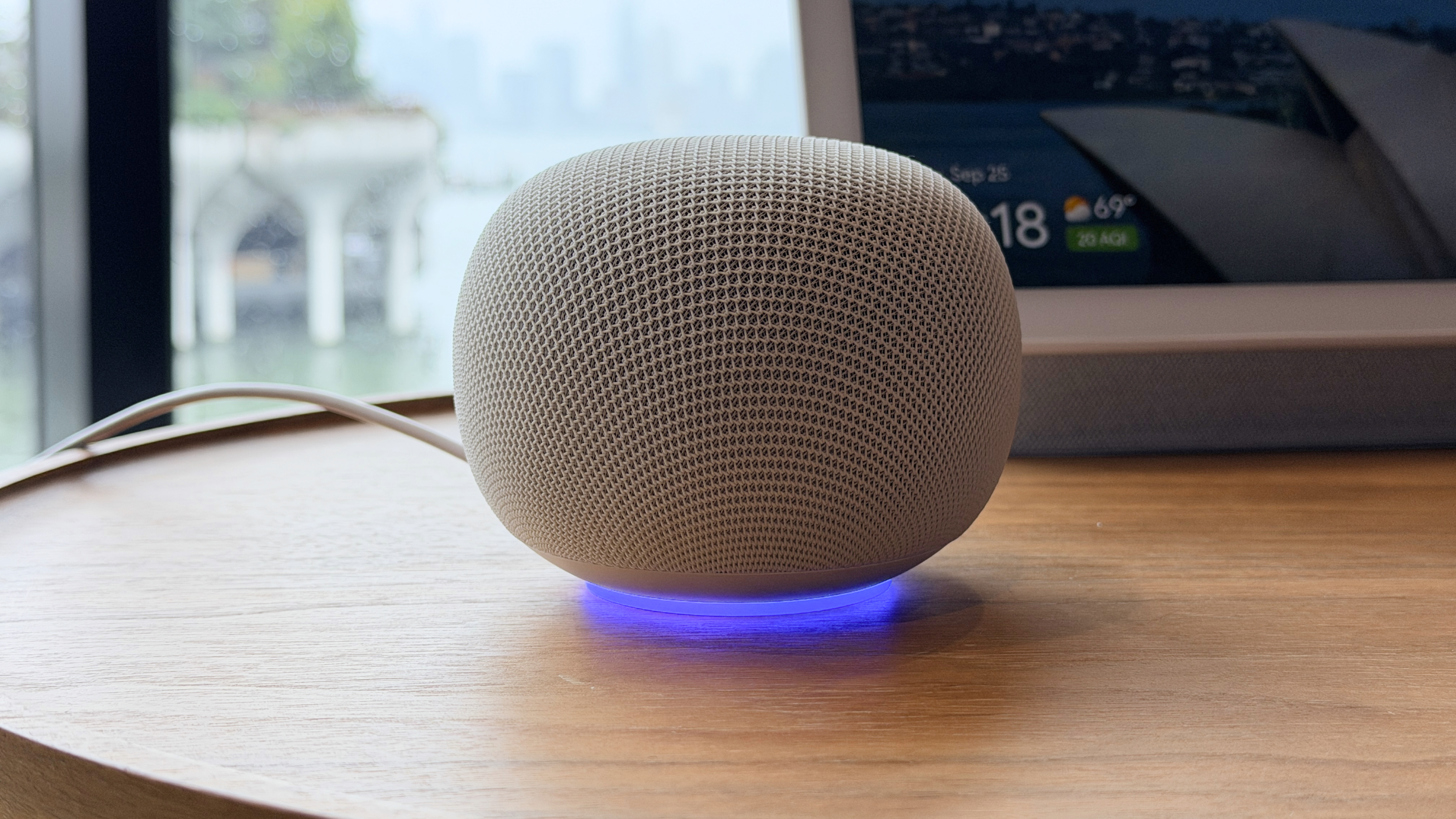
Google Home Speaker With Gemini: Price, Specs, and Release Details
If you have been waiting for a smart speaker that feels less like a voice toy and more like a useful home control hub, the Google Home Speaker with Gemini is aimed squarely at you. Google has spent years talking up smarter assistants, faster responses, and better home automation, yet the actual experience has often lagged behind the pitch. That gap matters now because the smart speaker market has settled down, and buyers are less willing to forgive clumsy software.
The new Google Home Speaker arrives with Gemini built in, which puts a fresh AI layer on top of the company’s home platform. That could mean better conversation, cleaner automation, and fewer dead-end commands. Or it could just be another polished demo that looks stronger on stage than in your kitchen. Here’s the thing. The details around price, timing, and features tell you a lot about where Google thinks the category is headed.
- Gemini is the main hook, not the speaker hardware alone.
- Google is pushing a simpler home setup with tighter voice control and smarter responses.
- Price and launch timing matter because smart speaker buyers compare it with Amazon and Apple, fast.
- The real test is whether Gemini reduces friction in everyday home tasks.
What is the Google Home Speaker with Gemini?
The Google Home Speaker with Gemini is Google’s latest smart speaker built around its AI assistant stack. It is meant to replace the old split between basic voice commands and more advanced AI features. That split has always been awkward. You ask one device to play music, another to control lights, and then a third system to explain why none of it works the same way.
Google wants one device to handle more of that flow. The speaker runs on Gemini, which should let it understand follow-up questions, handle context better, and support more natural commands. Think of it like a kitchen pass in a busy restaurant. The orders still need to be right, but the handoff should be cleaner and faster.
The real sell here is not louder sound or a fancier shell. It is the promise that your speaker will stop acting like a frozen menu of commands.
Google Home Speaker with Gemini price and release window
Pricing is the first thing most buyers will check. Google is positioning the new speaker as a premium smart home device, but it still has to land close enough to the mainstream to matter. If the price climbs too high, buyers will compare it with a Sonos speaker or a Nest Hub bundle and walk away.
The launch window also matters. Smart home upgrades usually happen in bursts, often around holiday shopping or after a platform update. If Google misses that timing, the product risks getting lost in the usual noise. And in this market, noise is expensive.
For now, the important point is simple. You should watch for a launch price that tells you whether Google sees this as mass market hardware or a showcase for Gemini.
Google Home Speaker with Gemini specs that matter
Specs only matter if they affect daily use. Nobody buys a smart speaker because of a chart. You buy it because you want clearer audio, faster replies, and fewer failed requests.
Audio and design
Google is expected to keep the design compact and home-friendly, with an emphasis on living-room placement rather than studio bragging rights. That is the right call. Smart speakers sit in the open, so they need to look neutral, not loud.
Audio quality still matters, especially if Google wants this to double as a music speaker. If the sound is thin, the device becomes a voice remote with a better finish. That is a tough place to compete from.
Gemini integration
This is the seismic part. Gemini should help the speaker do more than follow rigid scripts. Better context handling means you can chain requests, correct yourself mid-sentence, or ask for a more specific result without starting over.
Will it actually work that way in a crowded home, with kids yelling and a TV on? That is the question Google has to answer in the wild, not in a demo room.
Home automation support
Google’s biggest advantage is still its broader home ecosystem. If the new speaker can control lights, thermostats, cameras, and routines with less friction, it becomes genuinely useful. If not, it becomes another nice object with a voice stack attached.
Compatibility with Matter and other smart home standards will matter here. Buyers want fewer brand walls, not more.
What Gemini changes in everyday use
Gemini is supposed to make the speaker feel less brittle. That means fewer dead ends when you speak naturally, better memory across a short exchange, and stronger answers to mixed requests. Instead of saying one command at a time, you may be able to talk the way you already talk.
That sounds small. It is not. The difference between a decent smart speaker and a useful one is often a single extra step. Remove that step, and people actually keep using the device.
Look, the smart home has always been a bit like home renovation. The surface looks fine, then you touch one wall and discover three incompatible systems behind it. Gemini could reduce some of that pain by making the interface less fussy.
Should you wait for the Google Home Speaker with Gemini?
If you already use Google Home devices, waiting makes sense. Google tends to roll out new assistant features unevenly, and the first wave of hardware often gets the best software support. If you are choosing between ecosystems, though, the decision is less about one speaker and more about which company you trust to keep improving it.
- Wait if you want Gemini features first and care about Google Home automation.
- Skip if you mainly want the best speaker for music and do not care about AI chat.
- Compare carefully if you already own Alexa or Apple Home devices and do not want another silo.
Google has a real opening here. But it only turns into a win if the speaker feels faster, smarter, and less annoying in routine use. That is the bar. Not the keynote. Not the teaser. The boring Tuesday morning test.
What to watch next
The next few details will decide whether this product matters. Watch for final pricing, supported smart home standards, and how much of Gemini works on day one versus later updates. Also watch the fine print around subscriptions, because AI features often come with a monthly catch.
Google has a chance to make the smart speaker category feel alive again. If Gemini finally makes voice control feel natural, other companies will have to respond. If not, the next big thing in your living room may still be the thing you already own.


