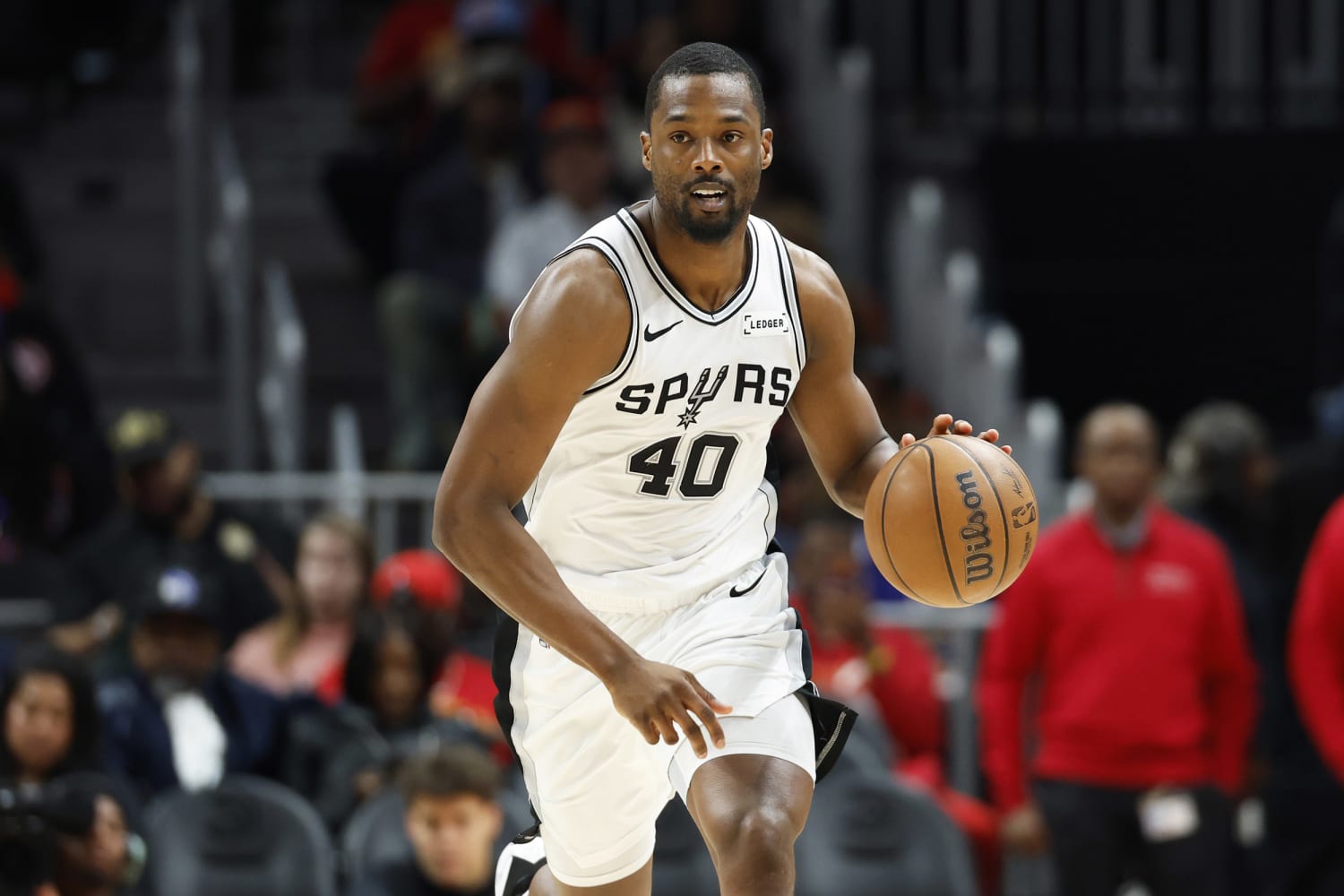
Harrison Barnes Nap Mishap Signals NBA’s Margin for Error
Harrison Barnes missed a Sacramento Kings game because he fell asleep during a pregame nap and never made it to the arena. The team called it a non-COVID illness, but the odd cause matters because reliability is currency in the NBA. Fans who bought tickets, teammates who needed his floor spacing, and coaches trying to stabilize a playoff chase all took a hit. The mainKeyword is front and center because it shows how one small routine can wobble a team’s plans. If a trusted veteran can vanish over a nap, what does that say about how fragile game-day prep can be?
What matters now
- Game availability is the first job for any veteran, and this slip put Sacramento’s depth under a microscope.
- Pregame routines are sacred, but poor sleep habits can ambush even seasoned pros.
- Fans and bettors expect transparency; calling it illness raised eyebrows until the nap detail surfaced.
- This incident will likely tighten team check-in protocols around rest and travel.
One missed alarm can reset a season.
How the Harrison Barnes nap shook the Kings
The Kings listed Barnes as out with an illness before facing Milwaukee. Later, reporting confirmed he had dozed off and never made it to the arena on time. That left Mike Brown scrambling for wing minutes and defensive matchups. It also forced Domantas Sabonis and De’Aaron Fox to carry extra usage, which showed in late-game fatigue. Who trusts a pregame nap after this?
“I don’t think it’s a big deal, but availability is everything,” a former NBA assistant told me over text.
Availability lapses change rotations, scouting plans, and even locker-room trust. Barnes is known as a pro’s pro, so this oddity lands louder than a rookie mistake.
MainKeyword lessons for player routines
Harrison Barnes nap headlines will fade, but the lesson sticks: rest plans need guardrails. Players often nap to offset early shootarounds and late tip-offs. Without alarms, call checks, or staff nudges, that habit can backfire. The Kings likely add redundant alerts and earlier check-ins to avoid another surprise scratch. Teams already track sleep quality with wearables; adding human redundancy is cheap insurance.
Practical fixes teams can adopt
- Set layered alarms on phone and hotel clocks, then have a team staffer confirm wake-up over text and in person.
- Shift pregame nap windows earlier on back-to-back sets to reduce grogginess near call time.
- Use travel staff to stagger check-ins so one late player is obvious immediately.
- Review player-specific sleep patterns and adjust napping to match circadian rhythm science from sports labs.
This is the sports equivalent of missing a flight because you trusted a single reminder on your phone.
Harrison Barnes nap fallout on fan trust
Ticket buyers and viewers care about seeing starters. Labeling the absence as illness without clarity fuels speculation and frustrates bettors. Transparent reporting, without oversharing medical details, can steady confidence. I’d expect the league office to remind teams about honest, timely status updates, especially with betting partners now intertwined with broadcasts.
Where the Kings go from here
Sacramento needs Barnes for spacing and perimeter defense. A one-off nap blip will not define him, but it can sharpen team discipline. If the Kings lock in better pregame checks, they reduce risk in a tight Western Conference race. The stakes are seismic because seed lines swing on a single loss.
Looking ahead
Expect more teams to formalize nap protocols the way airlines use preflight checklists. It sounds mundane, but the NBA season is a marathon of small habits. Miss one, and you gift a win to a rival. That is the real headline after this curious night.